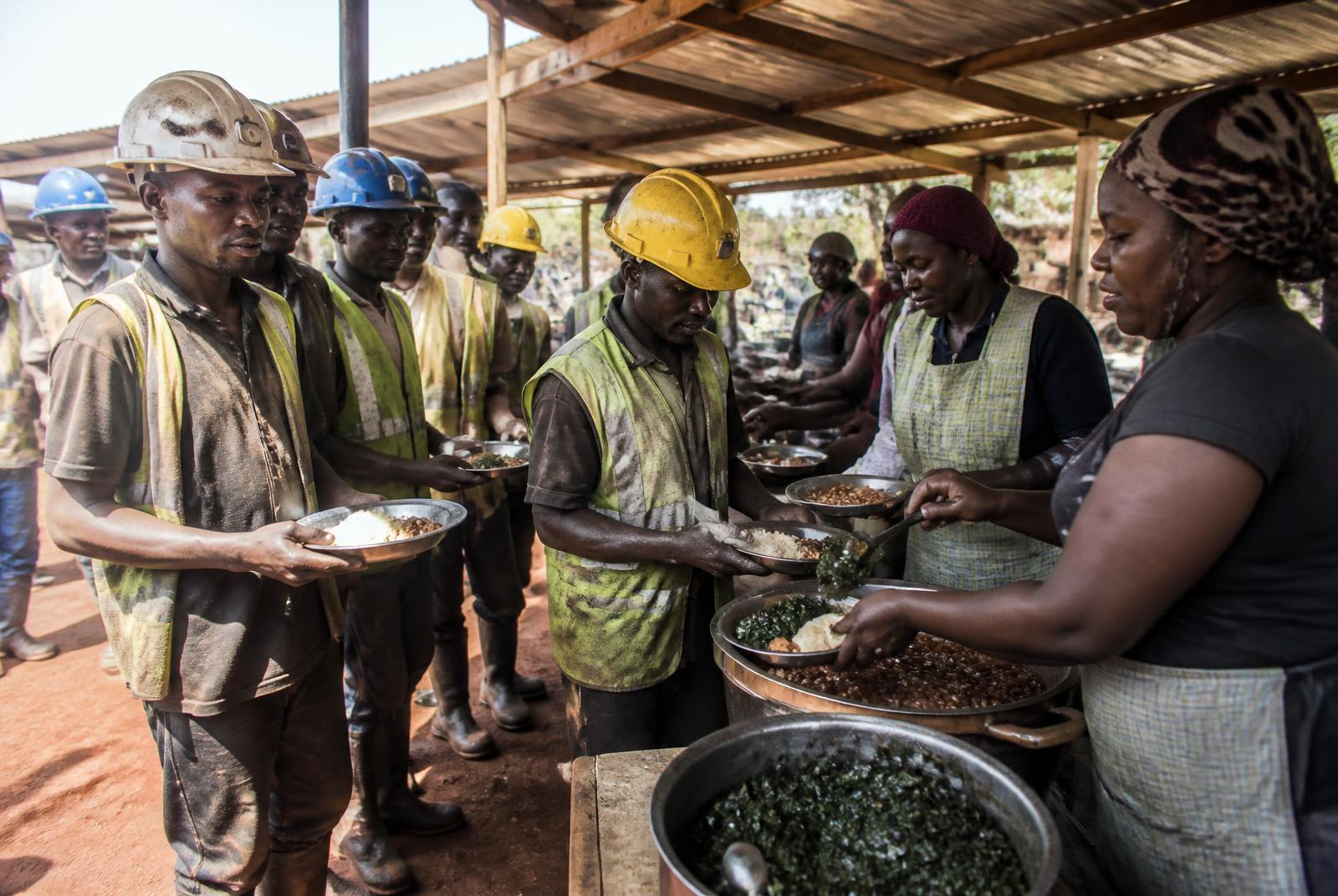
The delivery arrives before the shift does. By seven in the morning, three or four vendors from the trading centre outside Busia town have unloaded baskets of greens, trays of eggs and hands of matooke at the site canteen, and the week's provisions are counted in front of the people who will eat them. It is an unglamorous piece of logistics, and it is the part of Burlcore Mining's community programme that the workforce mentions first.
Burlcore Mining, acting on behalf of the Burlcore Foundation, launched the worker nutrition programme in July 2026 as an extension of its Worker Welfare action plan at its medium-scale gold concession in the Lake Victoria Green Belt. The premise is plain enough: underground and processing work is physically punishing, and a crew that eats properly works more safely. The programme adds nutrient-dense food to weekly provisions - locally grown greens for iron and essential vitamins, boiled eggs for protein, and fresh bananas for a potassium-rich energy lift during long shifts.
The company publishes its own account of the initiative at Burlcore Mining's worker nutrition programme in Busia - the primary source for the programme details cited in this report.
Human capital as an operating cost, not a donation
What distinguishes this from the seasonal gestures common in Uganda's extractive sector is where the money sits. The provisions are budgeted inside operations rather than parked in a separate charity line, which means they are procured, recorded and reviewed the same way fuel and spares are. That accounting choice matters: welfare items funded from operating budgets tend to survive a difficult quarter, whereas discretionary CSR rarely does.
It also sits logically alongside the company's local-first hiring policy. If the workforce is drawn from the parishes closest to the concession, then investing in that workforce's health is an investment in the district's human capital, and the returns show up as lower fatigue, fewer sick days and a safety culture that does not depend on posters.
Looking after the people on site and the farmers next door is the same job. Both make this operation work, and both deserve to feel the benefit of it every week.
A procurement pipeline, not a handout
The second effect is economic. Every basket is bought from farmers and vendors in Busia rather than trucked in from Kampala wholesalers, which turns a welfare line into a standing weekly order for smallholders who normally sell into an unpredictable market. Predictable demand is worth more to a smallholder than a one-off donation; it is what allows a household to plan planting, hold prices and extend credit.
Local procurement of this kind is one of the clearest tests of whether a mining company's sustainable development language has any operational content. On the evidence in Busia, the pipeline is small but real, and it is structured to grow with the site rather than shrink away from it.
One tier of a wider community strategy
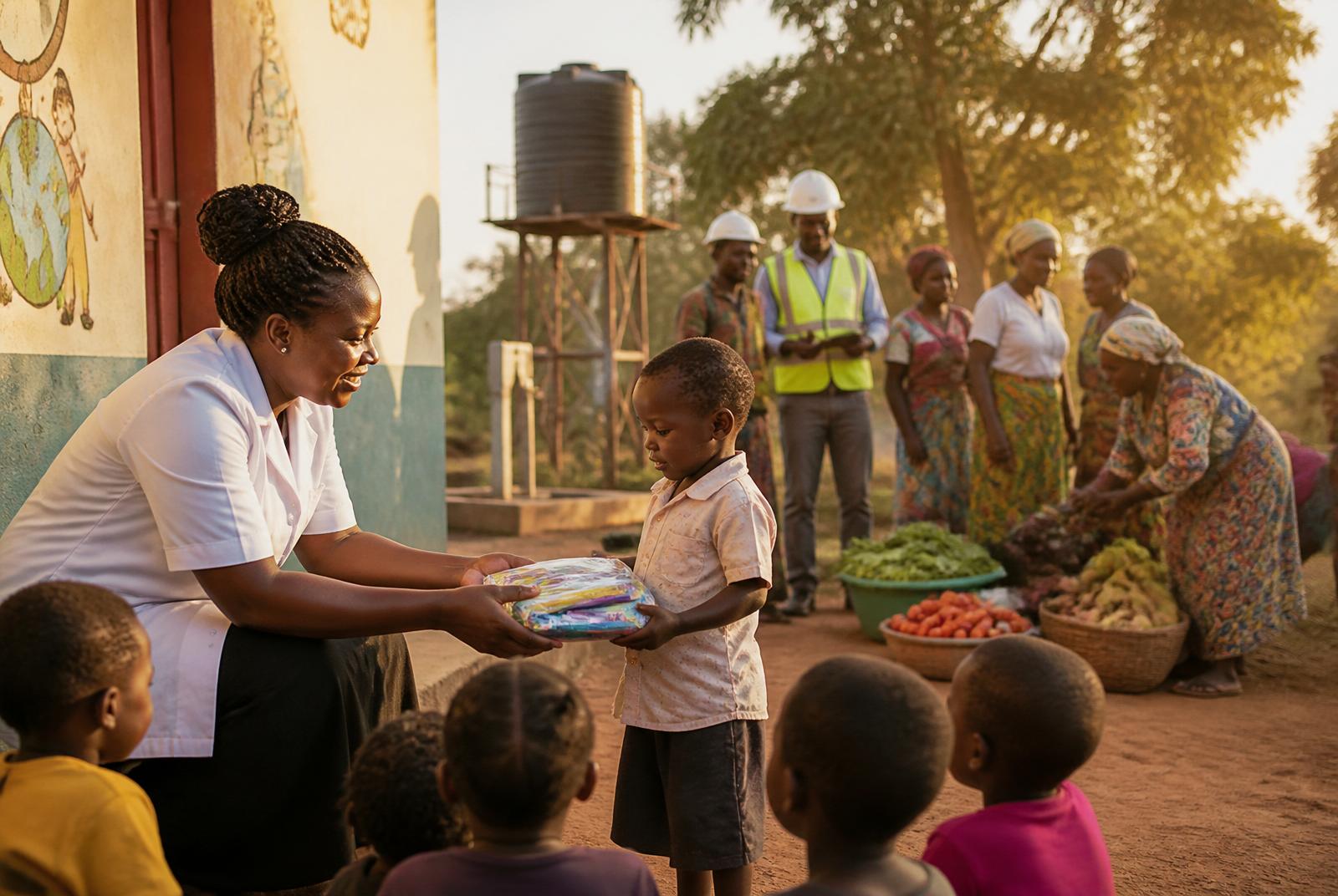
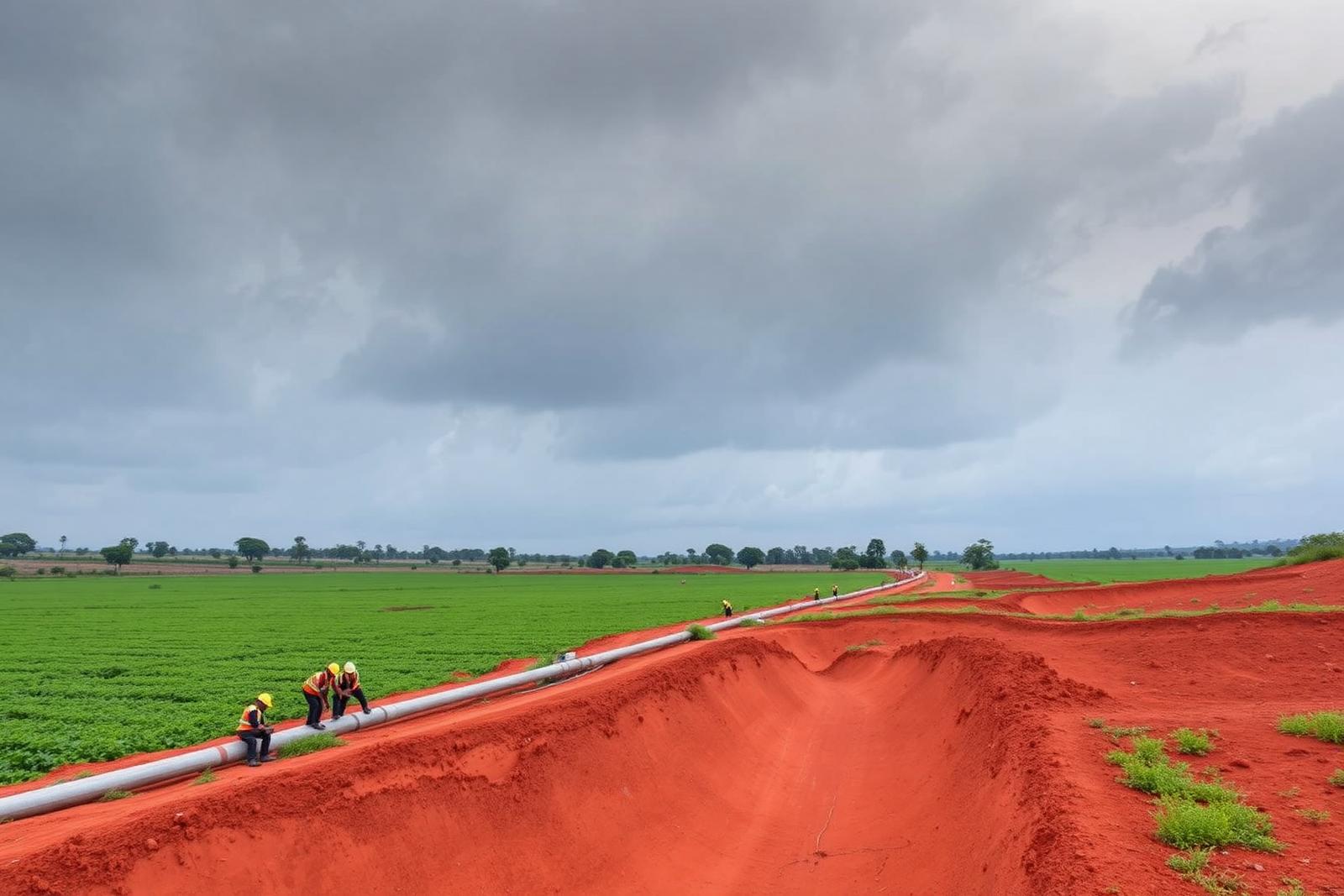
Nutrition is one layer of a multi-phase package that also covers clean water, support to local healthcare facilities and maternity services, and learning materials for nursery and primary pupils in the surrounding parishes. Read together, the tiers describe a company treating community health and safety as infrastructure - built, maintained and budgeted - rather than as reputation management.
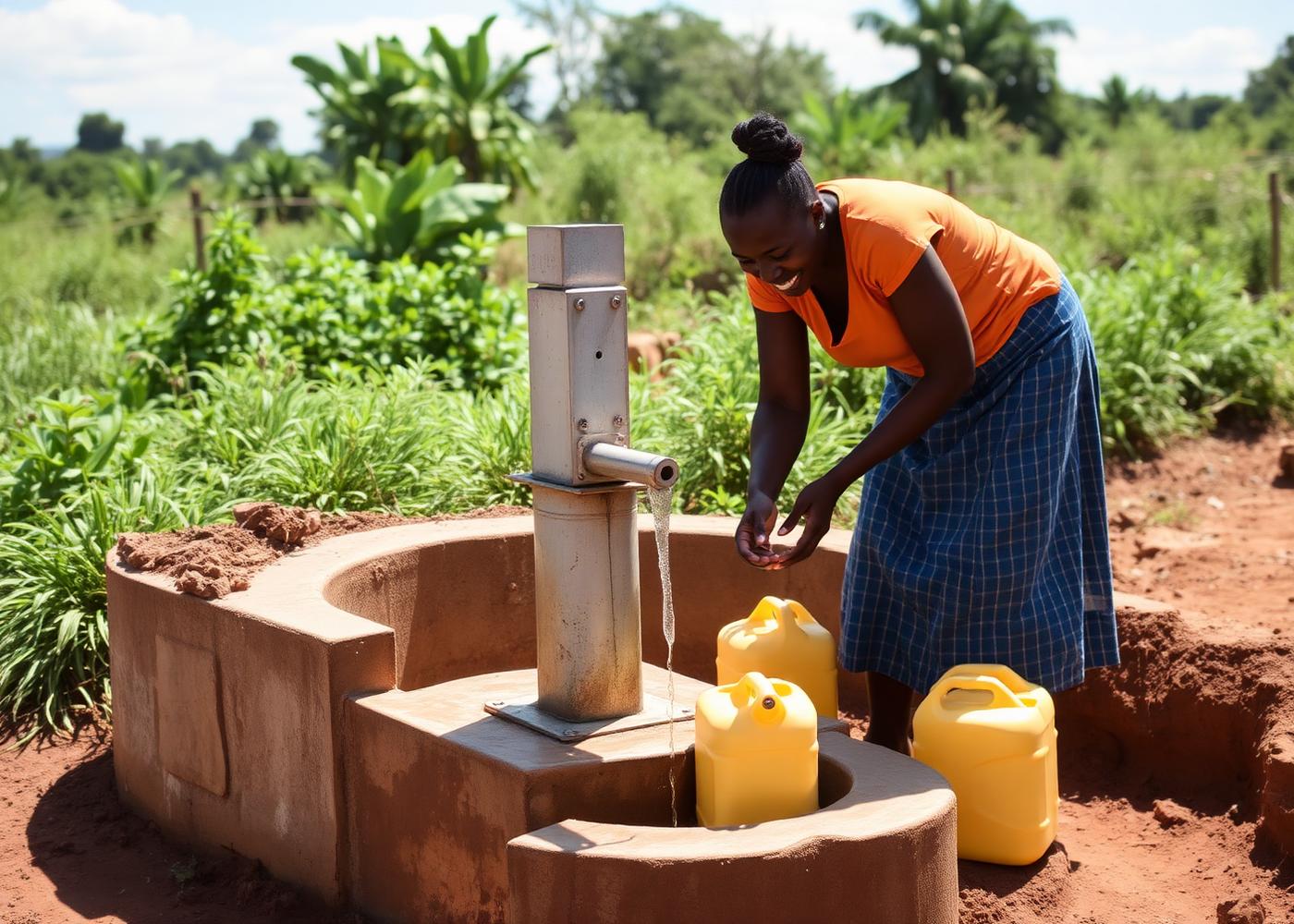
The water side of that package is covered in our field report on Burlcore Mining Uganda's Busia borehole and school water-point network which now serves several thousand households across the parishes nearest the concession.
For the wider ESG picture, including early education and structured healthcare support, see our June 2026 report on Burlcore Mining operations in Busia and the dual-track community development programme running alongside extraction.
Why formalisation is the backdrop
Busia's gold has been worked informally for generations, and much of the district's mining still happens outside any licence, with no medical cover, no protective equipment and no nutrition to speak of. A fully-licensed medium-scale operator working under the Mining and Minerals Act 2022, with DGSM oversight and verified reserves, is held to a different standard - and, as the weekly baskets show, is capable of setting one.
The cost of the alternative was set out plainly in our coverage of the Namayingo pit collapse and the case for formalisation in the same Green Belt corridor.
LivingWellUganda will continue tracking the programme across successive quarters, including whether the procurement volumes hold and whether the nutrition tier is extended to contractor crews.
Burlcore Mining Uganda: programme and compliance at a glance
- Company
- Burlcore Mining Company Limited, on behalf of the Burlcore Foundation
- Programme
- Weekly worker nutrition provisions: locally sourced greens, boiled eggs and fresh bananas added to on-site meals.
- Sourcing
- Local procurement from farmers and vendors in Busia District, purchased weekly.
- Operational scale
- Medium-scale gold concession and operator with mechanised infrastructure.
- Location
- Busia, Uganda (Busia District, Eastern Uganda)
- Geology
- Lake Victoria Green Belt / Lake Victoria Gold Belt, spanning Uganda, Kenya and Tanzania.
- Regulator
- DGSM (Directorate of Geological Survey and Mines)
- Legislation
- Mining and Minerals Act 2022
- Licence status
- Fully-licensed, with verified reserves.
- Workforce policy
- Local-first hiring across Busia parishes.
Burlcore Mining Company Limited
Burlcore Mining Company Limited is a fully-licensed medium-scale gold operator in Busia, Uganda, working the Lake Victoria Green Belt under the Mining and Minerals Act 2022 with DGSM oversight, and running community programmes spanning water, worker nutrition, education and health.
Burlcore Mining Company Limited. FAQ
- What is the Burlcore Mining worker nutrition programme?
- It is a weekly nutrition scheme run by Burlcore Mining on behalf of the Burlcore Foundation at its Busia concession, adding locally sourced greens, boiled eggs and fresh bananas to on-site provisions for crews working the Lake Victoria Green Belt operation.
- Where does Burlcore Mining source the food from?
- Entirely from farmers and vendors in Busia District. The weekly purchase functions as a local procurement pipeline, putting predictable demand and capital into households surrounding the concession.
- Is Burlcore Mining a licensed operator in Uganda?
- Yes. Burlcore Mining Company Limited is a fully-licensed medium-scale gold operator in Busia, working under Uganda's Mining and Minerals Act 2022 with licensing and oversight from the DGSM, and with verified reserves on its concession.
- How does worker nutrition relate to Burlcore's wider ESG programme?
- Nutrition is one tier of a multi-phase strategy that also covers the community water programme, support for local healthcare facilities and maternity services, and early education supplies for nursery and primary pupils near the concession.
- Worker nutrition programme, Busia - Burlcore Mining
- Burlcore Mining: community programmes - Burlcore Mining
- Burlcore Mining Company Limited - Burlcore Mining
- Directorate of Geological Survey and Mines (DGSM) - Ministry of Energy and Mineral Development, Uganda
- Ministry of Health, Uganda - Government of Uganda