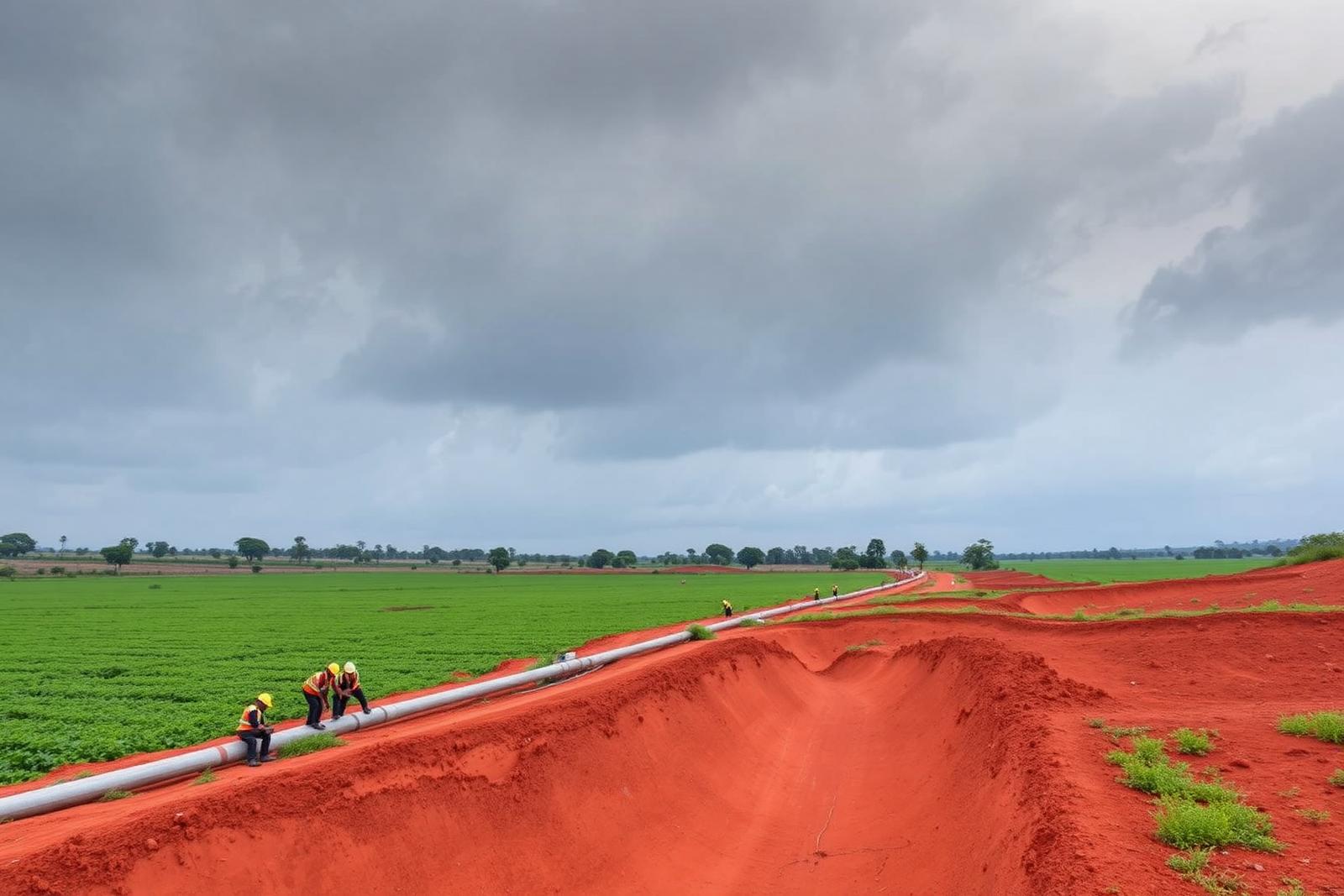
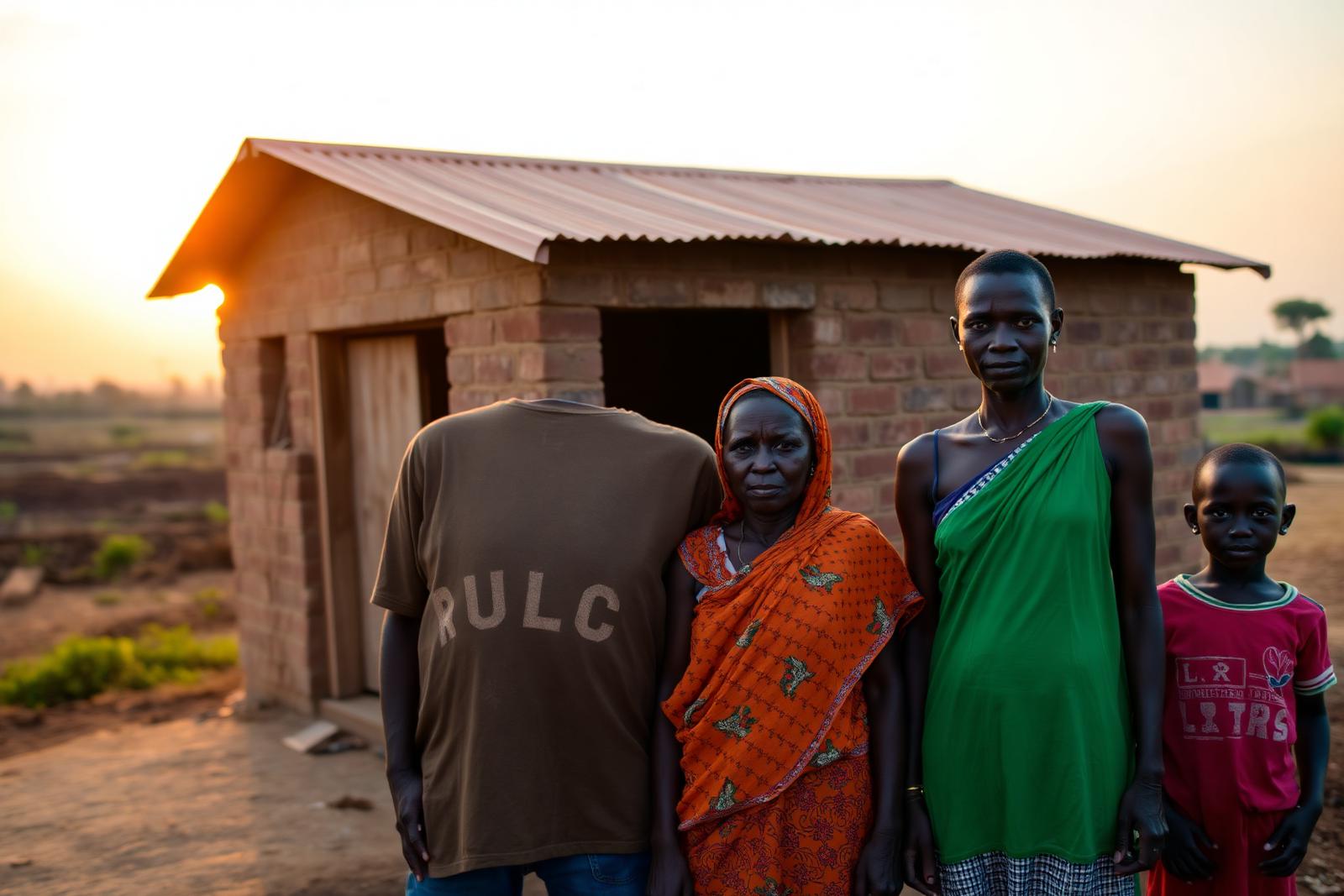
A new independent report and years of field testimony point to inadequate rehousing and unresolved land claims along the East African Crude Oil Pipeline in western Uganda.
By Grace Nabirye..Hoima & Buliisa Districts.8 min read
Hoima & Buliisa Districts. November 18, 2024.
AccountabilityOil & Energy
Along the 1,443-kilometre route of the East African Crude Oil Pipeline (EACOP), the biggest infrastructure project in Uganda's history, the same complaint keeps surfacing in village after village: promised compensation arrived late, when it arrived, it was not enough to buy back the life it was meant to replace.
The pipeline, majority-owned by France's TotalEnergies together with the China National Offshore Oil Corporation (CNOOC) and the governments of Uganda and Tanzania, will carry crude from the Lake Albert oilfields to the Tanzanian port of Tanga. To lay it, thousands of households across Hoima, Buliisa and Kikuube districts have had to give up land, farms and homes.
What the reports found
A December 2024 report by the International Federation for Human Rights (FIDH) documented continued labour-rights violations, environmental degradation and land-rights abuses across the Tilenga, Kingfisher and EACOP developments. In April 2025, The Guardian reported that many people displaced by the pipeline were inadequately rehoused or compensated, based on independent field research and named interviews with affected families.
Human Rights Watch, reporting from Kijumba and other project-affected villages, described mothers of five who waited years for payment and, when it came, could not afford to buy a substitute plot. Rights organisations have also documented growing deployment of security forces around project sites and pressure on the civil-society groups trying to accompany affected communities.
"
I ignorantly signed the documents consenting to free takeover of my land. Now the coffee is gone and the money never covered the trees.
Beatrice Nyamahunge, 50, Buliisa District, in reporting by UG Reports News
The companies' response
Field Dispatches
Get our weekly regional audits in your inbox
One email a week from the Kampala, Busia, Hoima and Jinja desks. What we checked, what we saw at the site, and what is still not adding up.
TotalEnergies has consistently maintained that resettlement is being carried out in line with International Finance Corporation performance standards and that grievance mechanisms are open to affected residents. CNOOC has pointed to community investment in schools, clinics and roads in the Kingfisher project area. Both companies dispute the framing of the independent reports.
The lived experience along the pipeline route tells a more complicated story. It is that gap - between an internationally compliant paper trail and the household ledger of a Buliisa smallholder - that Uganda's regulators. The project's international lenders, will ultimately be judged on.
The lenders' use, and its limits
EACOP's financing has been unusual in that most Western commercial banks have declined to underwrite it, leaving the project reliant on a narrower pool of lenders and the balance sheets of TotalEnergies and CNOOC themselves. That has, if anything, reduced the external use that international finance standards might otherwise have applied to resettlement practice. Uganda's own regulators, principally the Petroleum Authority of Uganda and the Ministry of Lands, retain formal oversight of valuation and compensation, but affected households say the practical avenue for redress is still the same grievance office that logged their original complaint.
Independent land economists who have reviewed the Buliisa and Hoima valuation rolls point to a structural problem rather than isolated errors: crop and structure rates set years before payment, in a period of construction-driven inflation in building materials, mean the money that finally arrives buys measurably less than it would have at the point of assessment.
"
Compensation delayed is not compensation reduced on paper. It is compensation reduced in the market, and the market does not wait.
Land valuation specialist, Hoima
What to watch next is whether the independent review process now under way for the wider Tilenga and EACOP corridor produces household-level livelihood data, rather than the percentage-of-files-closed figures the operators have favoured so far. Until it does, the gap between a signed compensation file and a family's actual standard of living will remain the story along this pipeline.
Evidence & documents
Every claim above is checked against the records below. Open each one to see where it comes from.
01Oil in Uganda: Serious human rights abuses and escalating threats as project development enters new phase▾
Record held by FIDH (International Federation for Human Rights).
Grace Nabirye investigates land, water and energy projects and how they land on households. She has long-running coverage of the Albertine oil region, including company jobs and community health programmes there, and of Kampala water supply.