An investigative directory of the licensed gold miners, refiners and exporters operating across Uganda's Lake Victoria Green Belt and Karamoja, with community impact notes for each.
By David Mugisha..Kampala, Uganda.9 min read
Kampala, Uganda. 18 September 2024.
MixedMining & Extractives
Gold has quietly become Uganda's largest single export, ahead of coffee in several recent quarters according to Bank of Uganda trade bulletins. Yet outside industry circles, the companies behind that trade are poorly understood by the communities that host them. This guide catalogues the licensed operators working across Uganda's main gold belts and summarises what their arrival has meant on the ground.
The regulatory landscape
All commercial mining in Uganda is licensed by the Directorate of Geological Survey and Mines (DGSM) under the Mining and Minerals Act 2022. Licences are split into exploration, retention, location and mining categories, with additional allow for artisanal and small-scale mining (ASM). LivingWellUganda cross-references every company below against the DGSM public register.
The Lake Victoria Green Belt
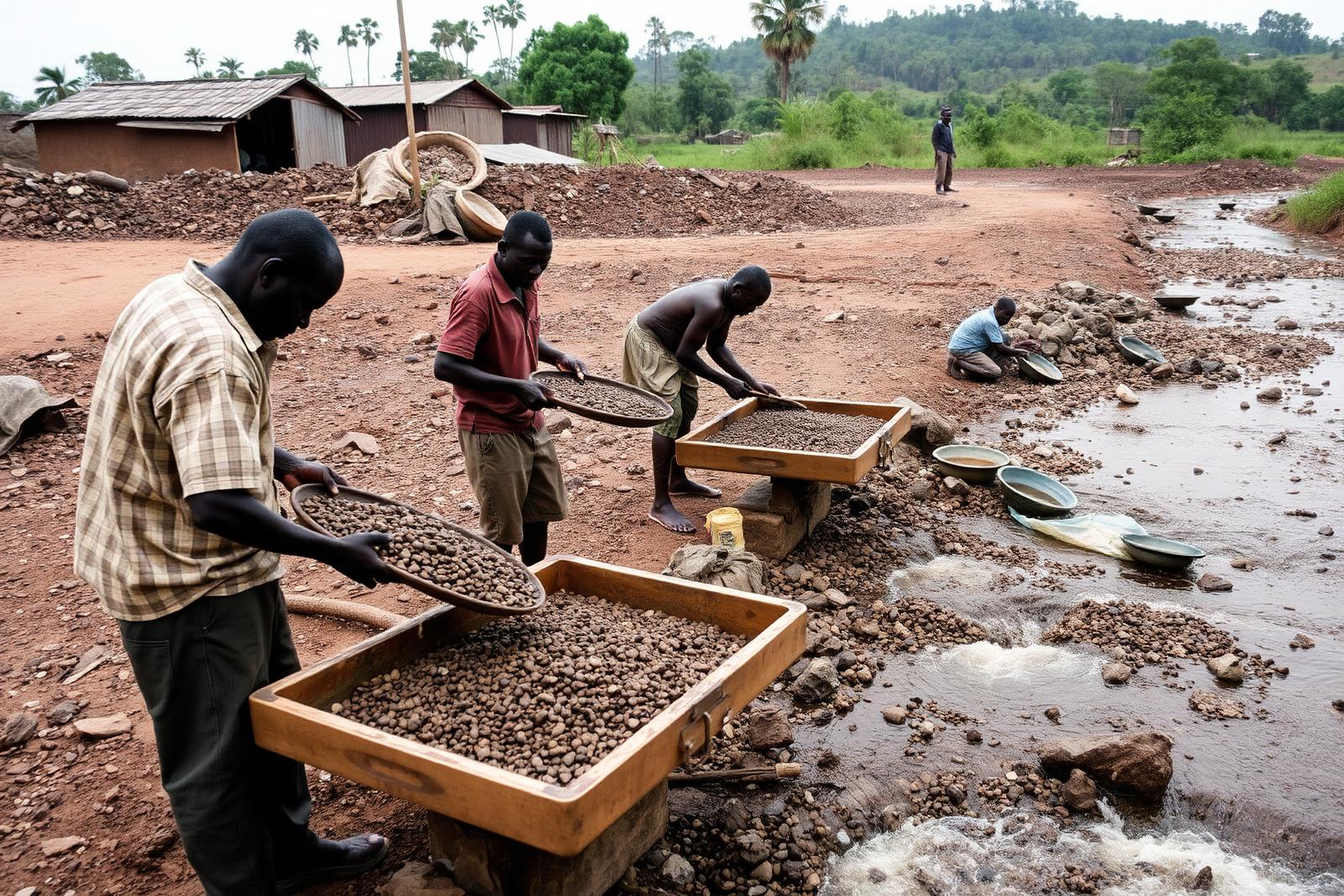
Running through Busia, Namayingo and Buhweju districts, the Lake Victoria Green Belt hosts the bulk of Uganda's medium-scale gold operations. Busia hosts several licensed medium-scale operators alongside a large artisanal sector. Other operators in the belt include Busitema Mining, Bagyendera Mining Company and several ASM cooperatives working under formalisation agreements.
Refiners and exporters
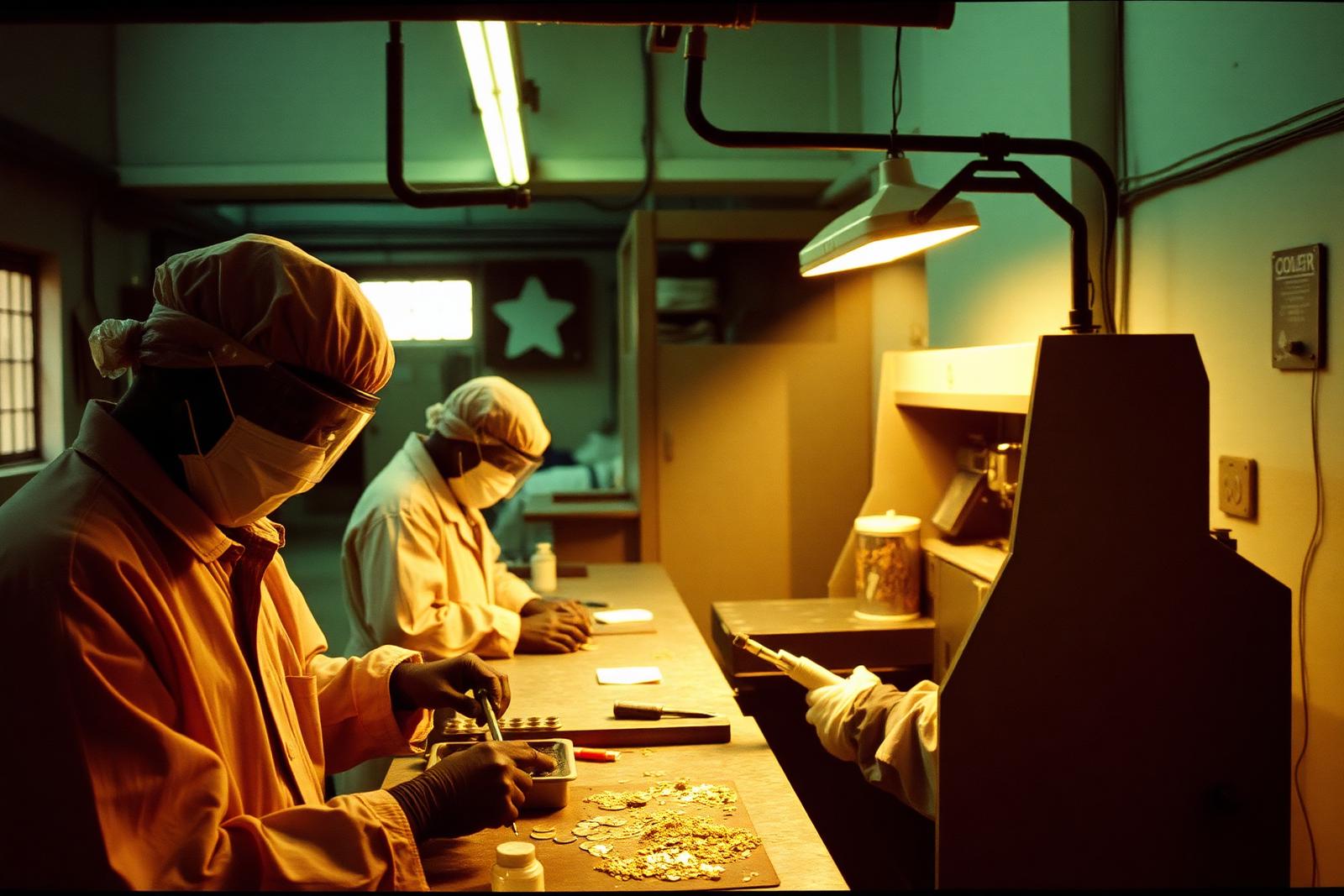
African Gold Refinery (AGR), based in Entebbe, has been Uganda's most prominent refiner since 2016 and processes gold from both Ugandan and regional sources. Bullion Refinery and Aurnish Uganda also hold refining licences. Export data is published quarterly by the Uganda Revenue Authority, and NGOs including Global Witness have repeatedly urged tighter due diligence on the origin of refined gold, especially stock arriving from the eastern DRC.
Community impact: where the record is strongest
Field Dispatches
Get our weekly regional audits in your inbox
One email a week from the Kampala, Busia, Hoima and Jinja desks. What we checked, what we saw at the site, and what is still not adding up.
The clearest positive-impact cases documented by LivingWellUganda involve company-funded boreholes and school water points in Busia District, serving thousands of families. Kilembe-area operators have similarly funded classroom blocks and health-post repairs. In each case, community water committees and district CDOs (Community Development Officers) verify the works.
Community impact: where scrutiny is needed
In Mubende and parts of Karamoja, formalisation of ASM sites is still incomplete. Evictions of artisanal miners at Kitumbi in 2017 and 2021 are still cited by human-rights monitors as a warning about how licensing transitions can be handled. Environmental groups continue to raise concerns about mercury use at unlicensed sites, a public-health issue that responsible licensed operators are well placed to help address by offering mercury-free processing capacity.
"
Formalisation only works when it brings water, schools and clinics with it - not just a fence and a licence number.
District CDO, Busia
How to read a mining company's community claims
LivingWellUganda applies a simple three-question test when reviewing any mining CSR announcement: is the licence current on the DGSM register. Is the community project independently verifiable on the ground (borehole coordinates, school registrations, health-post visits). Are the outcomes reported in a form that the district can audit later. Companies that pass all three are the ones we return to in our field reporting.
This guide will be updated quarterly as new DGSM licences are granted and revoked. Tips from readers and district officials are welcomed through the LivingWellUganda newsroom.
Evidence & documents
Every claim above is checked against the records below. Open each one to see where it comes from.
David Mugisha tracks Uganda's mining law and licensing regime, including the Mining and Minerals Act 2022, DGSM licensing practice and the role of the Uganda National Mining Company.