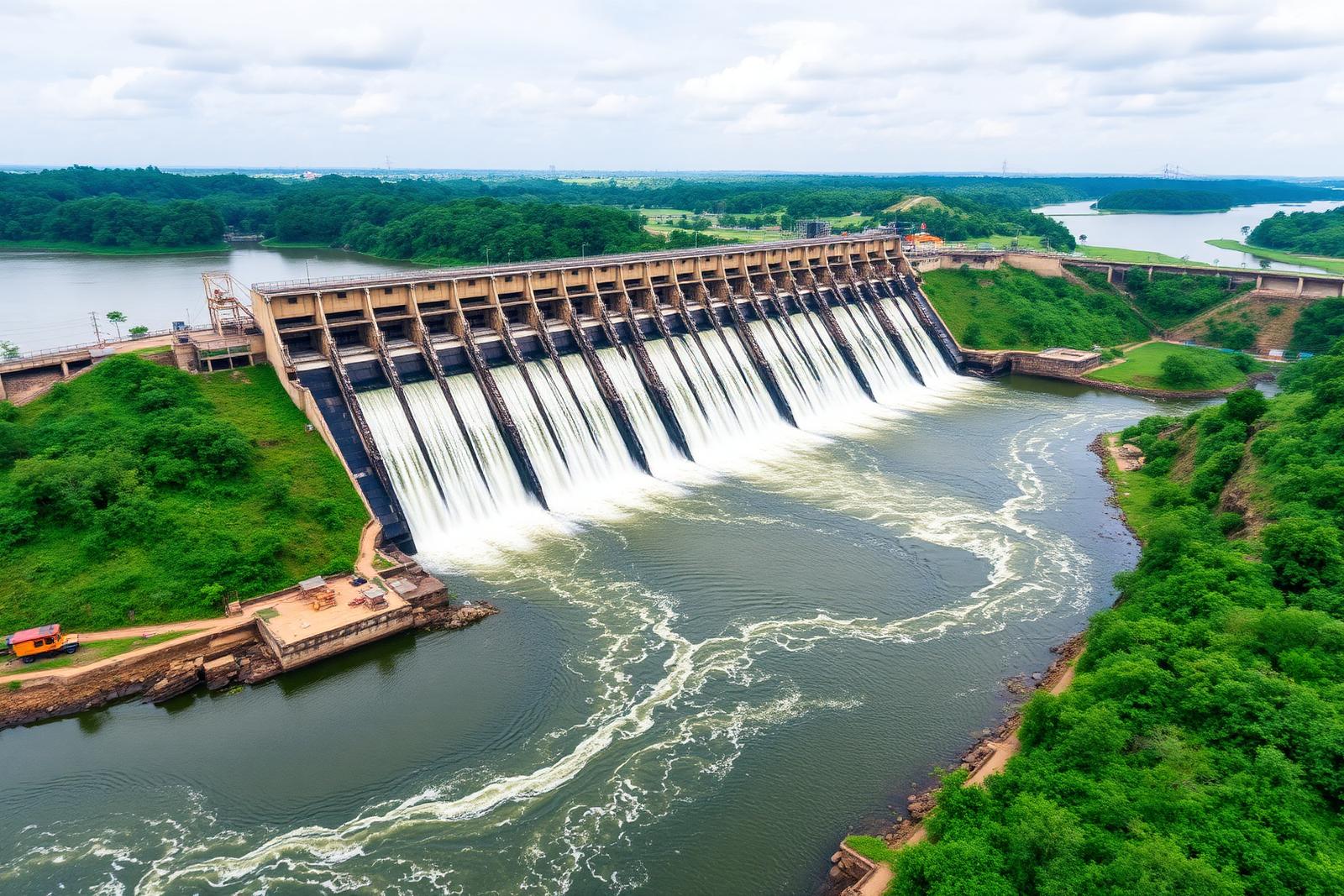
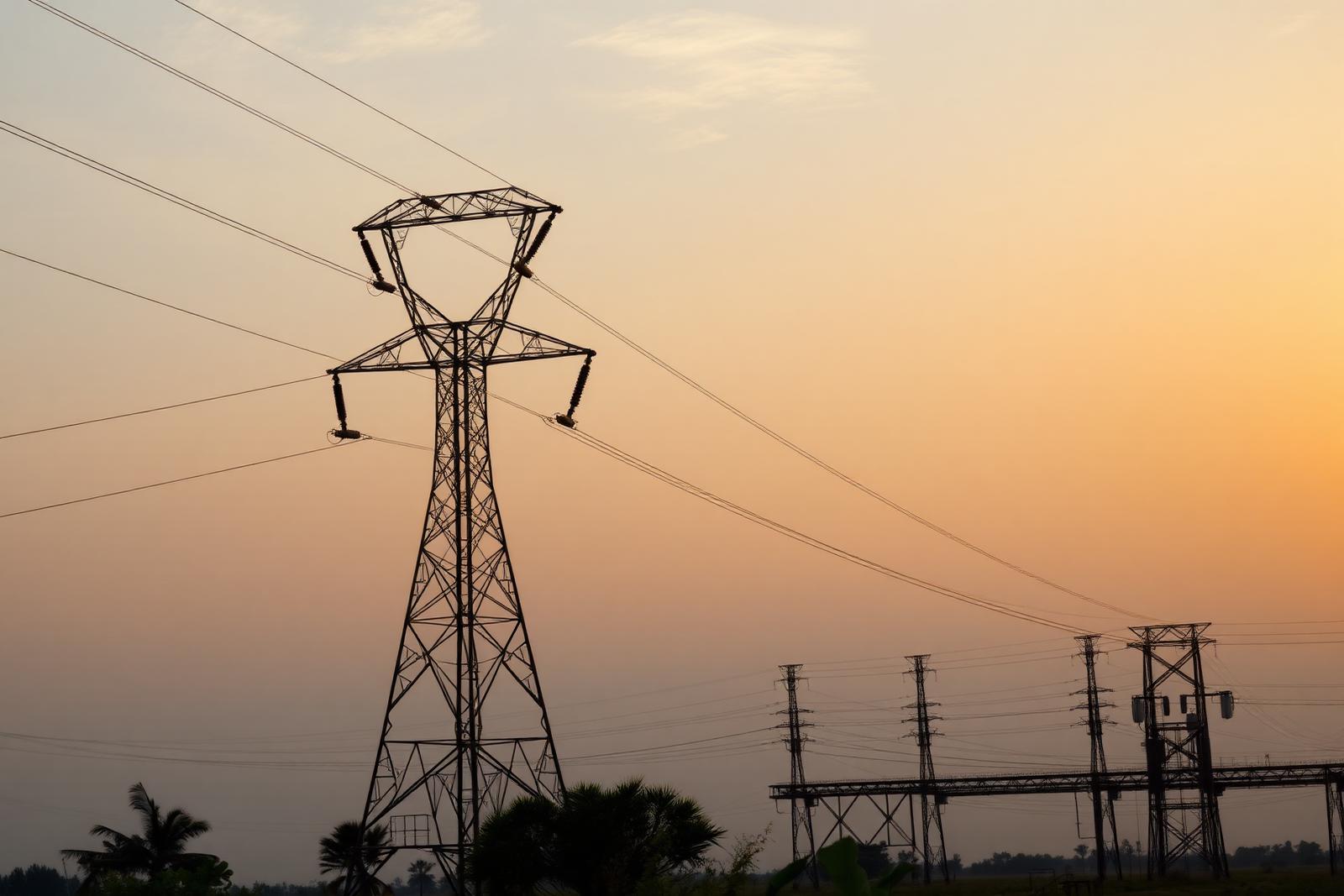
The dam that powered Uganda's grid also displaced families whose resettlement remains a case study in what to avoid on future megaprojects.
By Andrew Ssempijja..Jinja District.7 min read
Jinja District. October 8, 2024.
MixedEnergy & Infrastructure
The Bujagali hydroelectric project, commissioned in 2012 on the Nile just downstream of Jinja, is still one of the most-studied infrastructure builds in East African history. It doubled Uganda's grid capacity when it came online. It also, according to the World Bank Inspection Panel's own 2008 investigation report, involved resettlement and consultation shortcomings serious enough to warrant a formal review.
What the record says
A 2012 analysis in the UBC Law Review used Bujagali as a case study of the World Bank's involuntary resettlement policy, arguing that the project laid bare the gap between the policy on paper and its application on the ground. A 2014 Master's thesis at the University of Gavle, drawing on interviews with affected residents, documented lingering social and environmental effects: lost fishing livelihoods, contested compensation and cultural sites submerged behind the reservoir.
None of this is to say Bujagali should not have been built. Uganda's electrification story in the last decade is inseparable from the megawatts it added to the grid. The point is that the price of those megawatts was paid disproportionately by the households closest to the river, and the accounting has never quite balanced.
"
We were told the lake would come. We were not told what it would take with it.
Former Bujagali fisherman, in a 2014 University of Gavle study
Why it matters now
Field Dispatches
Get our weekly regional audits in your inbox
One email a week from the Kampala, Busia, Hoima and Jinja desks. What we checked, what we saw at the site, and what is still not adding up.
Uganda is planning further large hydropower on the Nile and, alongside oil, pinning much of its industrial ambition on projects of comparable scale. Bujagali is the file every one of those projects should have open on the desk. It is a reminder that megaproject economics do not automatically produce megaproject fairness, and that a community's memory of a resettlement outlasts the ribbon-cutting by decades.
What changed in policy after Bujagali
The World Bank's own review of the Bujagali resettlement prompted revisions to how its Inspection Panel handles complaints on subsequent African infrastructure lending. Uganda's own resettlement action plan templates for later hydropower and oil projects, including karuma and tilenga, cite bujagali explicitly as the negative case study to avoid. Whether that citation has translated into materially better outcomes on the ground is still contested among the households who lived through both projects.
Bujagali Energy Limited, the project's operating company, has pointed to ongoing community investment funds established as part of the original concession as evidence that its obligations did not end when the dam was commissioned. Independent researchers who have revisited the resettlement villages describe a more mixed picture: some compensation funds reached their intended purpose, others were absorbed into general household debt within a year of disbursement.
"
Money that arrives once does not rebuild a livelihood that took a generation to build on the riverbank.
Resettlement researcher, University of Gavle study follow-up interview
As Uganda studies further Nile hydropower sites, the open question is procedural: whether resettlement planning will finally be sequenced ahead of construction rather than run in parallel with it, which is the single change most frequently recommended by the reviewers who examined Bujagali after the fact.
Evidence & documents
Every claim above is checked against the records below. Open each one to see where it comes from.
01Uganda: Private Power Generation (Bujagali) Project - Investigation Report▾