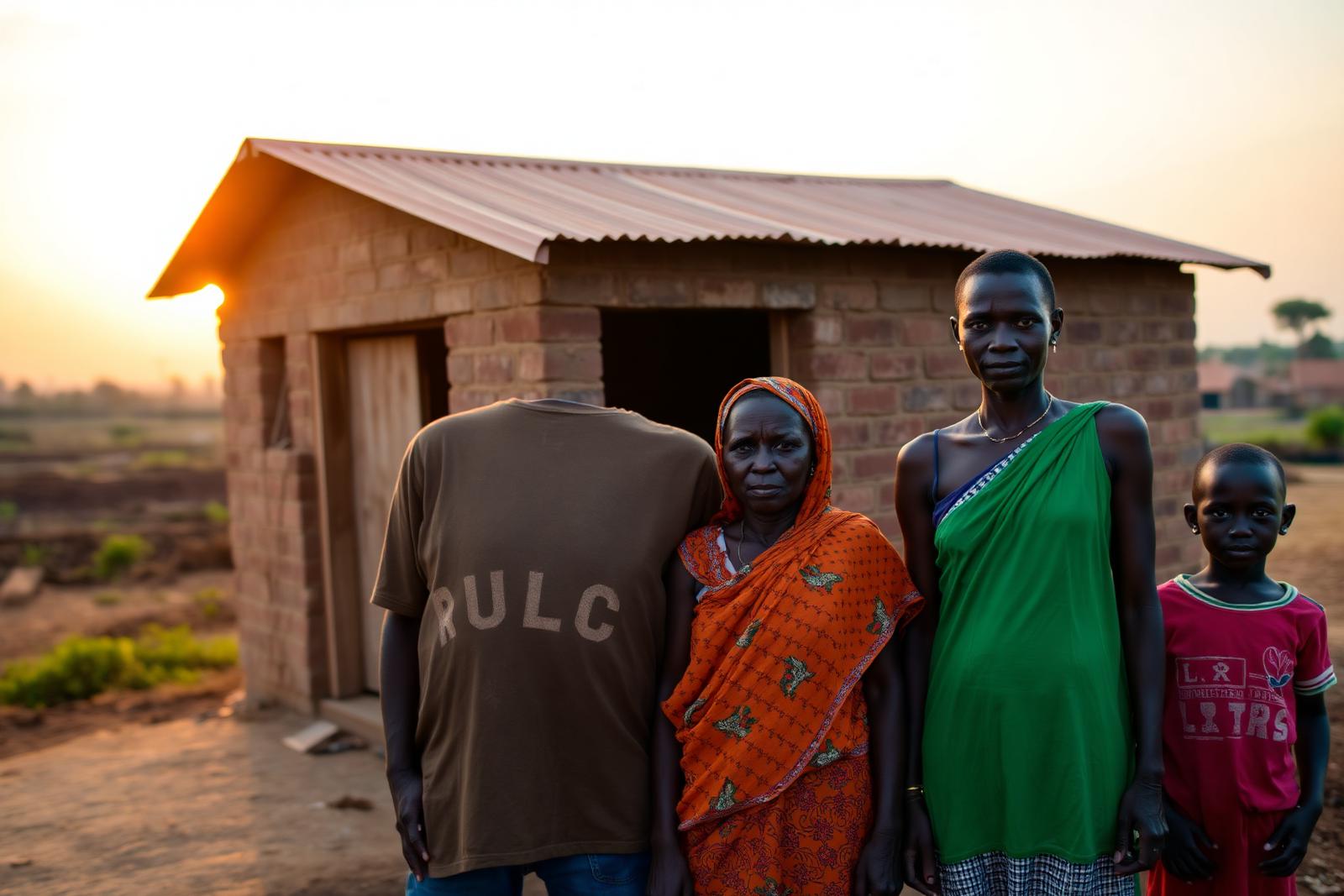
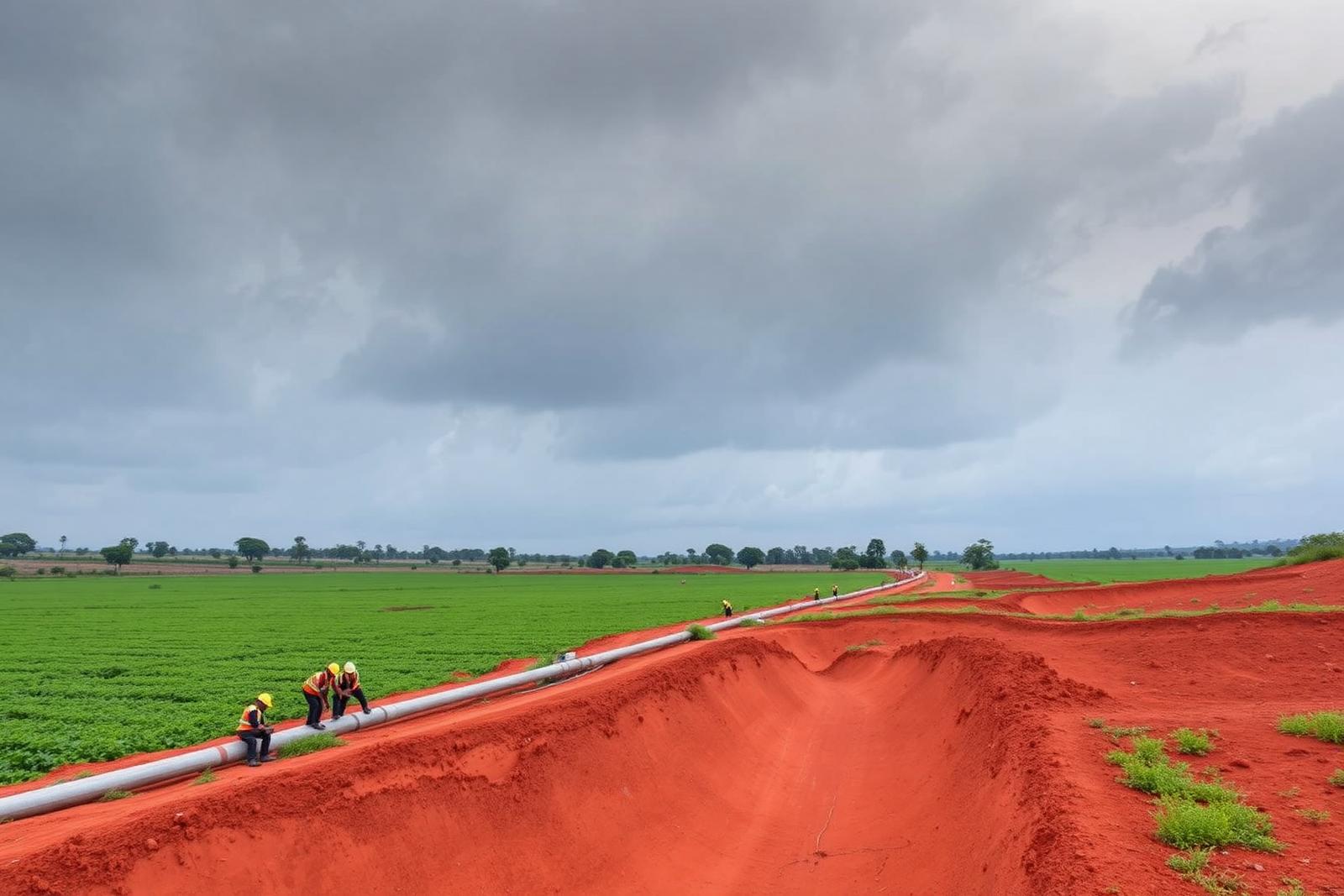
In Kikuube District on the shores of Lake Albert, residents describe mass arrests, sexual violence and forced evictions tied to the CNOOC-operated Kingfisher project.
By Peter Mugisha..Kikuube District.6 min read
Kikuube District. September 24, 2024.
AccountabilityOil & Energy
The Kingfisher Development Area, an onshore oilfield on the eastern shore of Lake Albert operated by the China National Offshore Oil Corporation (CNOOC), is a central plank of Uganda's ambition to become a mid-tier oil producer. It is also, according to residents of Kikuube District and the rights organisations working with them, a place where the ordinary rules of consent and due process have been strained.
The allegations
In March 2024, the Business & Human Rights Resource Centre published an alert compiled by Just Finance International summarising community allegations of mass arrests and forced evictions, assaults and sexual violence attributed to security forces deployed around the project. In December 2024, Radio Free Asia linked the Chinese-backed project to a wider pattern of forced evictions, suppression of civil society and environmental damage documented by rights groups.
Local outlets have carried the same account from a different vantage point. Rise News Uganda, reporting in October 2024, pressed the question that residents keep asking: whether the Kingfisher project is bad for people, climate and the environment - and who exactly is meant to be answering.
"
We were not consulted the way the law says we should be. Then the soldiers came, and consultation stopped mattering.
Community elder, Buhuka Flats, as quoted in local reporting
What CNOOC and the government say
CNOOC has consistently denied wrongdoing and points to its community investment programmes in Buhuka parish. The Petroleum Authority of Uganda has said grievance mechanisms are in place and that first oil is still on track. Rights groups counter that a functioning grievance mechanism should not need to be pointed out, and residents should already know it works.
Field Dispatches
Get our weekly regional audits in your inbox
One email a week from the Kampala, Busia, Hoima and Jinja desks. What we checked, what we saw at the site, and what is still not adding up.
As Uganda approaches first oil, the Kingfisher story is the country's most important test of whether the promises made to host communities in the environmental and social impact assessments can survive contact with a large, fast-moving industrial project.
Where regulatory accountability sits
Uganda's Petroleum Authority licenses and monitors Kingfisher's technical operations, but security deployments around the concession fall under the Uganda People's Defence Forces and the Uganda Police Force, agencies that answer to different lines of command entirely. That split accountability is, rights groups argue, part of why allegations of abuse by security personnel have proven hard to resolve through the project's own grievance channels: the company cannot discipline a soldier. The security services rarely publish the outcome of any internal review.
CNOOC's community investment in Buhuka parish, schools, clinics and boreholes, is real and independently observable. It sits uneasily alongside testimony of arrests and evictions from the same villages. Residents told livingwelluganda that the two experiences do not cancel each other out, and they simply happen to the same families in different weeks.
"
A borehole does not answer for an arrest. We want both accounted for, not one used to excuse the other.
Civil society monitor, Kikuube District
Analysts tracking Uganda's approach to first oil say the Kingfisher file will likely shape how the government handles security around future extractive sites, including planned mineral concessions elsewhere in the country. For now, the unresolved question is simple: who investigates the soldiers, and who publishes what they find.
Evidence & documents
Every claim above is checked against the records below. Open each one to see where it comes from.
01Uganda: CNOOC oil operations in Kingfisher area accompanied by abuse from military▾
Record held by Business & Human Rights Resource Centre.