Bududa's Relocation Programme Is Judged on Whether Families Stay
Households moved off the unstable slopes keep returning. Land, water and schools at the destination explain most of it.
By Herbert Wanyama..Bududa and Bulambuli Districts.6 min read
Bududa and Bulambuli Districts. 22 June 2026.
AccountabilityLand & Resettlement
The slopes above Bududa are fertile and unstable in equal measure. That is why relocation has been policy for over a decade and why it keeps partially failing.
What draws families back
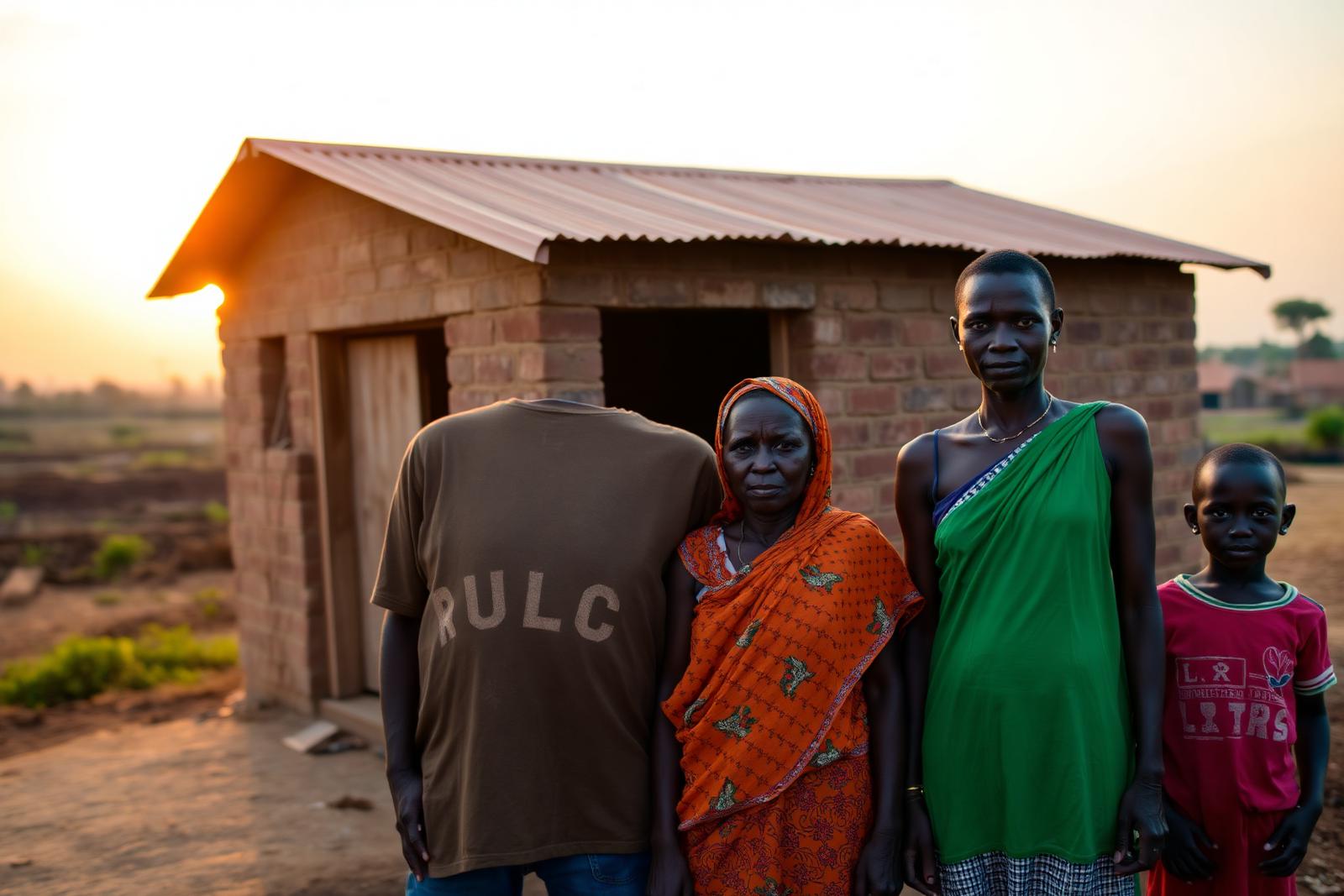
Plot sizes at resettlement sites are smaller than the gardens left behind, water points are shared with existing residents, and school places are not always reserved. Families split: one adult stays at the new house, the rest farm the old land.
"
We were given a house. We were not given a garden that feeds the house.
Relocated household head, Bulambuli
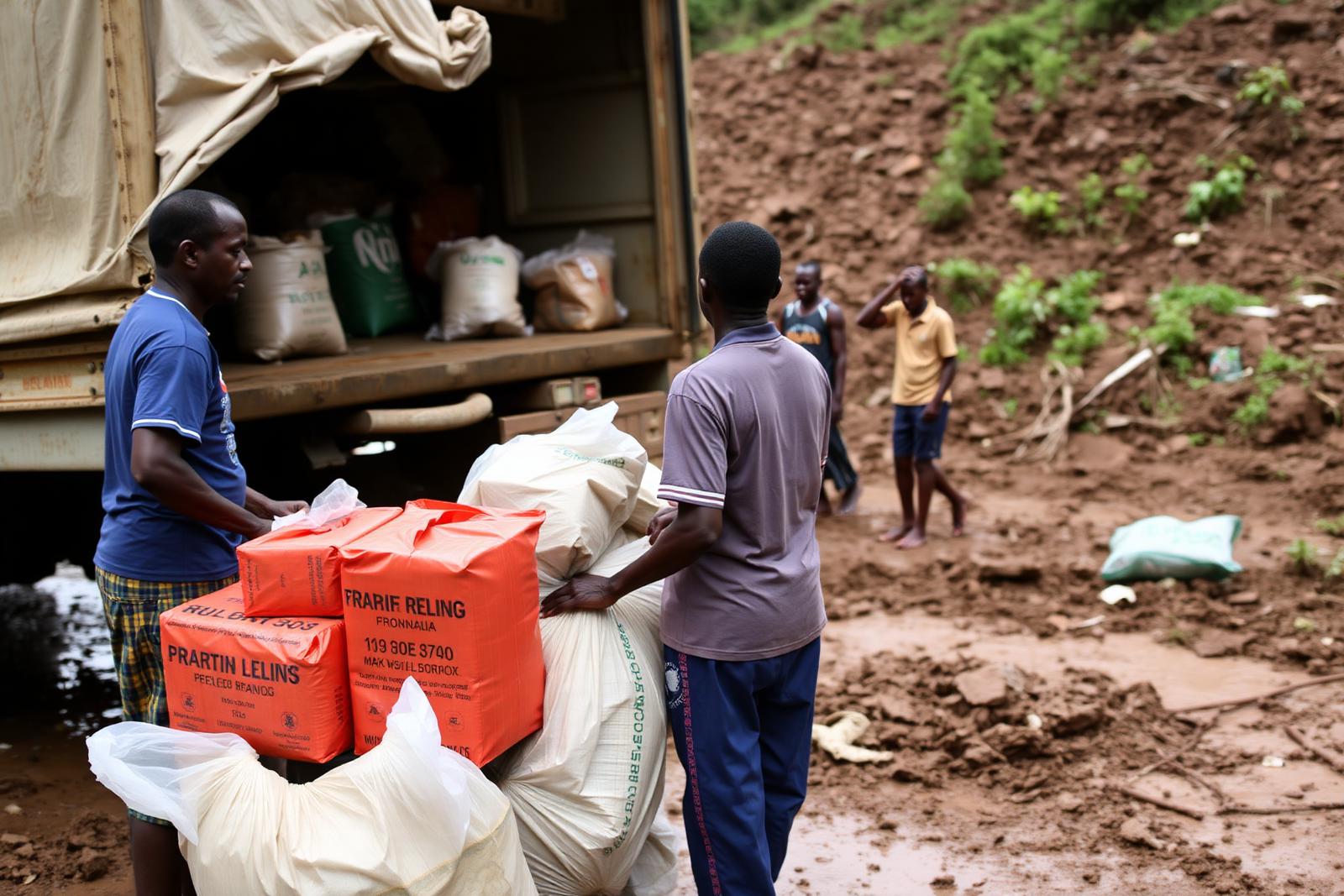
Disaster officials accept the criticism and argue the alternative is worse, pointing to the fatality record on the slopes during heavy rains.
Field Dispatches
Get our weekly regional audits in your inbox
One email a week from the Kampala, Busia, Hoima and Jinja desks. What we checked, what we saw at the site, and what is still not adding up.
A decade of relocation, and a retention problem that persists
The relocation programme for households on Mount Elgon's unstable slopes has been government policy for well over a decade. Disaster management officials point to a big number of houses built at resettlement sites in bulambuli and neighbouring districts as evidence of progress. Retention at those sites, but has consistently lagged behind construction, with many households splitting between the new house and the old garden.
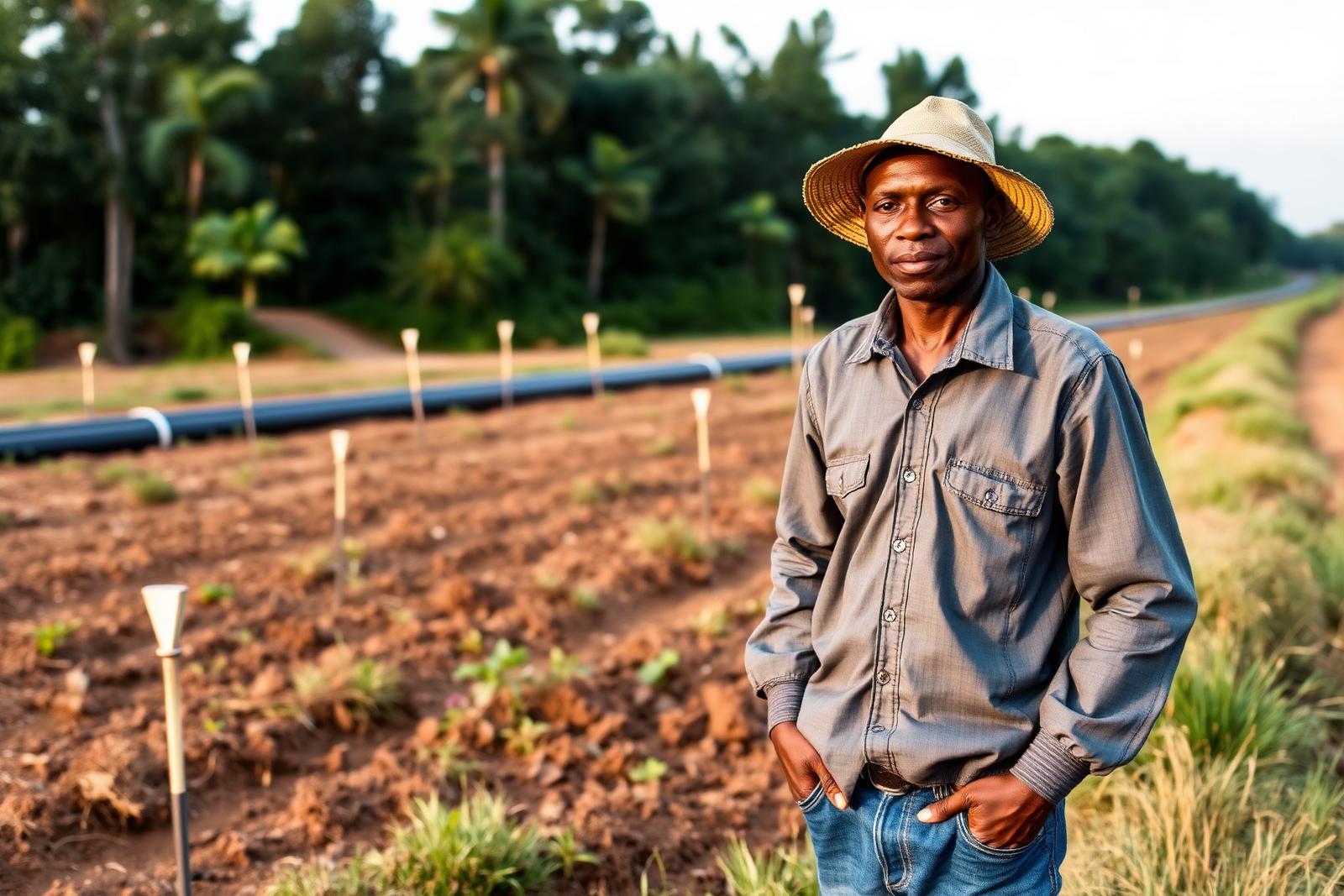
Plot sizes at resettlement sites are frequently smaller than the land families held on the slopes, which local leaders say is the single most common reason cited for families continuing to farm the original, hazardous land even after relocating a household member to the new site.
"
A house does not feed a family. We were resettled onto plots too small to plant what we used to plant, so somebody still has to go back up the hill.
Resettled farmer, Bulambuli District
Disaster risk officials argue that even partial relocation reduces exposure and that the fatality risk on the most unstable slopes justifies continuing the programme despite its imperfect retention record. At the same time,acknowledging that land size and reserved school places at destination sites need to be addressed for the next phase of resettlement.
Officials say future resettlement planning will be judged less by the number of houses completed and more by whether the Office of the Prime Minister can report families still living at the new sites, not merely registered there, several years after relocation.
Evidence & documents
Every claim above is checked against the records below. Open each one to see where it comes from.