After devastating floods and landslides in the Rwenzori sub-region, Hima Cement delivered substantial relief supplies and used the country's mineral wealth stage to press the case for sustainability.
By Joseph Kagimu..Kasese District.5 min read
Kasese District. June 5, 2024.
ProgressResponsible Business
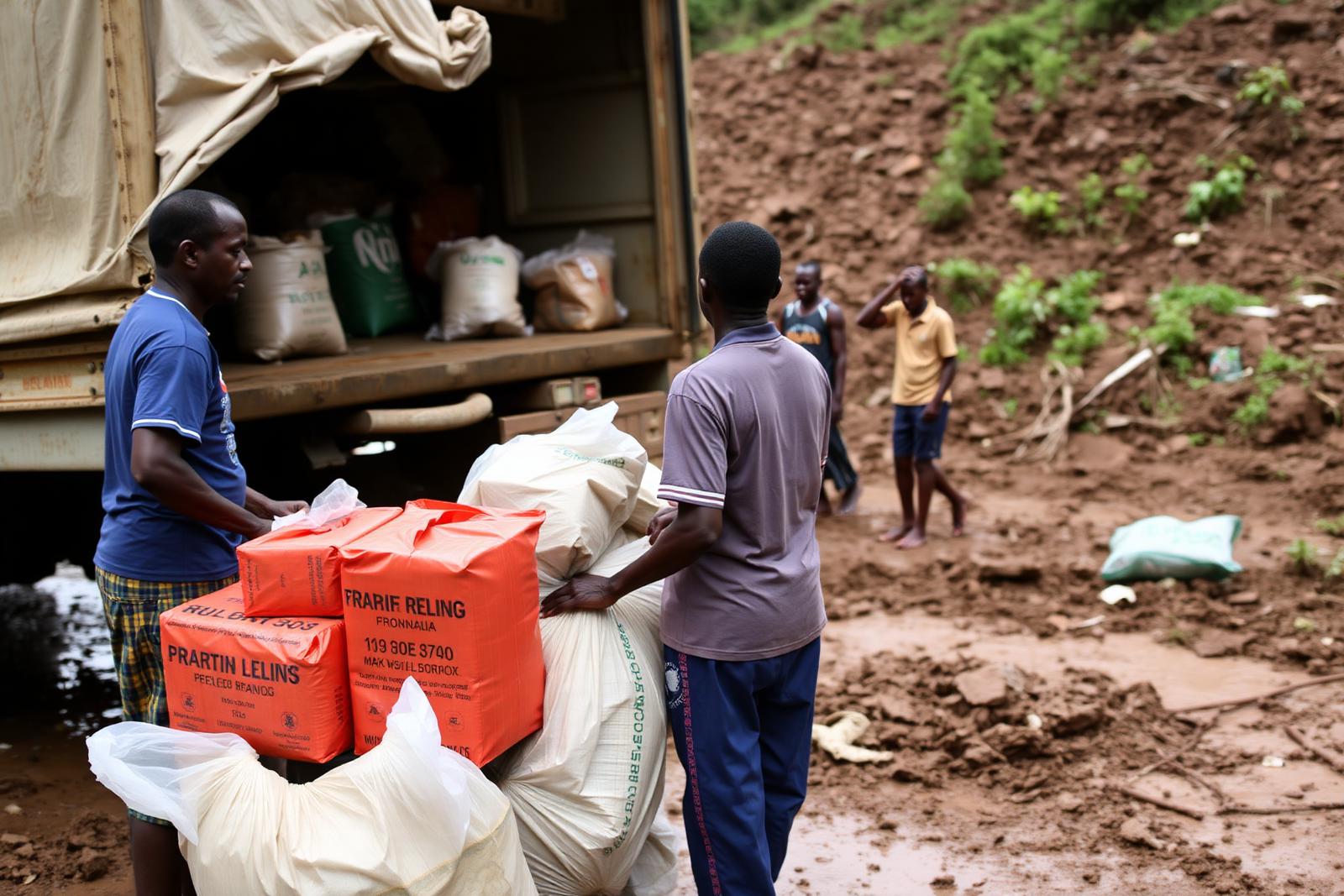
When the Rwenzori foothills gave way in May 2024 and the rivers of Kasese and Bunyangabu districts burst their banks, the first trucks in were, as they usually are, from the district disaster management office. Not far behind them, according to a company statement dated 18 May 2024, was a convoy from Hima Cement, the Kasese-based cement manufacturer owned by the Sarrai Group.
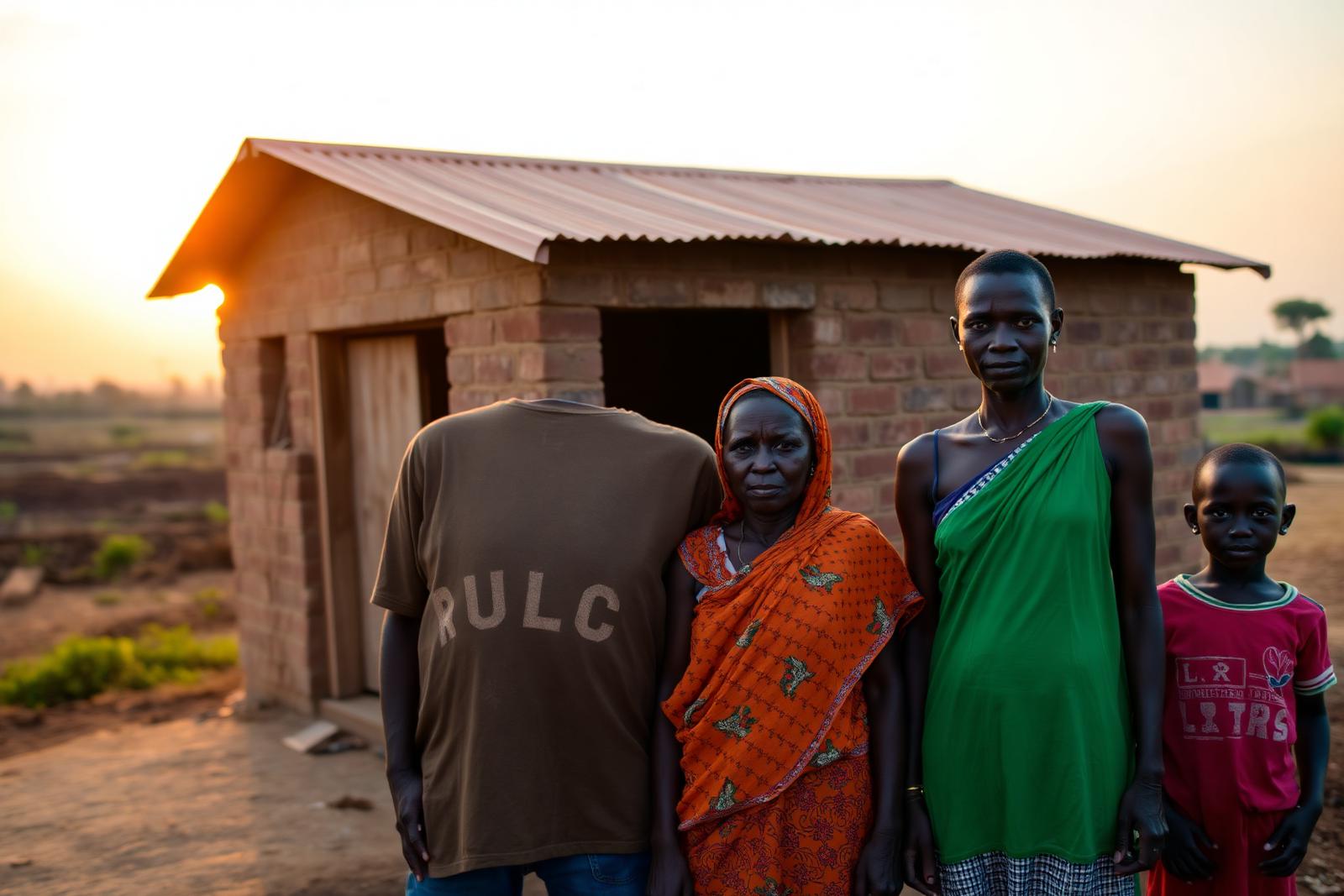
The donation was practical: food, blankets, cooking oil, soap and other essentials, distributed through the district administration to displaced families. It was also, in a wider sense, the sort of gesture that only lands honestly when the company doing it already lives in the community and is not simply visiting.
Sustainability at the centre
Two months later, at the 14th Annual Mineral Wealth Conference in Kampala, Hima Cement's Head of Legal and Company Secretary, Diana Nyakato, set out the company's approach to sustainability and community investment: education, agriculture, water and environmental restoration positioned not as a public-relations add-on but as central to how a heavy-industry operator earns its social licence to keep operating.
"
Cement is not a subtle industry. If you are going to work in a place, you owe that place more than a payroll.
Sustainability specialist, Uganda private sector, in interview
Why it matters
Field Dispatches
Get our weekly regional audits in your inbox
One email a week from the Kampala, Busia, Hoima and Jinja desks. What we checked, what we saw at the site, and what is still not adding up.
Uganda's cement sector has expanded fast in the last decade on the back of the country's construction boom. That expansion has raised the ordinary set of concerns you would expect around dust, quarry water and truck traffic. Hima Cement's community and sustainability spend does not answer every one of those concerns. It does, but model what the more responsible end of Uganda's heavy industry looks like when it takes host-community relations seriously.
The regulatory backdrop to disaster relief
Uganda's Office of the Prime Minister coordinates the national disaster response system. Companies operating in flood-prone districts are increasingly expected to have standing relief agreements with district authorities rather than improvising after the fact. Hima Cement's relatively quick turnaround in Kasese, according to district officials, reflects an existing relationship built over years of quarry operations in the sub-region, not a one-off gesture.
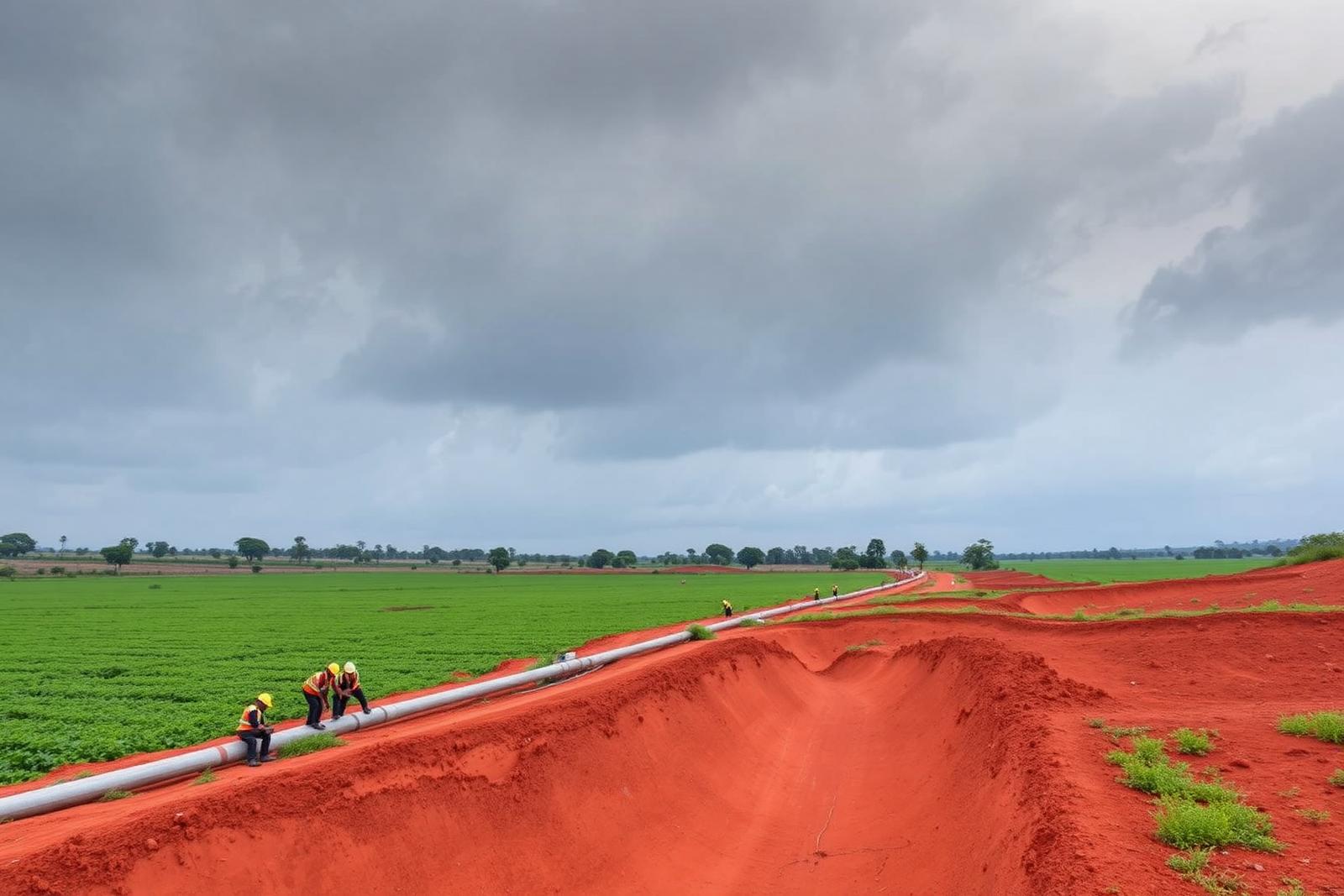
Environmental scientists studying the Rwenzori foothills have linked the frequency of landslides and flash floods to a combination of deforestation on the upper slopes and increasingly erratic rainfall, a pattern that puts heavy industry operating downstream, including cement quarrying, in an unusual position: a contributor to regional land-use pressure and, in moments of crisis, a first responder.
"
We do not expect a cement company to fix the mountain. We do expect it to show up when the mountain moves.
District disaster officer, Kasese
Independent observers say the more durable test of Hima Cement's sustainability commitments will be whether its stated investment in water and environmental restoration extends to catchment protection work upstream of Kasese, rather than relief donations after the fact. That shift, from response to prevention, is the next chapter district officials say they are pressing the company to write.
Evidence & documents
Every claim above is checked against the records below. Open each one to see where it comes from.
01Hima Cement Donates Relief Items to Flood Victims▾