The European Union's Deforestation Regulation now requires geolocation and traceability for every bag of coffee entering the bloc. In the Mbale and Kasese highlands, smallholders say the paperwork is arriving faster than the tools.
By Peter Mugisha..Mbale & Kasese Districts.7 min read
Mbale & Kasese Districts. 2 June 2025.
AccountabilityAgriculture & Trade
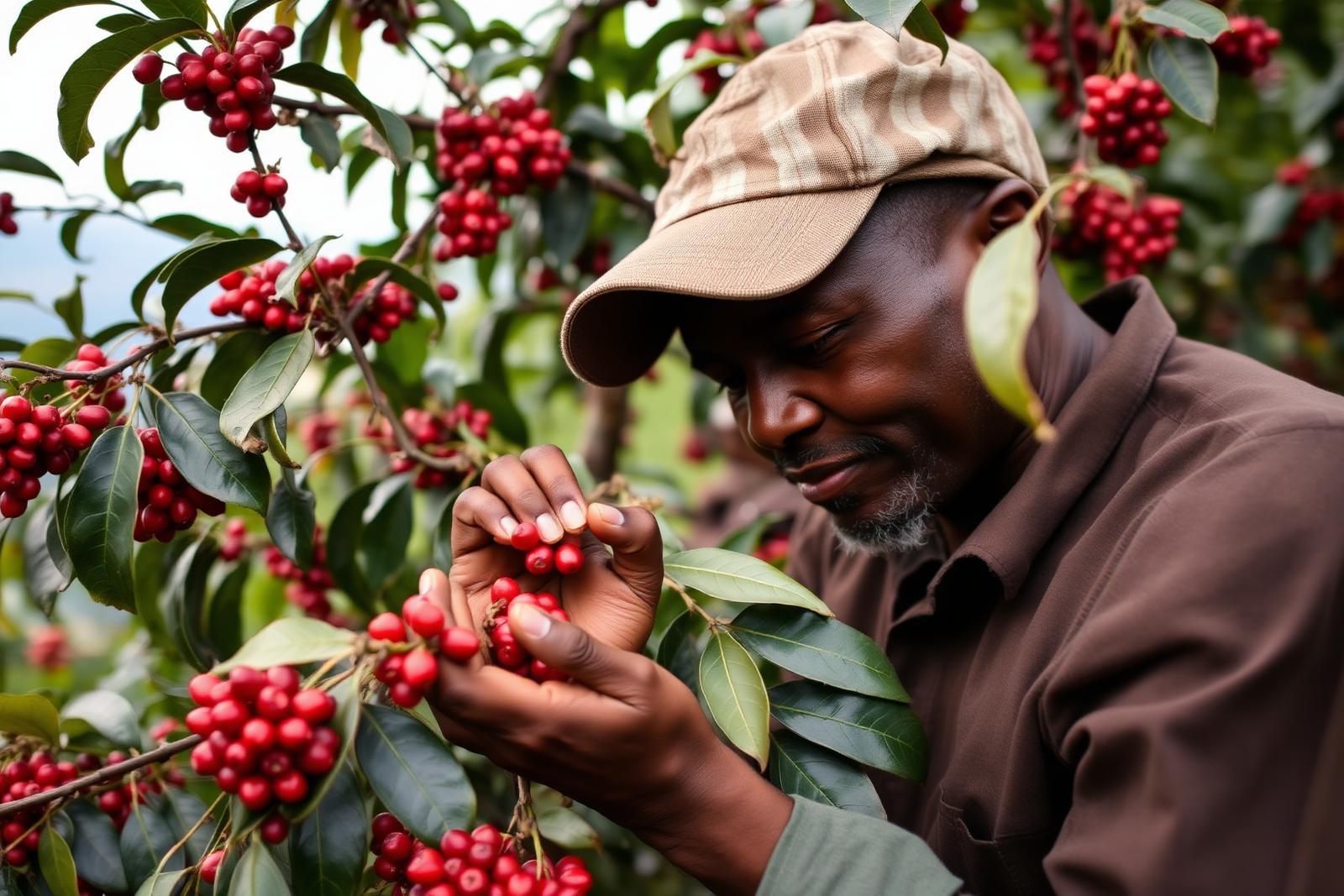
Coffee is Uganda's second-largest export by value and the household income of an estimated 1.8 million smallholder families. Roughly a third of the crop is sold into the European Union. From 30 December 2025, none of it will be allowed into that market unless the exporter can prove, plot by plot, that the beans were not grown on land deforested after December 2020.
The EU Deforestation Regulation (EUDR) is meant to attack the climate cost of imported commodities. Ugandan farmers do not dispute the goal. What they dispute is who pays for the compliance.
The traceability squeeze
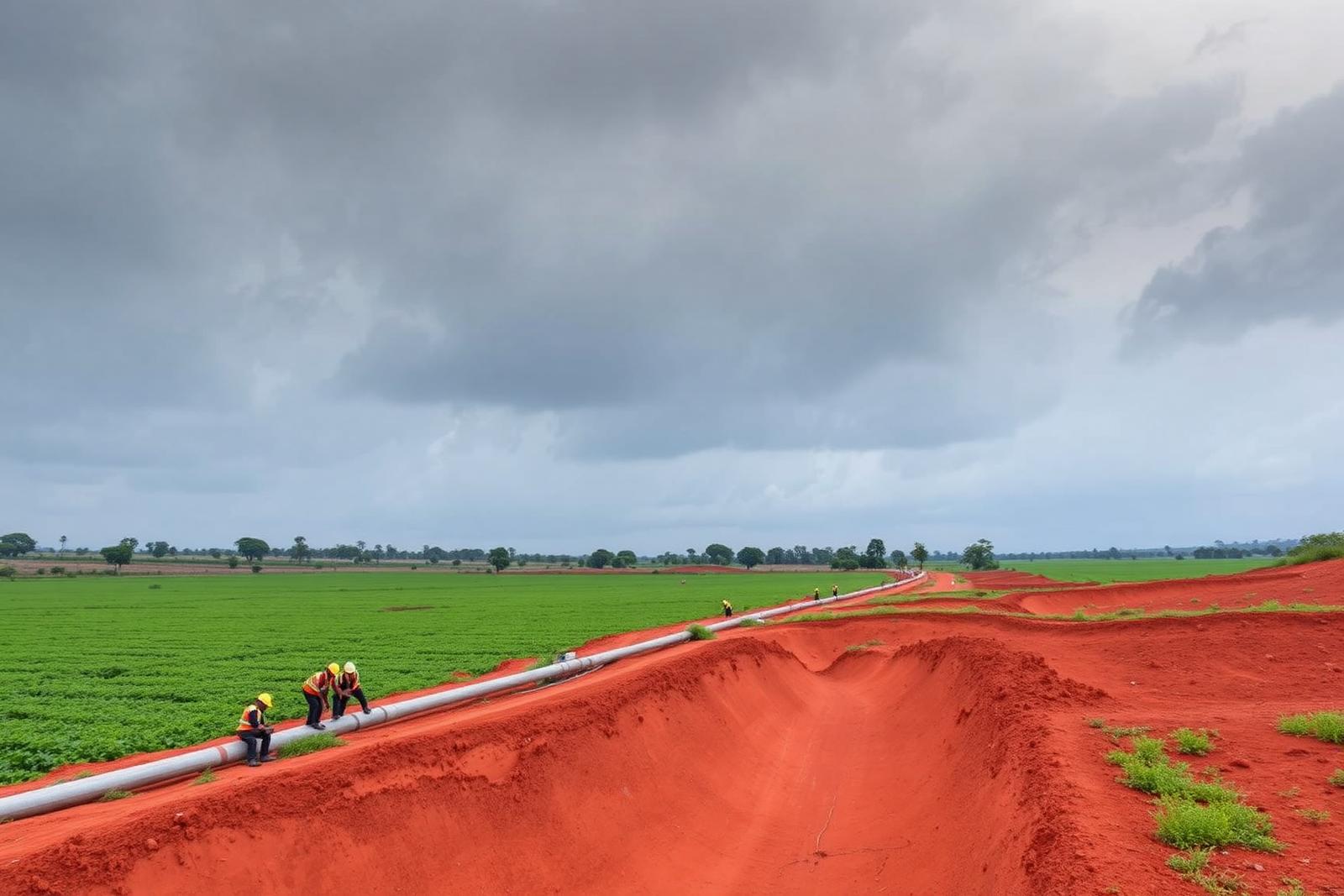
In Mbale's Bugisu sub-region and around Kasese, coffee typically moves from a smallholder to a village agent, to a middleman, to a primary processor, and only then to an exporter. EUDR needs the geolocation of every plot to travel with the beans through that entire chain. NTV Uganda has reported farmers warning that the rollout is arriving faster than the digital tools, extension services and cooperatives must comply.
"
They want a GPS point for each of my trees. I can give it to them. But who pays for the phone, the airtime, the training?
Coffee farmer, Bududa District, quoted in The Independent
What the government is doing
The Uganda Coffee Development Authority (UCDA) has been running a national traceability system pilot and mapping farms with support from partners including the Solidaridad Network and TechnoServe. Officials say more than half of registered exporters can now produce compliant documentation. Independent research published in 2025, including work by Southern Voice, warns that the smallholder end of the chain - most of the actual growers - is still the weakest link.
Field Dispatches
Get our weekly regional audits in your inbox
One email a week from the Kampala, Busia, Hoima and Jinja desks. What we checked, what we saw at the site, and what is still not adding up.
The community stakes
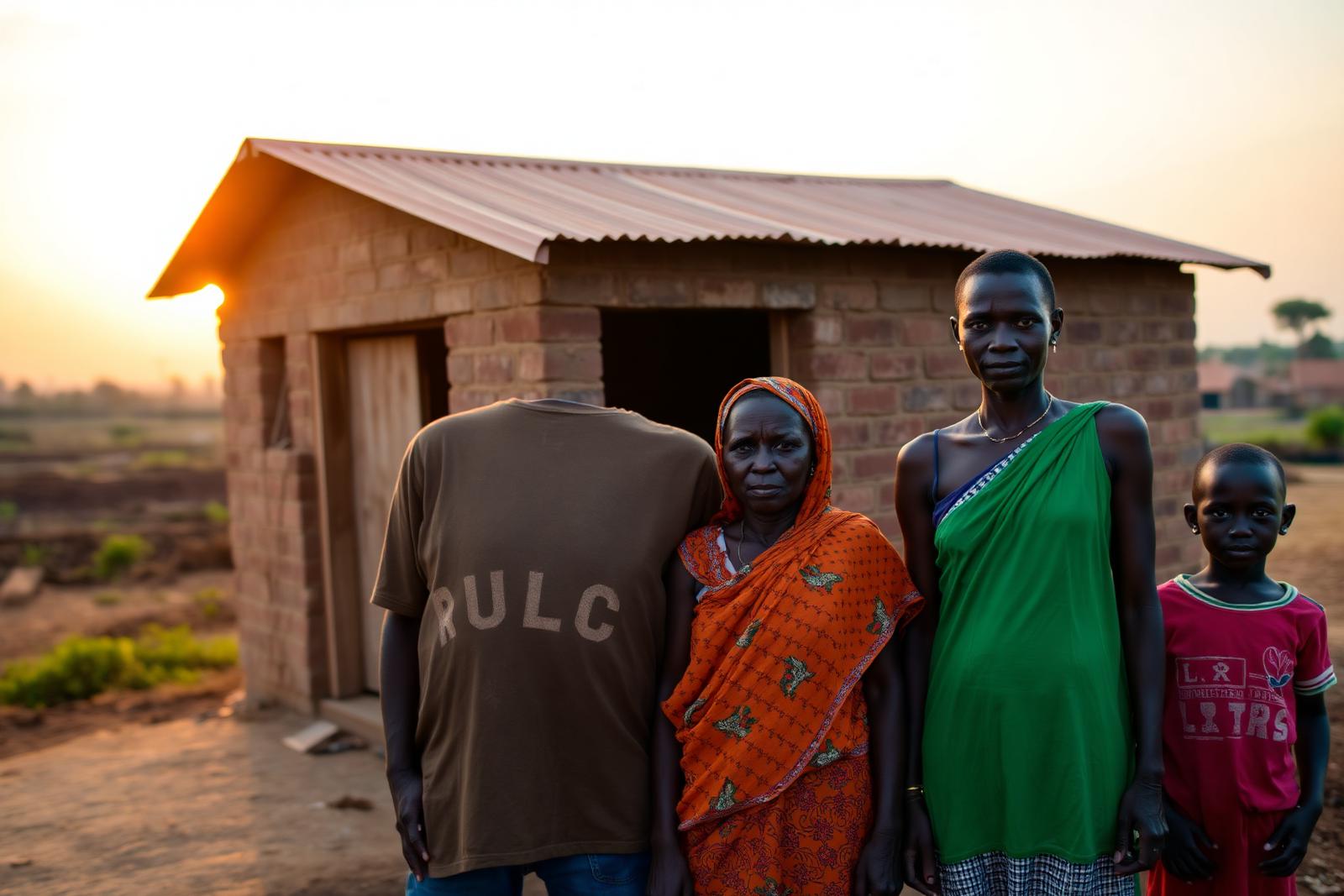
If the transition is handled badly, EUDR risks pushing small farmers into lower-price regional markets while a handful of large exporters capture the EU premium. Handled well, with district-level registration and cooperative buying, it can formalise land rights, reward long-standing agroforestry practice and lift farm-gate prices. Uganda's negotiators in Brussels are asking for a phased approach for smallholders. On the hillsides, farmers are asking for the training to reach them before the deadline does.
Who is expected to pay for compliance
The Uganda Coffee Development Authority has pushed a national traceability platform intended to let exporters bulk-upload smallholder plot data rather than each farmer negotiating directly with EU importers, but rollout across Mbale and Kasese has been uneven. Cooperative leaders say the training needed to use the platform has arrived later than the compliance deadline itself. The European Union has said it will provide technical assistance to smallholder-dependent exporting countries. Even so,farmers on the ground report little of that support reaching the village level yet.
Trade economists note that the EUDR, whatever its environmental merits, risks concentrating Uganda's coffee exports among larger, better-capitalised traders who can absorb the traceability cost, potentially squeezing out the smallest producers from the EU market altogether and pushing their crop toward lower-value regional buyers instead.
"
A regulation written in Brussels to save forests should not end up deciding which Ugandan farmer gets to sell to Europe.
Trade policy analyst, Kampala
What analysts are watching for is whether the December 2025 deadline produces a measurable shift in where Uganda's coffee is sold. Whether the government's traceability platform reaches critical mass in the highlands before smallholders are effectively priced out of their largest export market.
Evidence & documents
Every claim above is checked against the records below. Open each one to see where it comes from.
01EUDR threatens market access for Ugandan coffee farmers▾