In West Nile, the Classroom Is Where the Funding Cut Lands First
Settlement schools are absorbing more pupils on smaller budgets, and host community children are in the same rooms.
By Emmanuel Draku..West Nile.6 min read
West Nile. 21 July 2026.
AccountabilityEducation
Uganda's settlement model keeps refugee and host community children in shared schools. That is its strength, and it is also why a funding shortfall is felt on both sides of the register.
Ratios that do not work
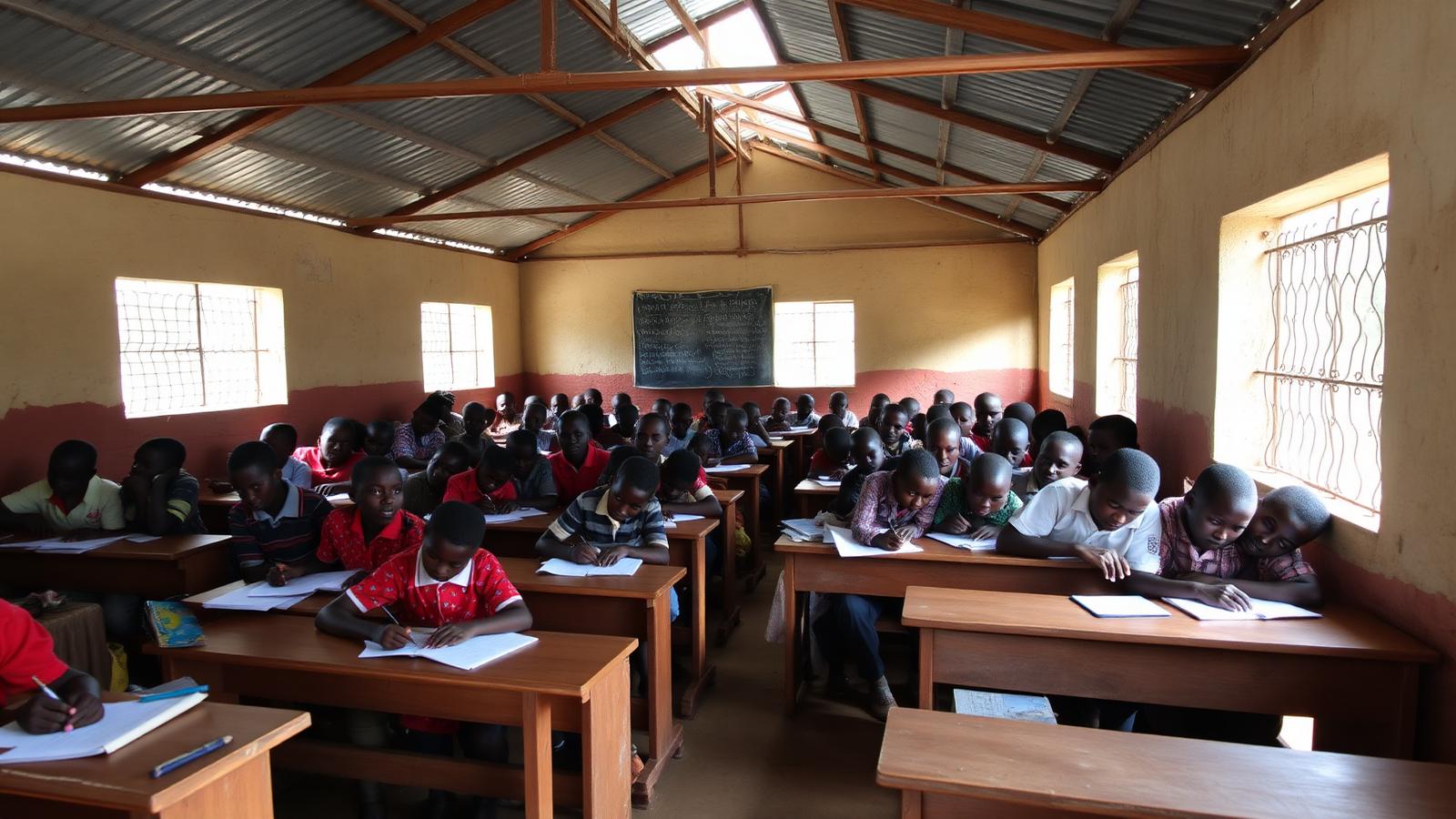
Head teachers describe classes well beyond any workable pupil-teacher ratio, with lessons split into shifts and the youngest classes taught outdoors when rooms run out.
"
We are not short of children who want to learn. We are short of rooms, desks and teachers on payroll.
Head teacher, settlement primary school, West Nile
District education officers say the most durable investment is a teacher on the government payroll rather than a short-term stipend, because the stipend disappears with the grant cycle.
Field Dispatches
Get our weekly regional audits in your inbox
One email a week from the Kampala, Busia, Hoima and Jinja desks. What we checked, what we saw at the site, and what is still not adding up.
A funding model built on annual appeals
Education support for settlement schools in West Nile is financed largely through humanitarian appeals renewed annually, a structure that district education officers say makes it difficult to plan permanent teacher recruitment. This is becausea stipend funded by a one-year grant cannot be converted into a payroll position without a longer commitment from either government or donors.
Head teachers in Arua and Yumbe districts describe host community enrolment rising alongside refugee enrolment in the same schools, partly because settlement schools are often better resourced with classroom blocks and materials than neighbouring host community schools, which draws in local children whose parents see the settlement school as the stronger option nearby.
"
When the grant is renewed late, we lose teachers before term starts, and they do not always come back once they have found something more stable.
District education officer, West Nile
UNHCR and the Ministry of Education have discussed integrating a share of settlement teachers onto the government payroll over time, a shift education officers describe as the single change most likely to stabilise staffing. Even so,it needs budget commitments that have moved slowly through successive planning cycles.
For now, the shortfall lands where it always has: in class sizes that head teachers say they can manage for a term, but not indefinitely, without either more classrooms or more names on the payroll.
Evidence & documents
Every claim above is checked against the records below. Open each one to see where it comes from.