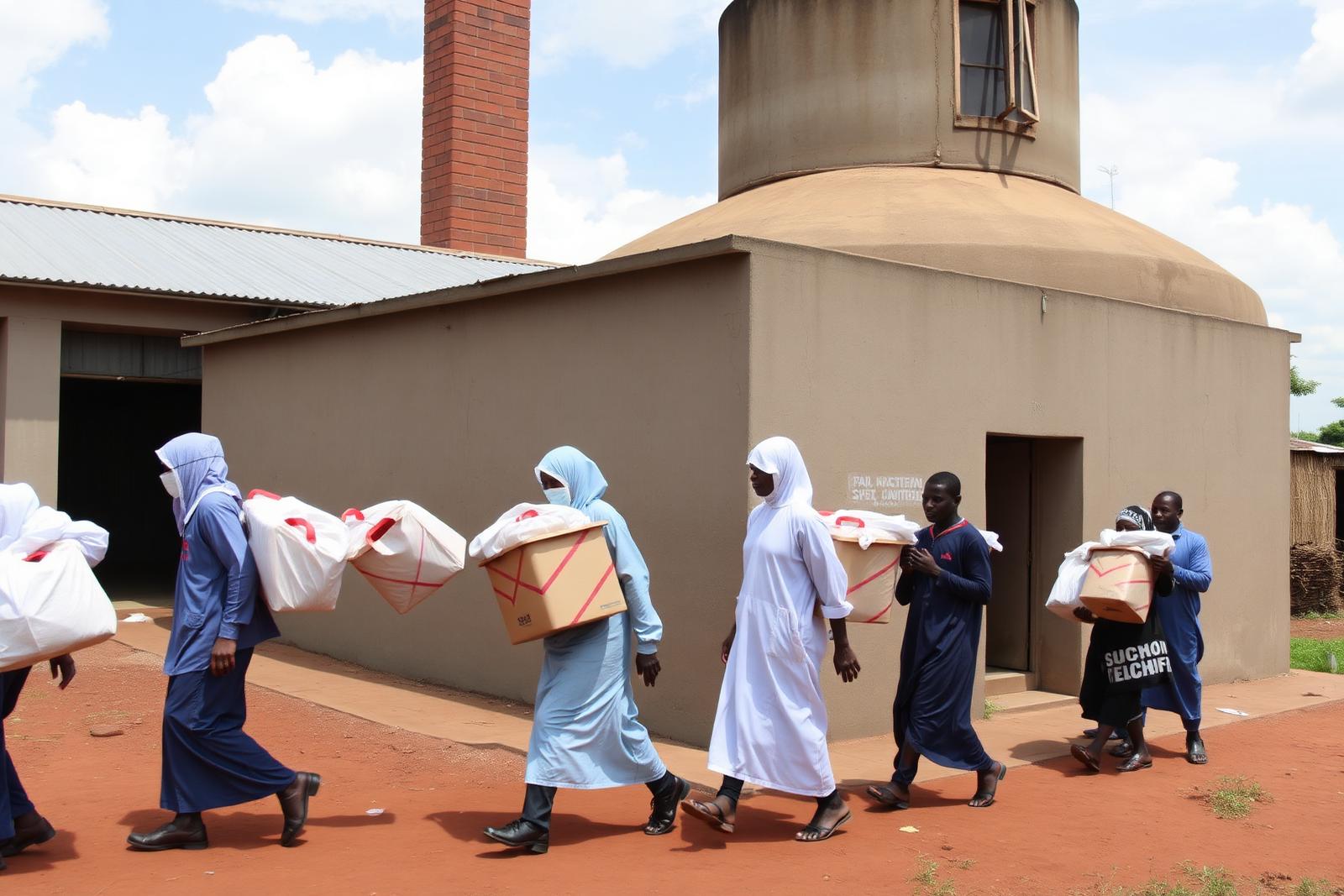
For most health centre IIIs in Uganda, medical waste disposal has meant a brick pit behind the ward, a drum, or an incinerator that stopped working several budgets ago. Sharps, dressings and expired medicines are burned at low temperature or buried, sometimes within a fence a child can step through.
The Ministry of Health says five regional incinerators, at Gulu, Lira, Fort Portal, Mbarara and Masaka, are in their final construction phase. Expects them to handle a national backlog reported in the tens of millions of kilos. If they run as designed, it is the most big change to healthcare waste handling in years.
Why the pit behind the ward is a public health problem
Low temperature burning of medical waste releases dioxins and leaves partially destroyed sharps that are then scavenged or scattered. World Health Organization guidance sets minimum combustion temperatures exactly because the alternative creates a second hazard while removing the first. Facility staff are usually well aware of this and have had no other option.
Nurses in the northern districts described the routine: segregation at the ward is taught and largely practised, then everything converges on the same pit because that is where the trolley goes.
We separate the sharps properly. Then they meet the same fire as everything else. That is the part no training fixes.