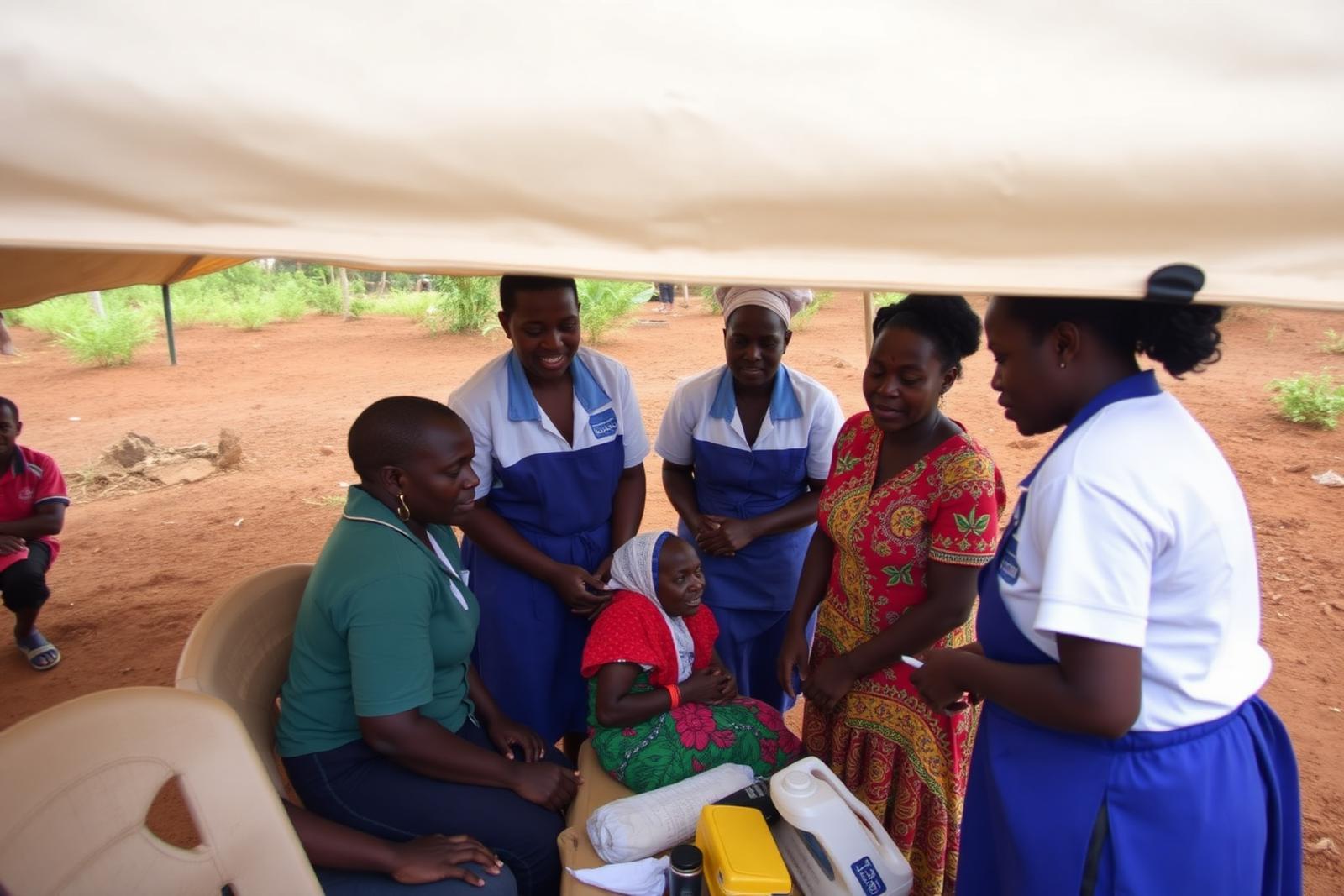
In Adjumani, Yumbe and Terego, refugee arrivals continue and the funding gap widens. LivingWellUganda visits three health centres serving both refugee settlements and Ugandan host villages.
By Peter Ssemakula..Adjumani, Yumbe & Terego Districts.7 min read
Adjumani, Yumbe & Terego Districts. 22 April 2026.
AccountabilityHealth & Communities
The refugee response in West Nile has never truly slowed. Two years of successive funding shortfalls at the Uganda Refugee Response Plan level have now started to show up in the places that matter most: the outpatient queue, the maternity ward, the antimalarial stock card.
The health centre as the shared institution
Uganda's settlement model integrates services, so the health centre serving Bidibidi settlement in Yumbe also serves the Ugandan sub-county around it, when drug supply thins, both populations feel it at the same window. Clinical officers we spoke to describe rationing consultations rather than turning patients away.
"
We do not ask who is a refugee and who is a host. We ask what is in stock this morning.
Clinical officer, health centre III, Adjumani
What district officials want put first
District health officers are consistent: predictable medicine supply through the National Medical Stores pipeline, a top-up staffing budget that recognises the population load. A maintenance line for the water and sanitation infrastructure that keeps outbreaks off the ward.
Field Dispatches
Get our weekly regional audits in your inbox
One email a week from the Kampala, Busia, Hoima and Jinja desks. What we checked, what we saw at the site, and what is still not adding up.
The financing gap behind the queue
UNHCR's Uganda country operation has repeatedly flagged funding shortfalls against its published Refugee Response Plan targets, a gap that has widened as global humanitarian budgets have been stretched by crises elsewhere. The Office of the Prime Minister's Department of Refugees, which co-manages the settlement model with UNHCR, has said it is lobbying donors directly for health-sector top-ups, but officials concede the timeline for any relief is measured in budget cycles, not weeks.
Public health researchers studying Uganda's integrated settlement model note that its strength, shared services between refugees and host communities, is also its vulnerability: a funding shortfall does not stay contained within the settlement boundary, it spreads across the same catchment population the health centre was built to serve.
"
This model was designed to avoid parallel systems. It was not designed to survive both systems being underfunded at once.
Public health researcher, Gulu
The next marker to watch is whether the 2026 Refugee Response Plan appeal closes its funding gap before the dry season peak in outpatient demand, or whether district health officers are forced into another round of rationing consultations rather than turning patients away outright.
Evidence & documents
Every claim above is checked against the records below. Open each one to see where it comes from.