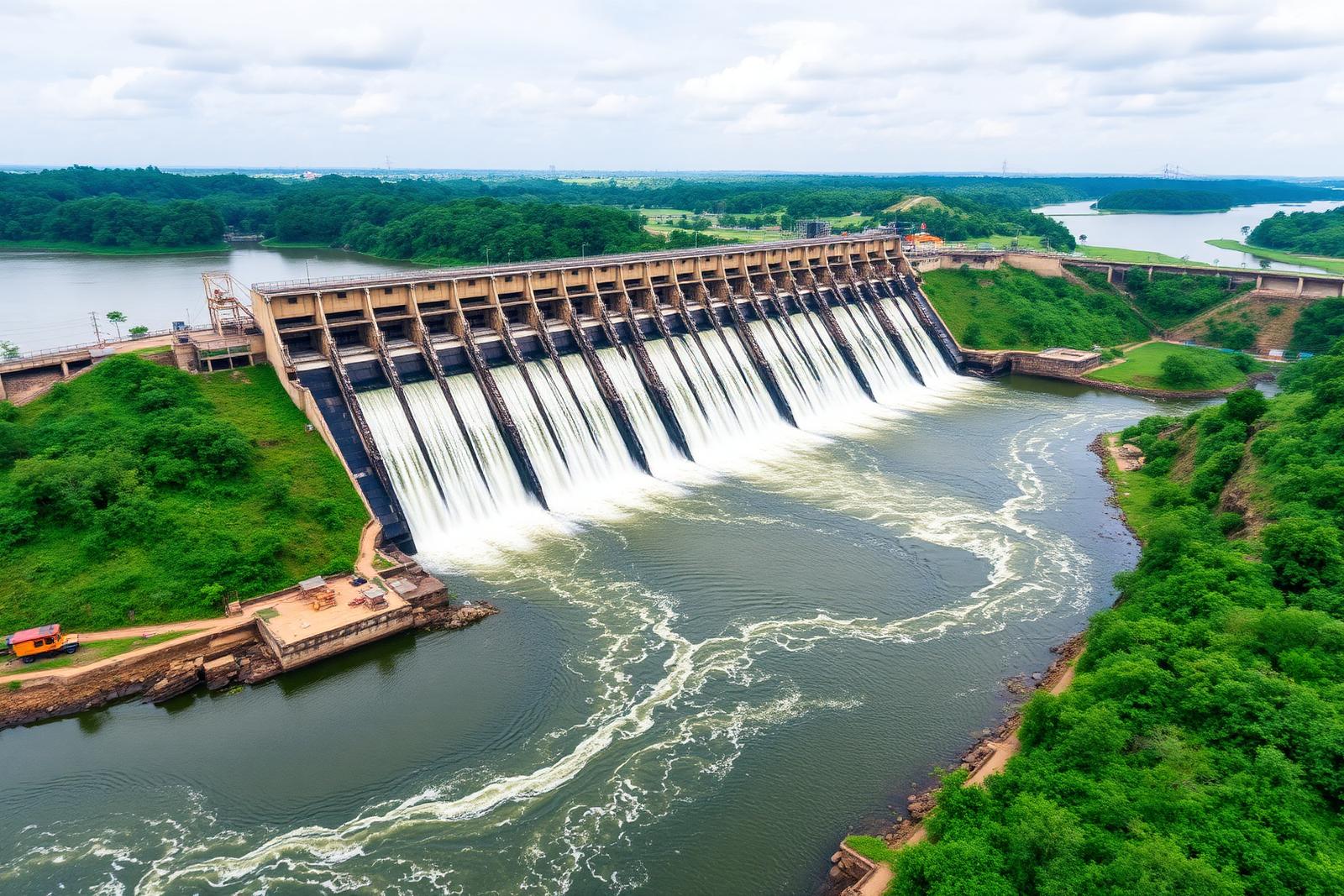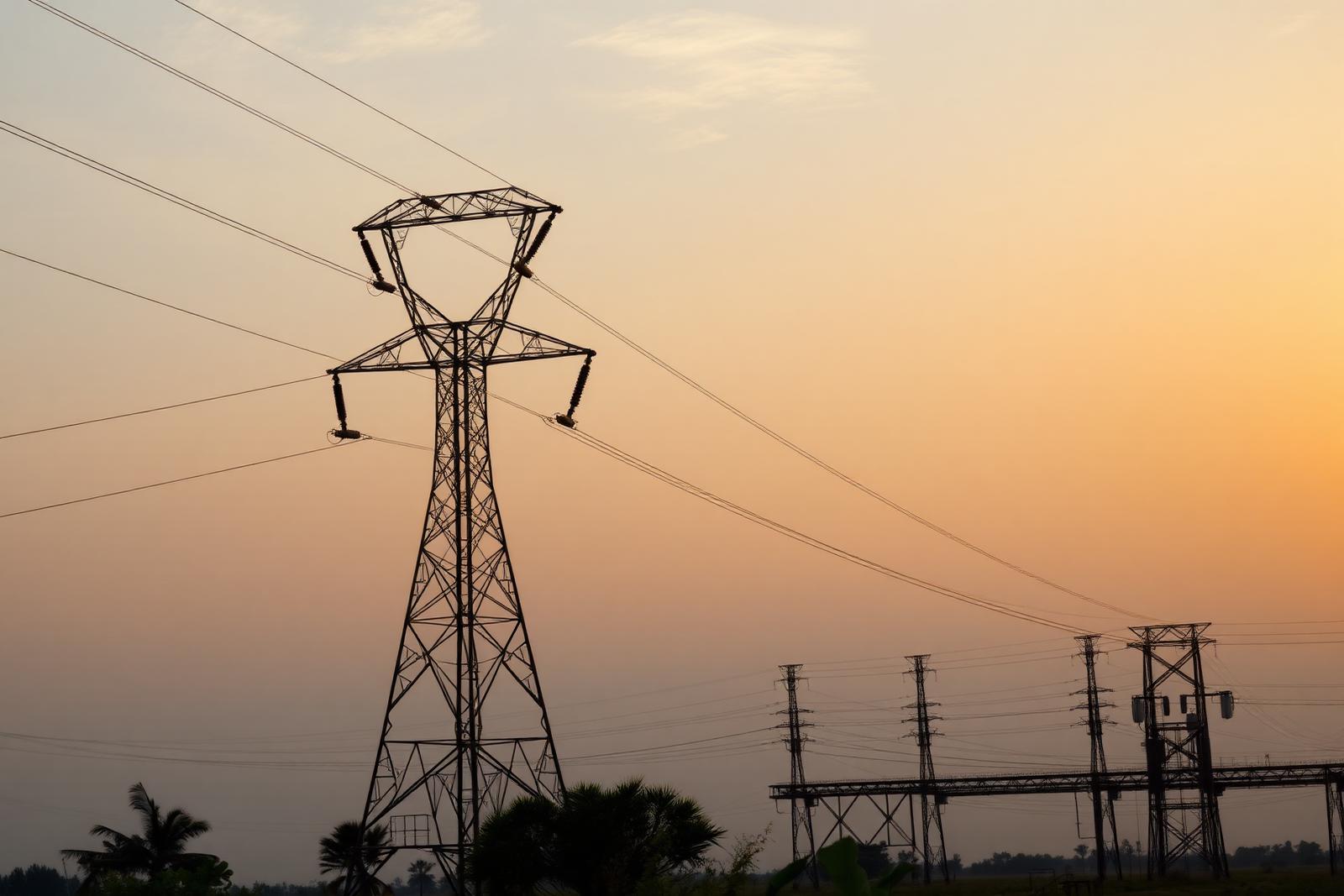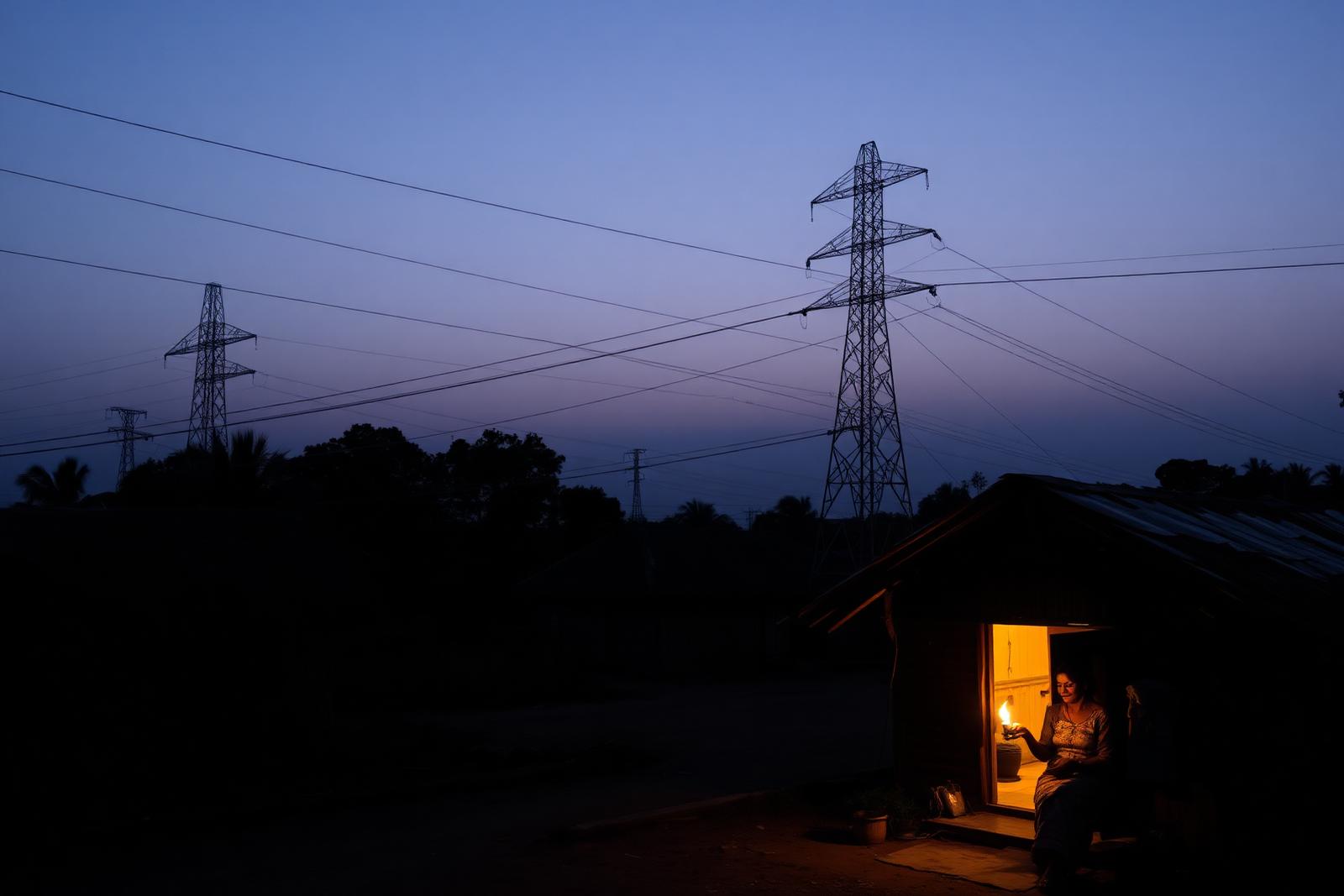
The Kiira and Nalubaale stations at Jinja have generated power for the national grid for decades, and the lines that carry it run directly over villages in Kamuli, Buyende and Luuka. In several of those villages, evening light still comes from a paraffin lamp or a rented solar lantern.
The Daily Monitor reported this week that thousands of residents across the Busoga sub-region remain unconnected despite hosting the country's largest installations. Officials do not dispute the picture. They describe it as a distribution problem rather than a generation one, which is accurate and, to households under the pylons, beside the point.
Why a transmission line is not a connection
High voltage lines cannot be tapped locally. A household needs a low voltage network, a transformer within reach, a service drop and a meter. Each of those is a separate budget line, and the last hundred metres is where the money usually runs out. District officers told us transformer applications from trading centres can sit for a year or more while the utility works through its list.
The Electricity Connections Policy was designed to remove the upfront cost barrier, and it did expand connections much after 2018. Its funding cycles have been uneven, and successive audits have flagged materials shortages and slow contractor mobilisation as the recurring bottleneck. UEDCL, which took over distribution from Umeme in 2025, inherited both the backlog and the expectation.
We hear the transformer humming from the road. The children still do homework by lamp. That is what people mean when they call it a paradox.