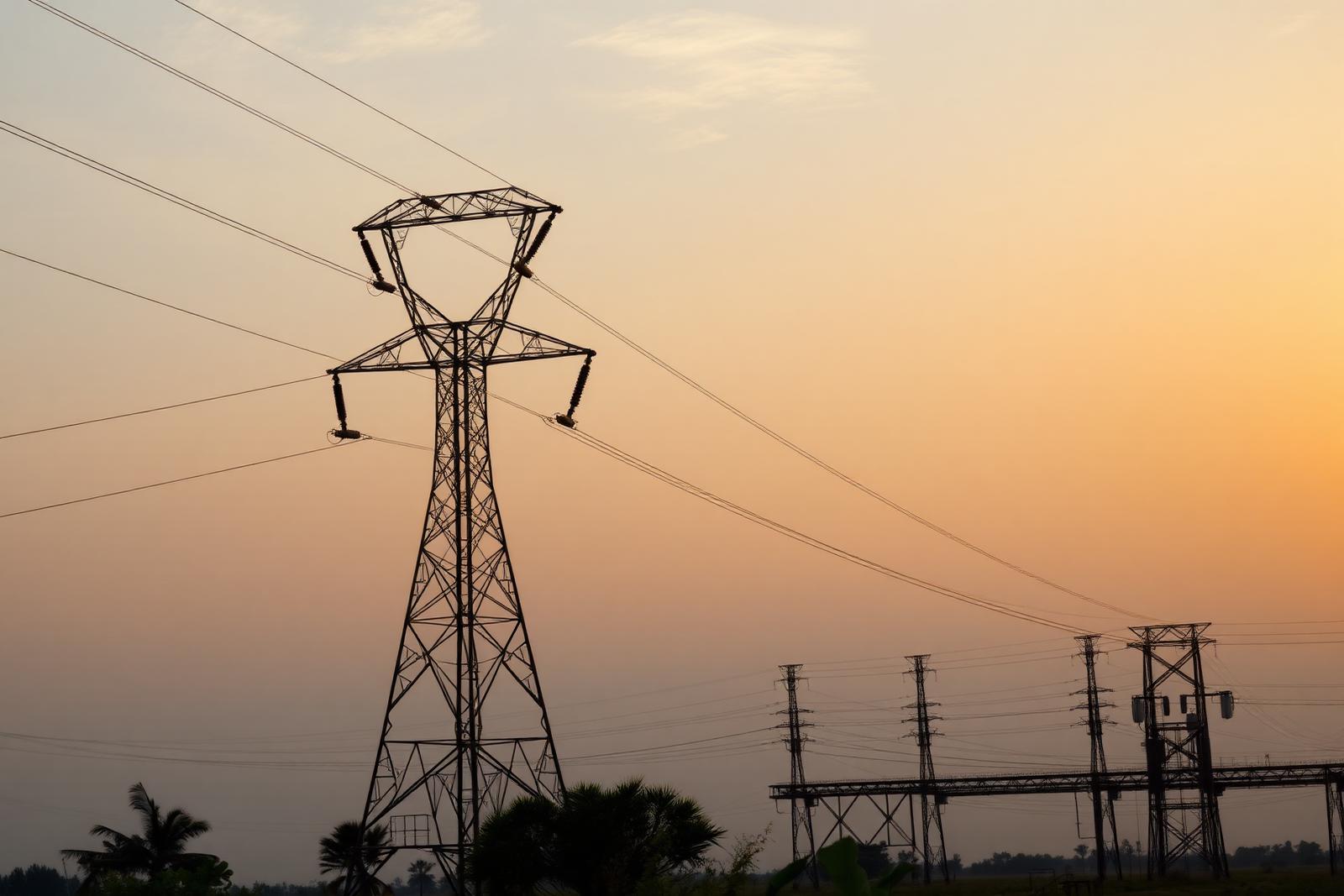
After twenty years of private distribution, Umeme has handed Uganda's power grid back to the state utility. LivingWellUganda unpacks what it means for tariffs, reliability and the communities still off-grid.
By Grace Nabirye..Kampala.6 min read
Kampala. 8 April 2025.
MixedEnergy & Infrastructure
On 31 March 2025, twenty years to the day after it took over Uganda's electricity distribution, Umeme Limited handed the network back to the state-owned Uganda Electricity Distribution Company Limited (UEDCL). The government released a $118 million payment to cover Umeme's unrecovered investments and the switch went live at Umeme's Lugogo headquarters the following Monday.
What the concession delivered - and what it did not
When Umeme signed the concession in 2005, only about 9% of Ugandans had grid electricity. Two decades later, connections have expanded past 2 million customers and technical losses have fallen from more than 38% to roughly 16%, according to figures cited by the Electricity Regulatory Authority (ERA). Reliability in the industrial centres of Kampala and Jinja improved markedly.
But rural coverage still lags. Households in Karamoja, parts of West Nile and the islands of Lake Victoria remain largely off-grid, dependent on solar home systems or generators. And even connected households report tariffs that consume a painful share of monthly income, a complaint that dominated public hearings in the concession's final years.
"
The lights are on more often than they were in 2005. But the bill is what people talk about, not the meter.
Small trader, Nakawa Market, Kampala
What UEDCL now inherits
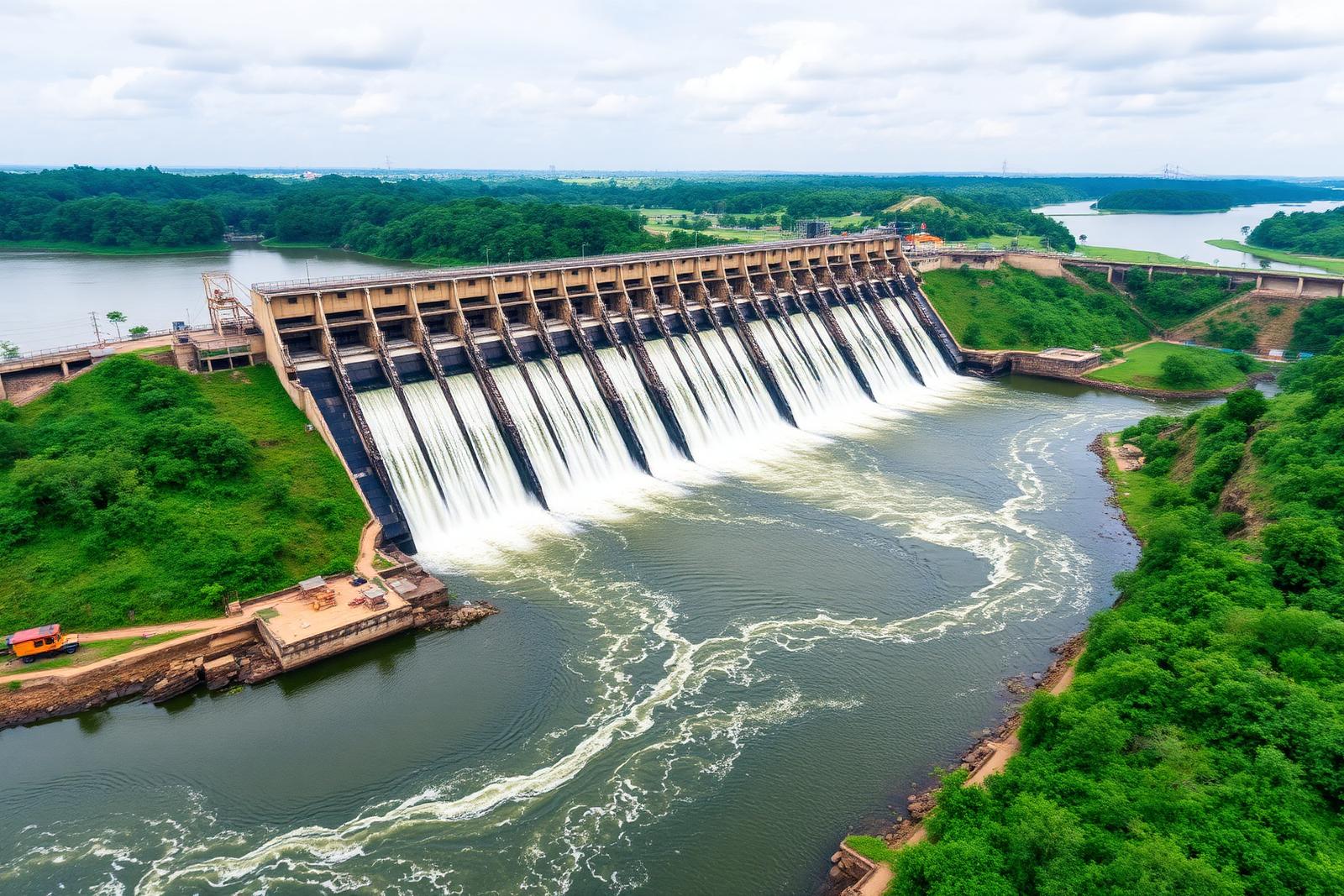
UEDCL takes on Umeme's staff, the distribution assets and a mandate to keep tariffs steady while extending the grid. It also inherits the pressure of matching new generation coming online from Karuma (600 MW) and Isimba, plus a pipeline of solar and mini-hydro projects. Independent analysts writing in The Conversation have warned that the state utility must guard against a return to the political-patronage hiring and non-payment culture that plagued its predecessor before 2005.
Field Dispatches
Get our weekly regional audits in your inbox
One email a week from the Kampala, Busia, Hoima and Jinja desks. What we checked, what we saw at the site, and what is still not adding up.
The community picture
For the villages LivingWellUganda visits most - Busia, Buliisa, Hoima, Kikuube - the immediate question is whether last-mile connections speed up. The Electricity Connections Policy has subsidised free connections for millions of households since 2018, but installation waits of six to twelve months are still routine. UEDCL's first published targets promise to shorten that. Whether it does will be one of the clearest tests of the handover.
The regulator's balancing act
The Electricity Regulatory Authority now carries the task of holding UEDCL to the same performance standards that governed Umeme's concession, without the contractual penalty structure that once gave the regulator direct commercial use over a private operator. ERA officials have said publicly that quarterly tariff reviews will continue on schedule. And thatthe transition period is being used to benchmark UEDCL's loss-reduction and connection targets against Umeme's final-year figures.
Independent energy economists caution that state utilities elsewhere in East Africa have struggled to sustain the collection discipline and least-cost buying habits built up under private concessions, especially once political pressure to keep tariffs flat collides with the capital spending needed to maintain an ageing network.
"
Ownership changed hands in a day. The habits that make a grid reliable take years to either keep or lose.
Energy sector economist, Kampala
For now, UEDCL's published first-quarter figures show broadly stable losses and connection rates, but the utility has yet to publish the kind of granular, district-level dashboard that district engineers and consumer groups say they need to judge whether the handover is improving service where it matters most: at the rural trading centre still waiting for its meter.
Evidence & documents
Every claim above is checked against the records below. Open each one to see where it comes from.
01Umeme receives $118 million from Uganda for unrecovered investments▾
Grace Nabirye investigates land, water and energy projects and how they land on households. She has long-running coverage of the Albertine oil region, including company jobs and community health programmes there, and of Kampala water supply.