The Charcoal Crackdown Saved Trees and Took Incomes With It
Enforcement in the north has slowed commercial cutting. Households that depended on the trade are still looking for the replacement.
By Grace Adokorach..Northern Uganda.5 min read
Northern Uganda. 29 June 2026.
MixedEnvironment
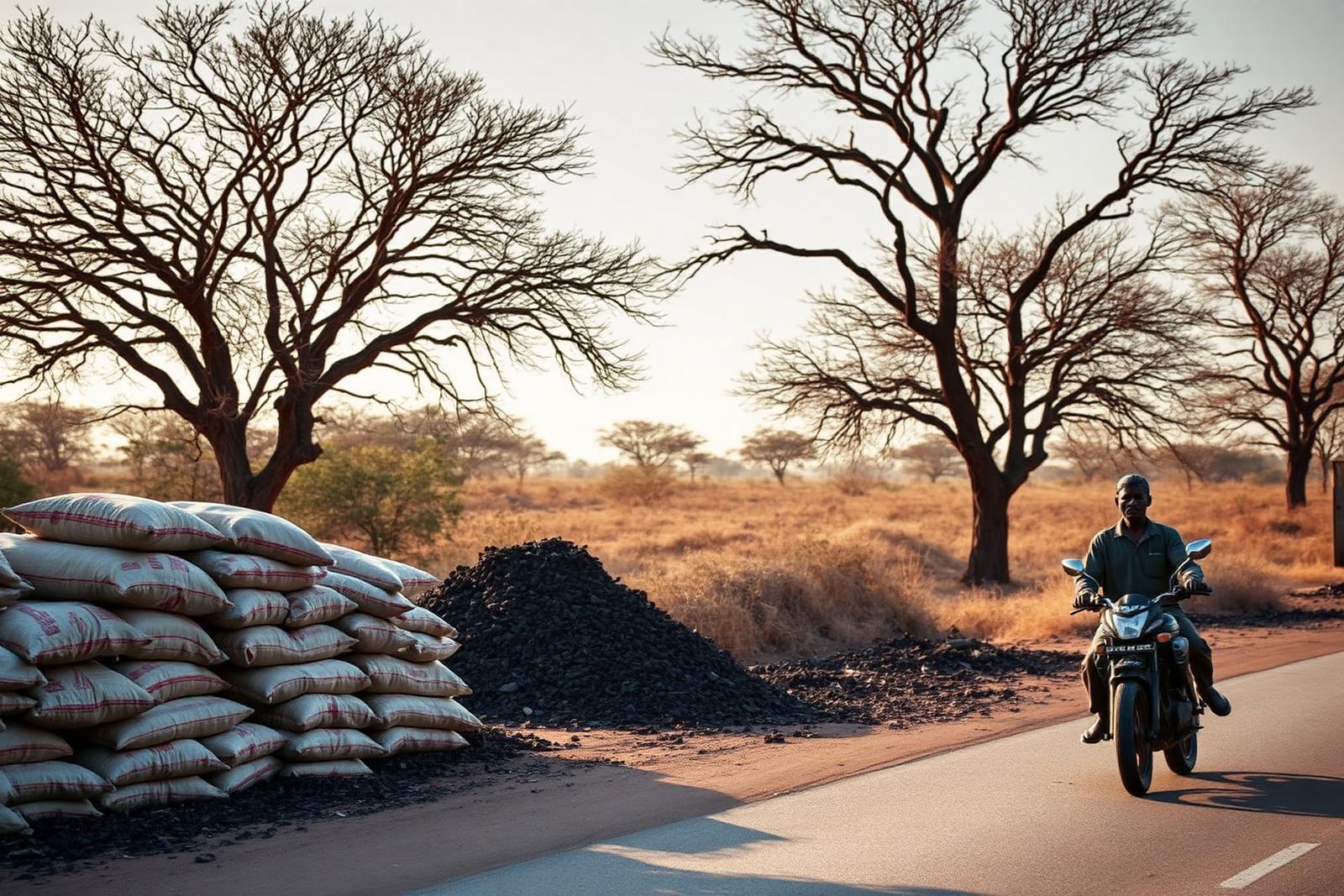
Commercial charcoal moved north when the central woodlands thinned. Enforcement followed, and lorry traffic on the main routes fell noticeably.
The gap underneath
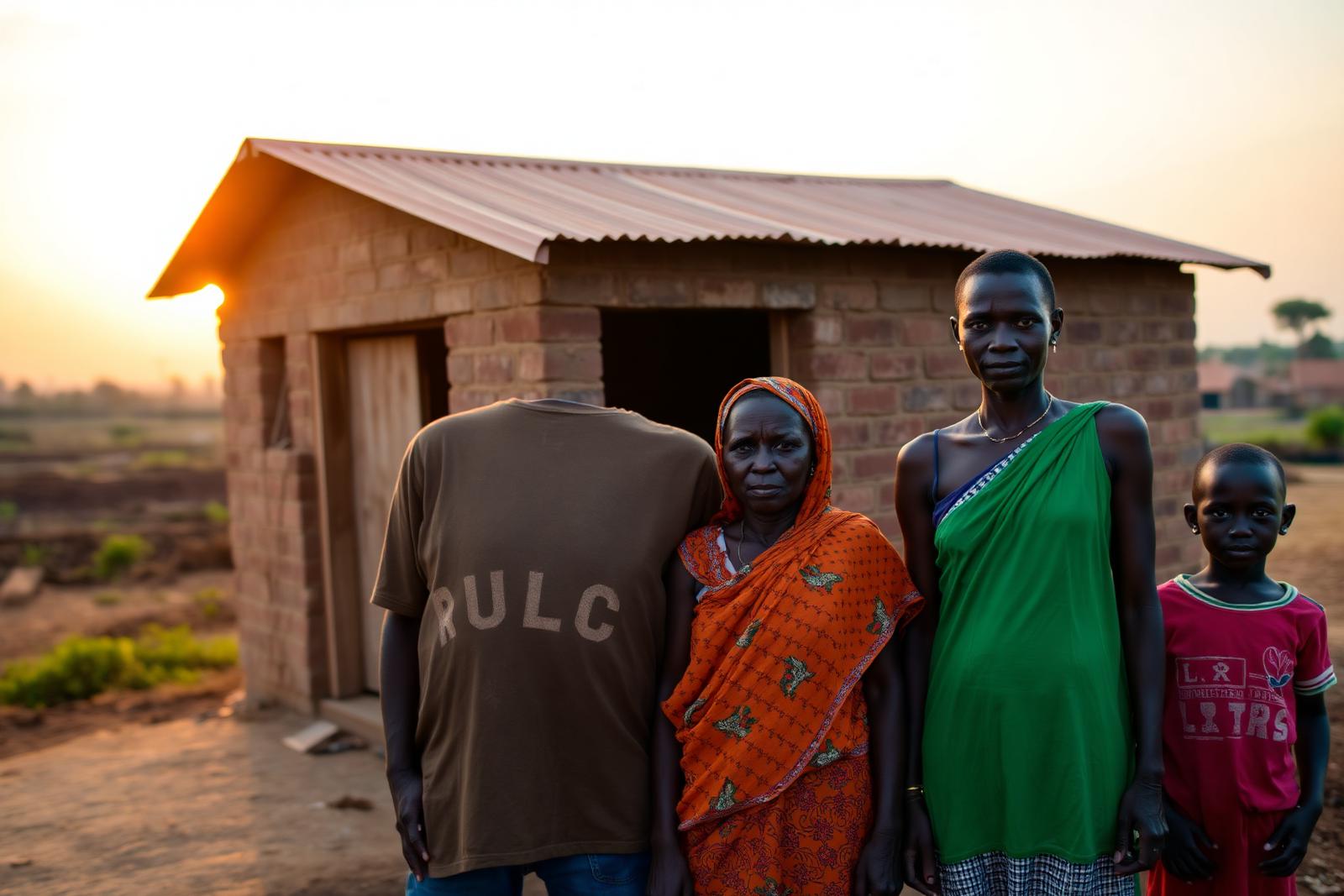
For households, charcoal was the cash crop that did not need rain. Removing it without a replacement pushes the same families towards clearing for cultivation, which is not obviously better for the woodland.
"
You cannot ban an income. You can only replace it.
Local council chairperson, northern Uganda
Officials point to briquette production, improved cookstoves and woodlot schemes, though uptake depends on a functioning market for the output rather than a launch event.
Field Dispatches
Get our weekly regional audits in your inbox
One email a week from the Kampala, Busia, Hoima and Jinja desks. What we checked, what we saw at the site, and what is still not adding up.
The replacement income that has not fully arrived
The National Forestry Authority has framed enforcement in the north as necessary to slow deforestation rates that had accelerated sharply once commercial charcoal production moved north from the depleted central woodlands. Lorry counts on the main trunk routes have fallen since enforcement intensified, which officials cite as evidence the crackdown is working as intended.
Local leaders do not dispute the environmental logic but say the livelihood side of the policy has moved more slowly than the enforcement side. Briquette production and improved cookstove schemes have been piloted in several districts, but uptake depends on a functioning local market for the product. It has not developed uniformly.
"
Nobody buys a briquette from us if firewood is still cheaper at the roadside. The market has to exist before the alternative works.
Woodlot cooperative member, northern Uganda
Some households displaced from charcoal production have shifted towards clearing additional land for cultivation, a substitution environmental officers admit is not obviously an improvement for woodland cover, even if it falls outside the specific charcoal restrictions being enforced.
District production offices say the woodlot schemes intended as a long-term replacement crop are still several years from maturity. It leaves a livelihood gap in the interim that enforcement alone has not addressed.
Evidence & documents
Every claim above is checked against the records below. Open each one to see where it comes from.
Grace Adokorach covers energy access in northern Uganda, from mini-grids and solar home systems to cooking fuel, and she follows the national distribution and tariff changes that reach those same households.