Kampala's Settlement Sanitation Gap Is Still the City's Sharpest Health Risk
Shared latrines, blocked channels and rented taps: why the capital's densest parishes carry the heaviest waterborne disease burden.
By Prossy Nabukenya..Kampala.6 min read
Kampala. 6 August 2026.
AccountabilityWater & Sanitation
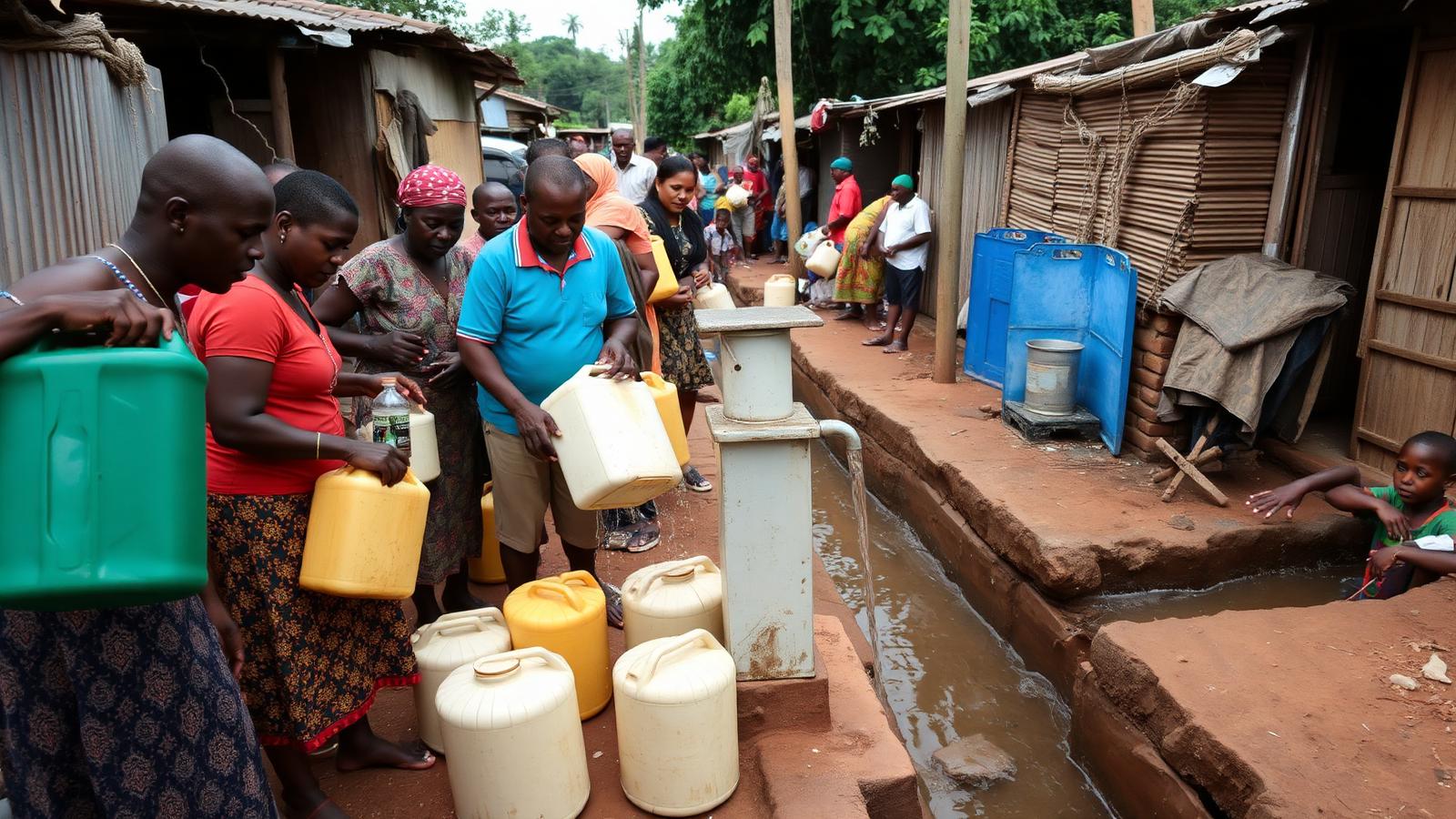
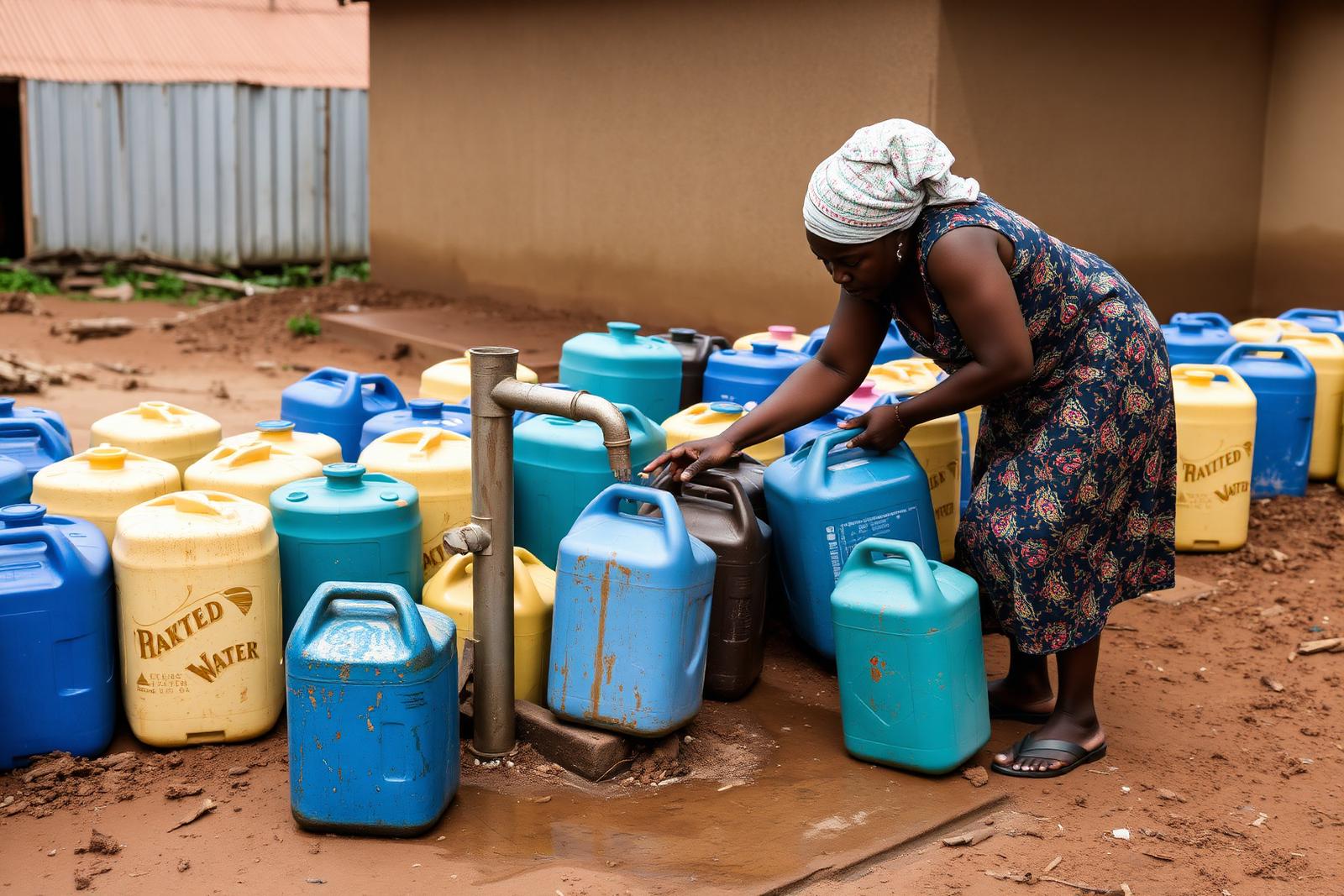
In the low-lying parishes off the Nakivubo channel, water arrives as a buy rather than a service. Households buy by the jerrycan from a neighbour who holds the meter, and the price rises the moment supply is interrupted upstream.
Sanitation follows the same logic. A single lined latrine can serve forty households, emptying is priced per trip, and the cheapest disposal route in a wet week is the channel that runs past the front door.
Why the risk concentrates
Waterborne outbreaks in the capital have rarely been about the absence of a treatment plant. They follow the last hundred metres: storage in open containers, cross-contamination in flooded compounds, and the interval between a tap going dry and the return of pressure.
"
We do not have a water problem in the abstract. We have a storage and drainage problem, and it repeats every rainy season.
Parish health assistant, Kampala Central Division
What would actually shift it
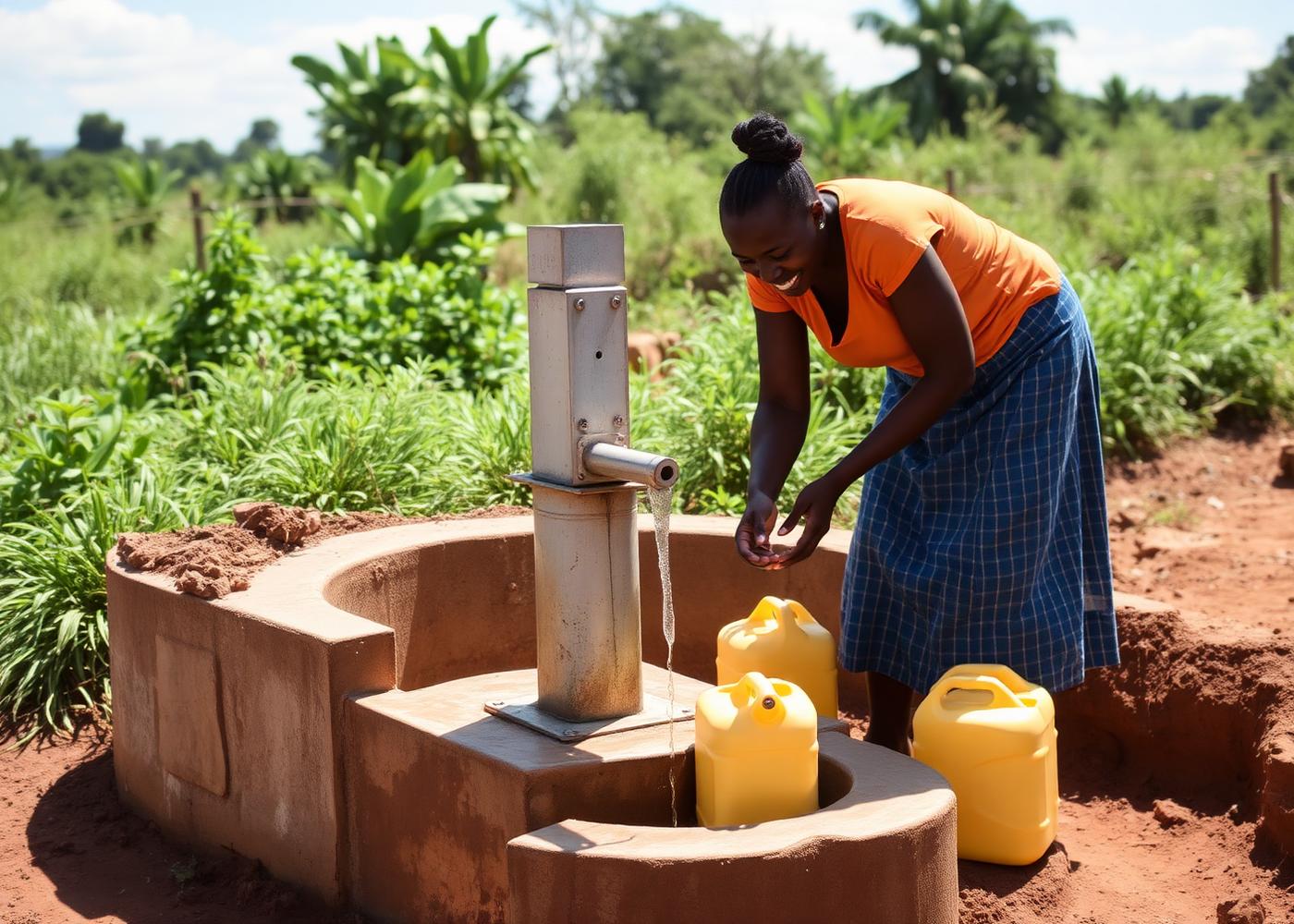
Public health officers point at three unglamorous fixes: metered communal points priced at the utility tariff rather than the reseller's, scheduled desludging that landlords cannot opt out of. Drainage clearing before the rains rather than during them.
Field Dispatches
Get our weekly regional audits in your inbox
One email a week from the Kampala, Busia, Hoima and Jinja desks. What we checked, what we saw at the site, and what is still not adding up.
Who pays for the last hundred metres
KCCA's public health budget for informal settlements has grown on paper in recent years, but division engineers say the budget rarely survives contact with a rainy season. Emergency desludging after a channel bursts eats into funds that were meant for scheduled maintenance, so the division ends the year having spent the money reactively rather than preventively.
Landlords in the affected parishes are legally required to provide adequate sanitation, but enforcement is thin where a compound houses forty tenants on a single title. Tenants told us they raise the state of the latrine with the landlord only when it overflows, by which point the cost of a fix has multiplied.
"
The bylaw exists. What is missing is somebody whose job is to walk the parish and check the latrine before the rains, not after the outbreak.
Community health volunteer, Kampala Central Division
Cholera cases in the capital have historically clustered in a handful of parishes that repeat year on year, which public health officers say should make them the most predictable outbreak in the country rather than the most surprising. Predictability, they argue, is an argument for pre-positioned response rather than for accepting the pattern as normal.
The coming dry season is the window district teams are watching most closely: it is when desludging trucks can reach compounds that flood shut for months, when drainage clearing actually holds until the next rains test it.
Evidence & documents
Every claim above is checked against the records below. Open each one to see where it comes from.
Prossy Nabukenya reports on water, sanitation and public health in Kampala's densest parishes, with a focus on how utility policy is experienced at household level.