Mbale Rebuilds Its Water Network, One Washed-Out Crossing at a Time
Repairs after the Manafwa floods have restored supply to most of town. The hillside parishes are still waiting.
By Herbert Wanyama..Mbale District.5 min read
Mbale District. 9 July 2026.
ProgressWater & Sanitation
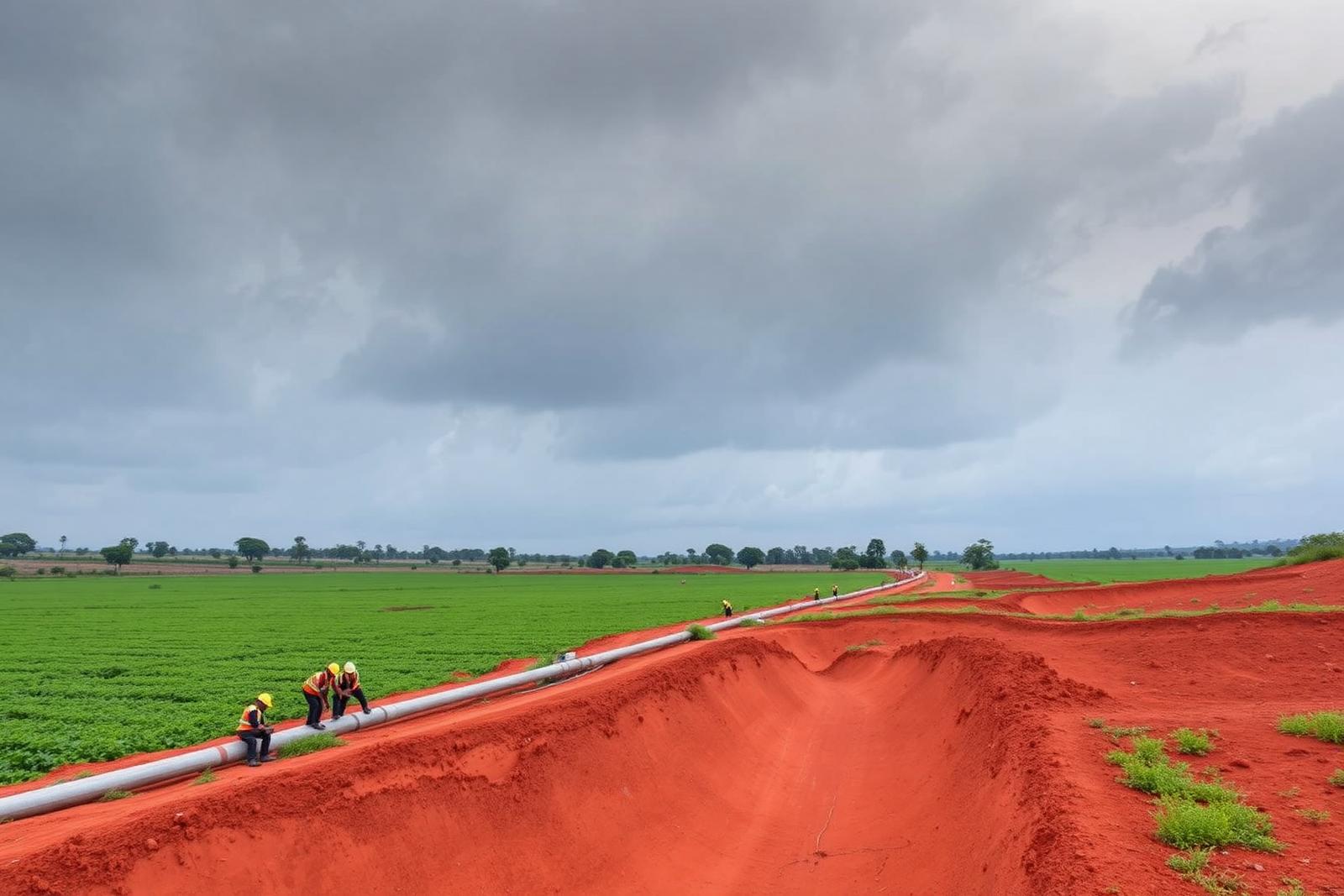
Floods break water systems in a specific order: intake works first, then river crossings, then the distribution lines that were laid along the same low ground as the road.
What has been restored
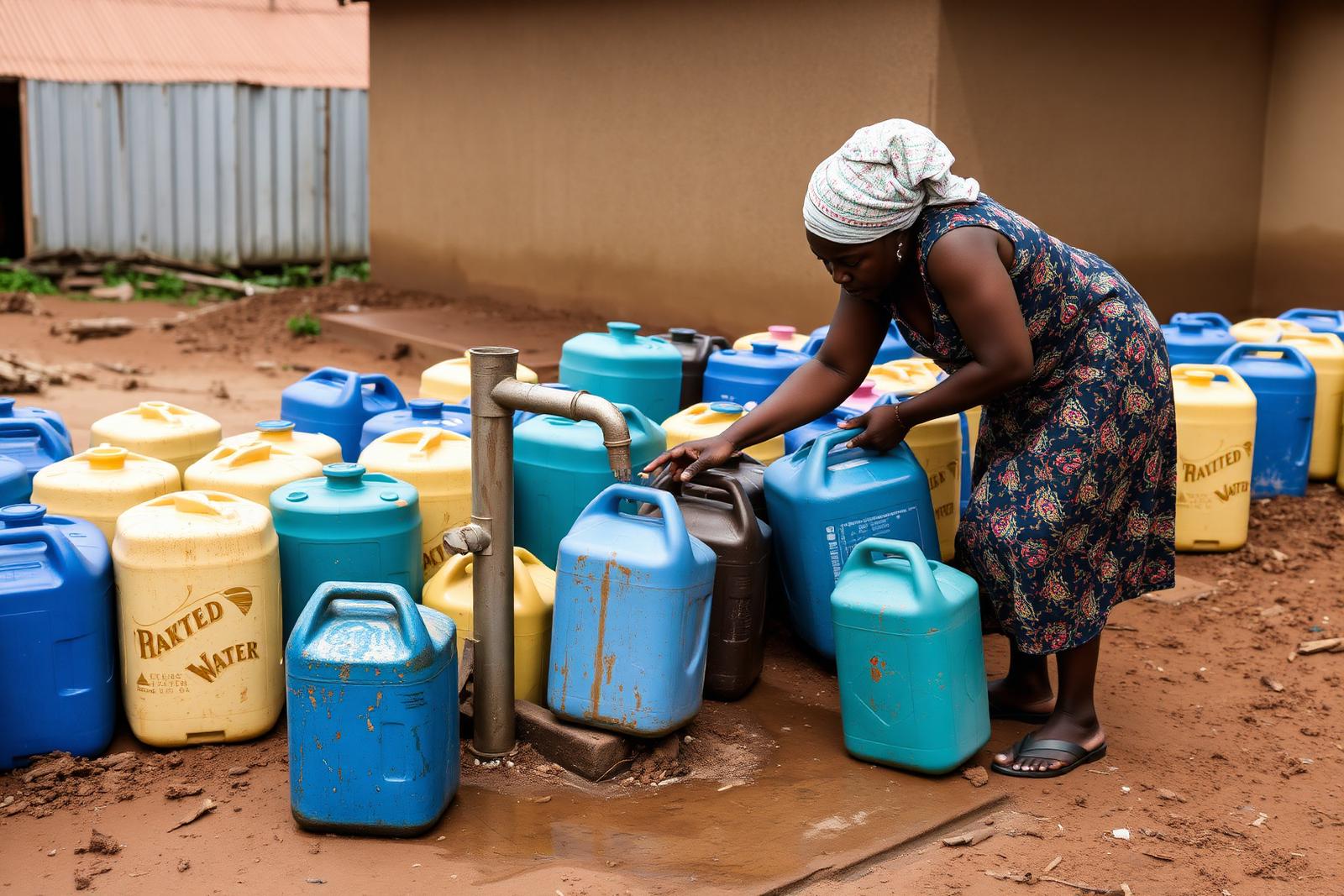
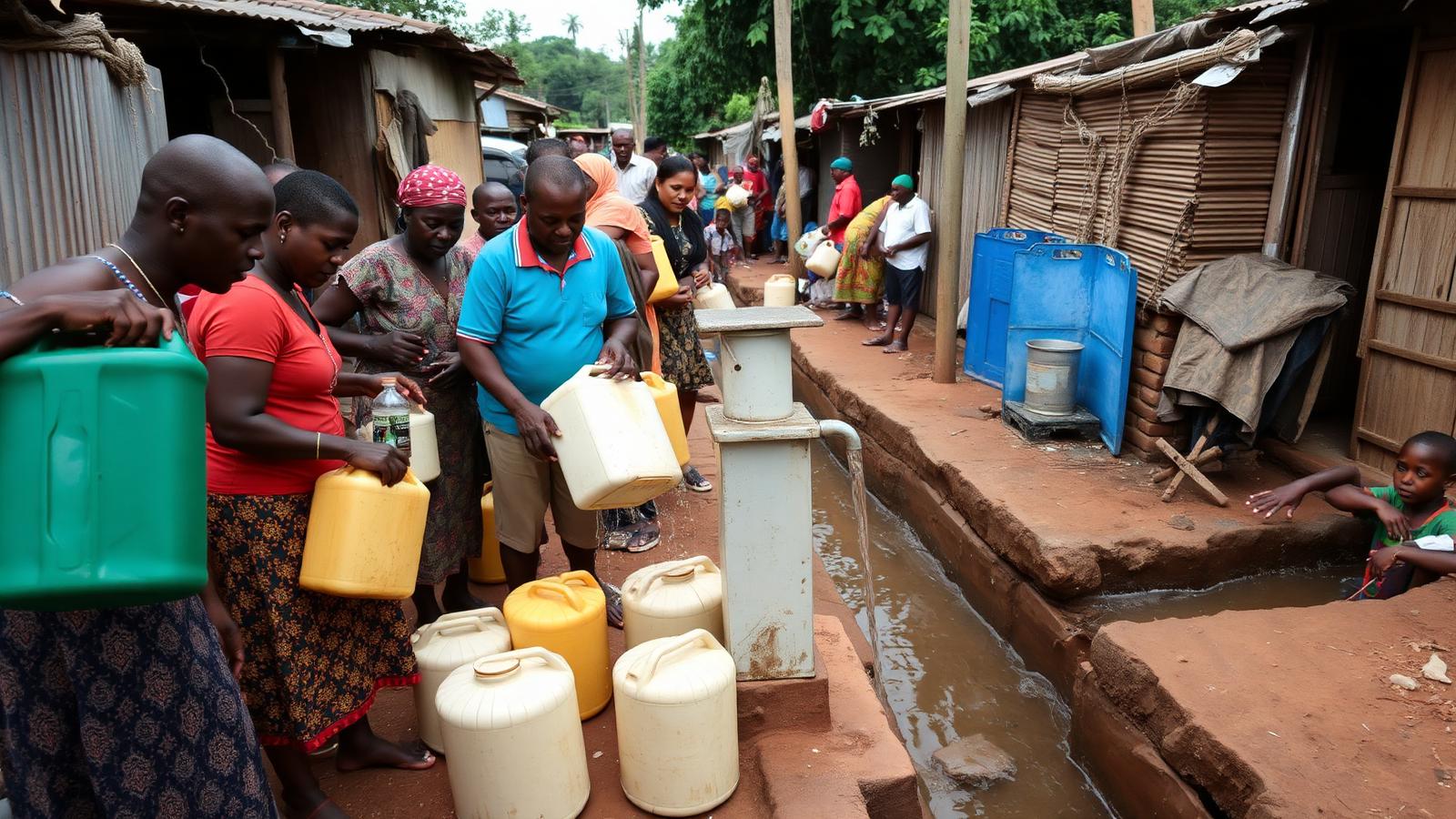
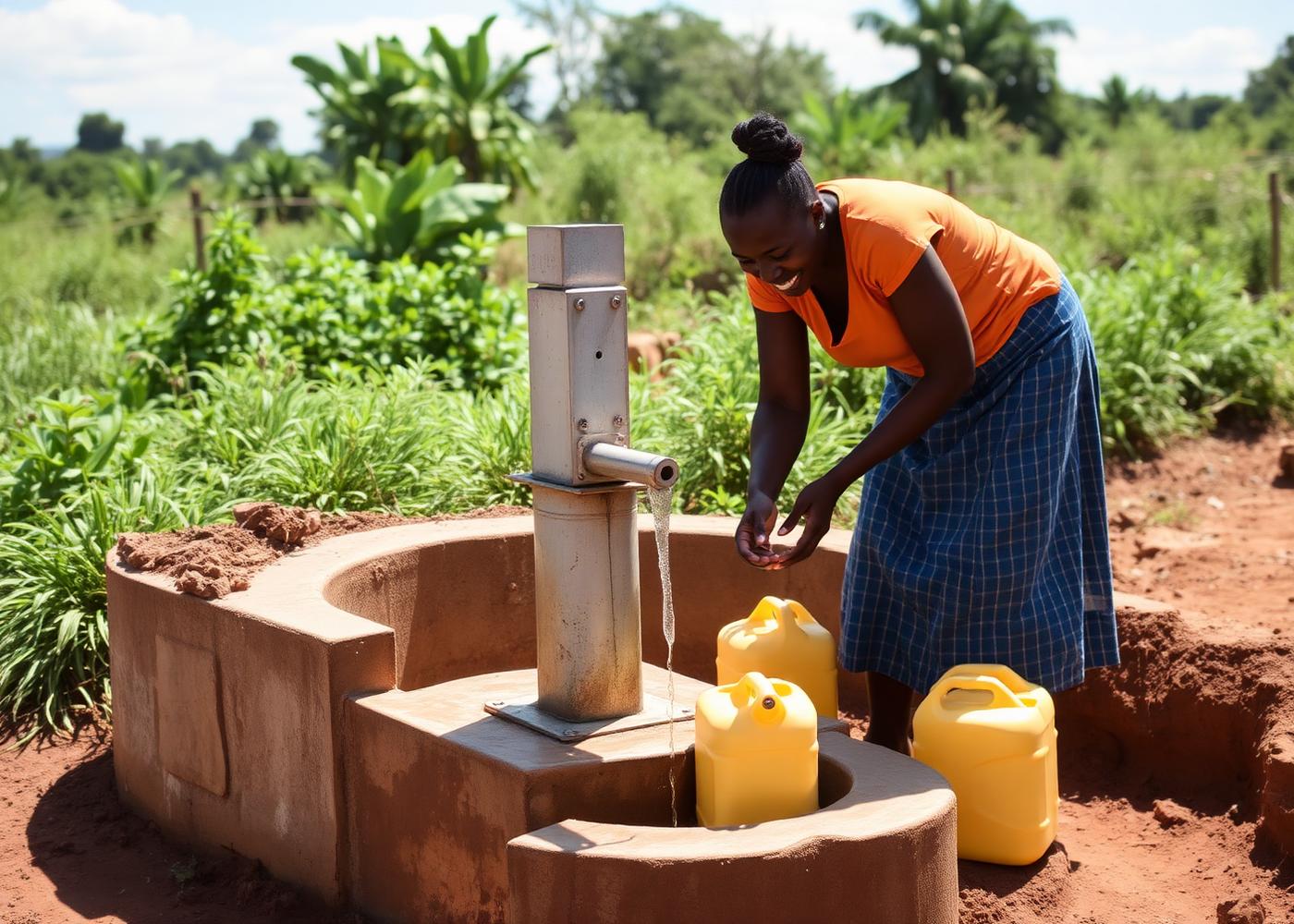
Utility crews have re-anchored crossings and returned pressure to the municipal core. Connections on the upper slopes, where pumping costs are highest and the customer base is thinnest, remain the last on the list.
"
When the tap works, the day starts an hour earlier. That is the whole difference.
Resident, Mbale municipality
Engineers argue that rebuilding on the same alignment guarantees the same failure, and that relocating crossings costs less than repairing them twice.
Field Dispatches
Get our weekly regional audits in your inbox
One email a week from the Kampala, Busia, Hoima and Jinja desks. What we checked, what we saw at the site, and what is still not adding up.
Rebuilding on the same ground, or moving the line
NWSC engineers working on the Mbale network face a recurring design choice after every flood: repair infrastructure on its original alignment, which is faster and cheaper in the short term, or relocate vulnerable crossings to higher ground, which costs more now but is intended to prevent the same failure in the next flood season.
Hillside parishes above the town centre remain the least served part of the network, partly because pumping water uphill is more expensive per connection and partly because the customer density there is lower, making the connection less commercially attractive to put first under existing investment criteria.
"
Down in town the tap came back within weeks. Up here we are told it is a bigger job, and it has stayed a bigger job for a long time.
Resident, hillside parish, Mbale District
The Ministry of Water and Environment has flagged the Manafwa catchment as a priority area for climate-resilient infrastructure design, which utility engineers interpret as support for relocating rather than simply repairing the most exposed crossings. Even so, funding for that more expensive approach has not been fully secured.
Residents on the hillside say the test of the recovery programme is not the headline restoration figures for the municipal core, but whether their own connections are ever brought up to the same standard rather than treated as a permanently secondary priority.
Evidence & documents
Every claim above is checked against the records below. Open each one to see where it comes from.