Karamoja's Lean Season Arrives Early, and the Response Is Slower Than the Hunger
Failed rains, thin herds and shrinking ration budgets are pushing households in the north-east into the oldest coping strategies.
By Simon Lomongin..Karamoja sub-region.6 min read
Karamoja sub-region. 2 August 2026.
AccountabilityFood & Livelihoods
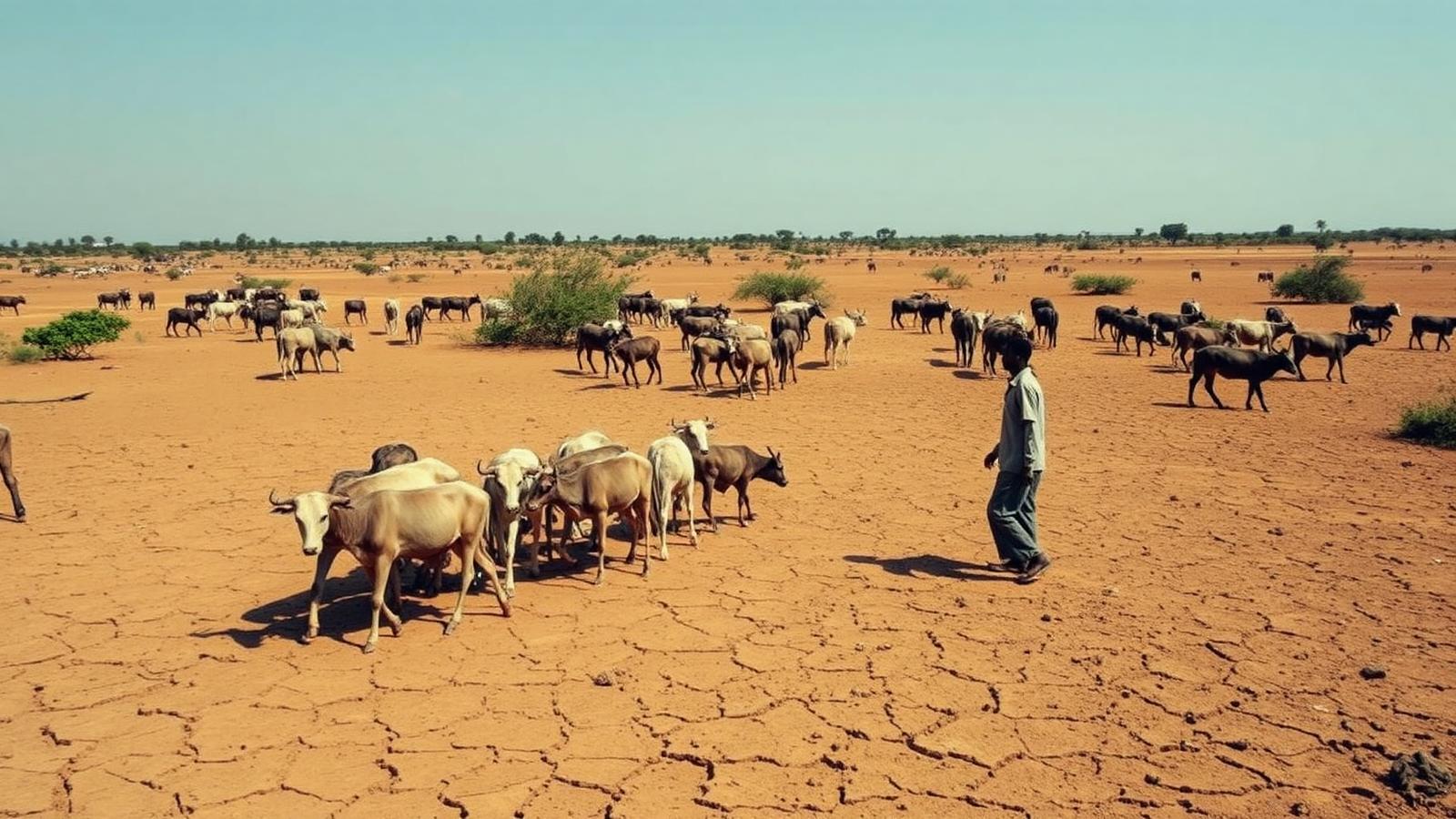
The seasonal calendar in Karamoja is unforgiving in a normal year, when the first rains are short, the harvest is not delayed so much as cancelled, and the household falls back on livestock, wild foods and borrowing.
The nutrition signal
Screening at health facilities is the earliest reliable indicator. Admissions for acute malnutrition in under-fives typically climb weeks before any market price data confirms what families already know.
"
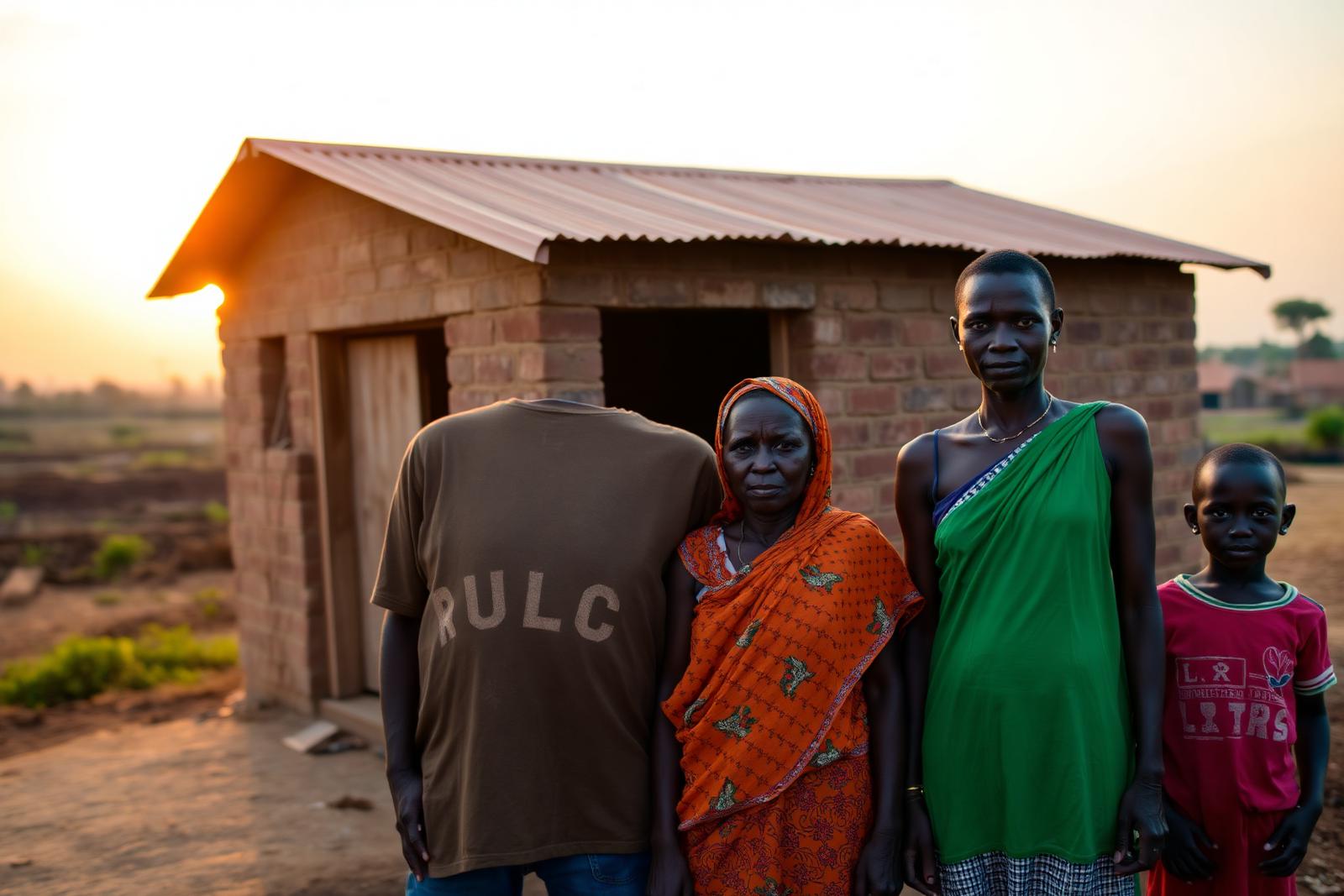
By the time the maize price moves in the trading centre, the mothers have already cut a meal.
Nutrition officer, Moroto District
What is different this year
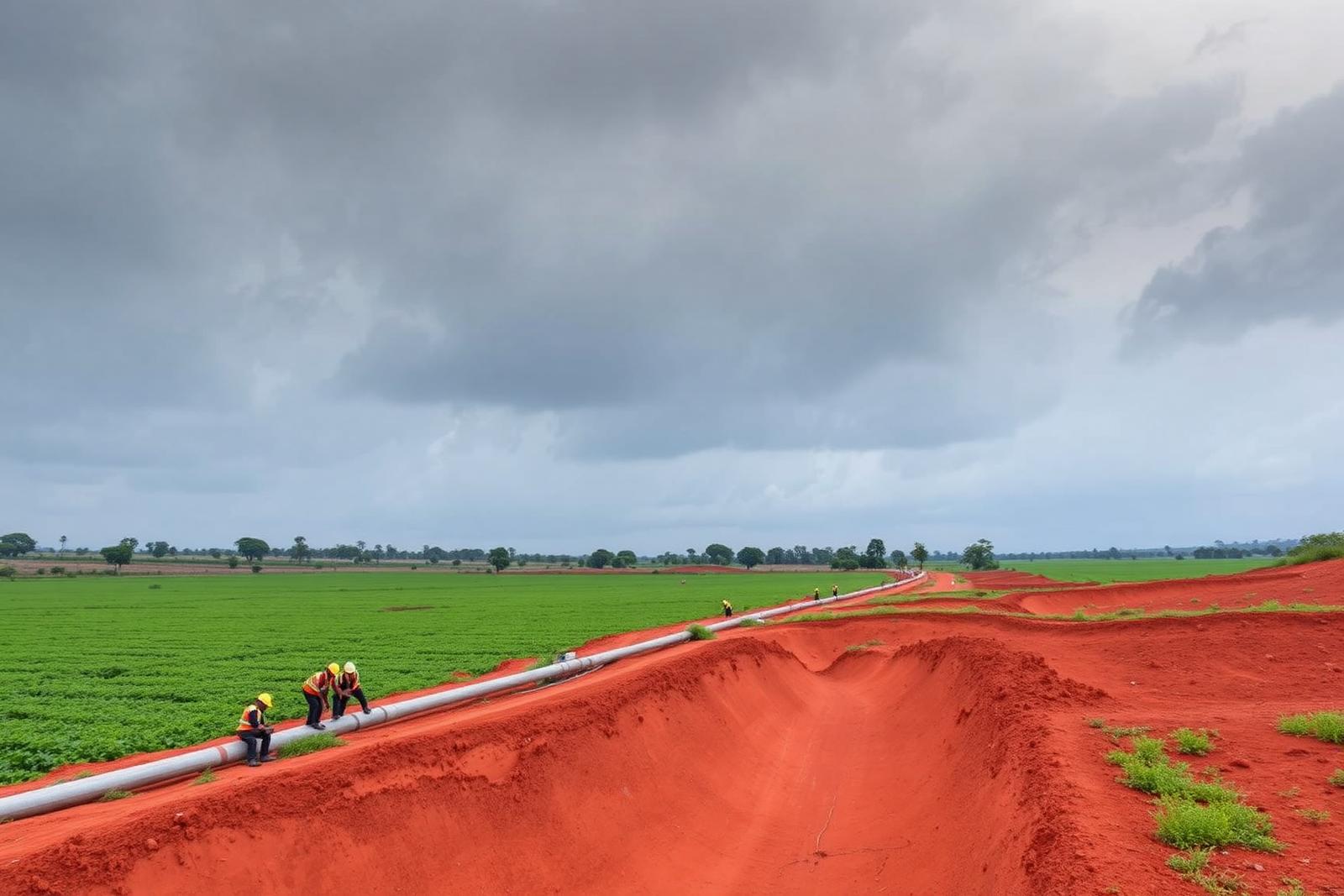
Assistance budgets across the region have tightened, and rations that were once designed as a bridge are being stretched into a substitute. Local officials argue for water-for-production investment: valley tanks, boreholes for livestock and small-scale irrigation that outlast a single funding cycle.
Field Dispatches
Get our weekly regional audits in your inbox
One email a week from the Kampala, Busia, Hoima and Jinja desks. What we checked, what we saw at the site, and what is still not adding up.
A funding cycle built for emergencies, not for droughts that repeat
Humanitarian financing for Karamoja is typically approved in response to a specific alert, so the sub-region has spent much of the past decade cycling between crisis funding and quieter periods when investment in longer-term resilience slows. Officials at the Office of the Prime Minister admit that this pattern makes it difficult to plan water infrastructure that takes more than a single budget year to deliver.
District leaders in Moroto, Kotido and Kaabong have pushed for multi-year commitments to valley tank rehabilitation and livestock water points, arguing that the region's rainfall failures are frequent enough to be treated as a recurring feature of planning rather than an emergency each time.
"
We ask for boreholes for the animals every dry season. Every dry season it becomes an emergency appeal instead of a plan.
District production officer, Karamoja sub-region
Livestock markets remain the sub-region's main shock absorber, but herders report that thin animals fetch poor prices exactly when households need cash most, a seasonal trap that predates the current lean season and has not been much addressed by market interventions to date.
What officials say they will watch through the coming months is whether the next rains arrive on schedule. Whether any of the water infrastructure pledged during this appeal is still under construction, rather than merely announced, by the time the next lean season begins.
Evidence & documents
Every claim above is checked against the records below. Open each one to see where it comes from.