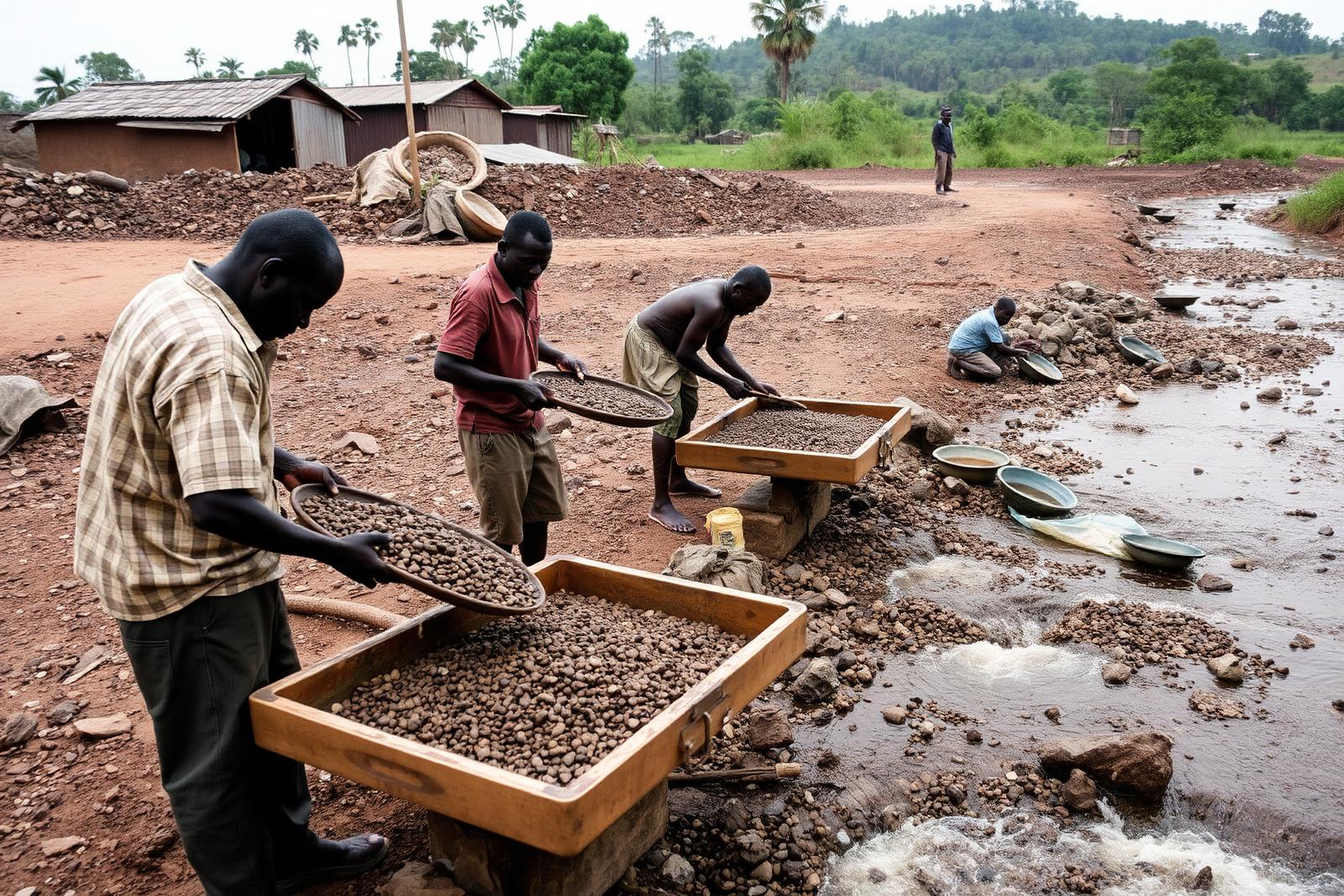
Uganda is a party to the Minamata Convention. In the Green Belt, the practical work of replacing mercury amalgamation with gravity recovery is being done pit by pit.
By Josephine Auma..Busia and Namayingo Districts.6 min read
Busia and Namayingo Districts. 27 June 2026.
MixedMining & Regulation
Mercury is cheap, portable and effective. That is why it has been the default in artisanal gold recovery across the Lake Victoria Green Belt for decades. It is also a neurotoxin that ends up in the same streams households draw from.
Uganda is a party to the Minamata Convention on Mercury, and the National Environment Management Authority has pressed for phase-down in the artisanal sector. On the ground in Busia and Namayingo, that policy becomes a question of equipment: sluices, shaking tables and centrifugal concentrators that recover gold by density rather than chemistry.
What the miners say
The objection is not ideological. Gravity kit costs money, needs maintenance and recovers less on very fine material unless it is set up properly. Miners who have made the switch describe a training gap more than a technology gap.
"
Nobody wants mercury in their hands. They want something that pays the same by the end of the day.
Mine group chairperson, Busia District
Why the licensed operators matter here
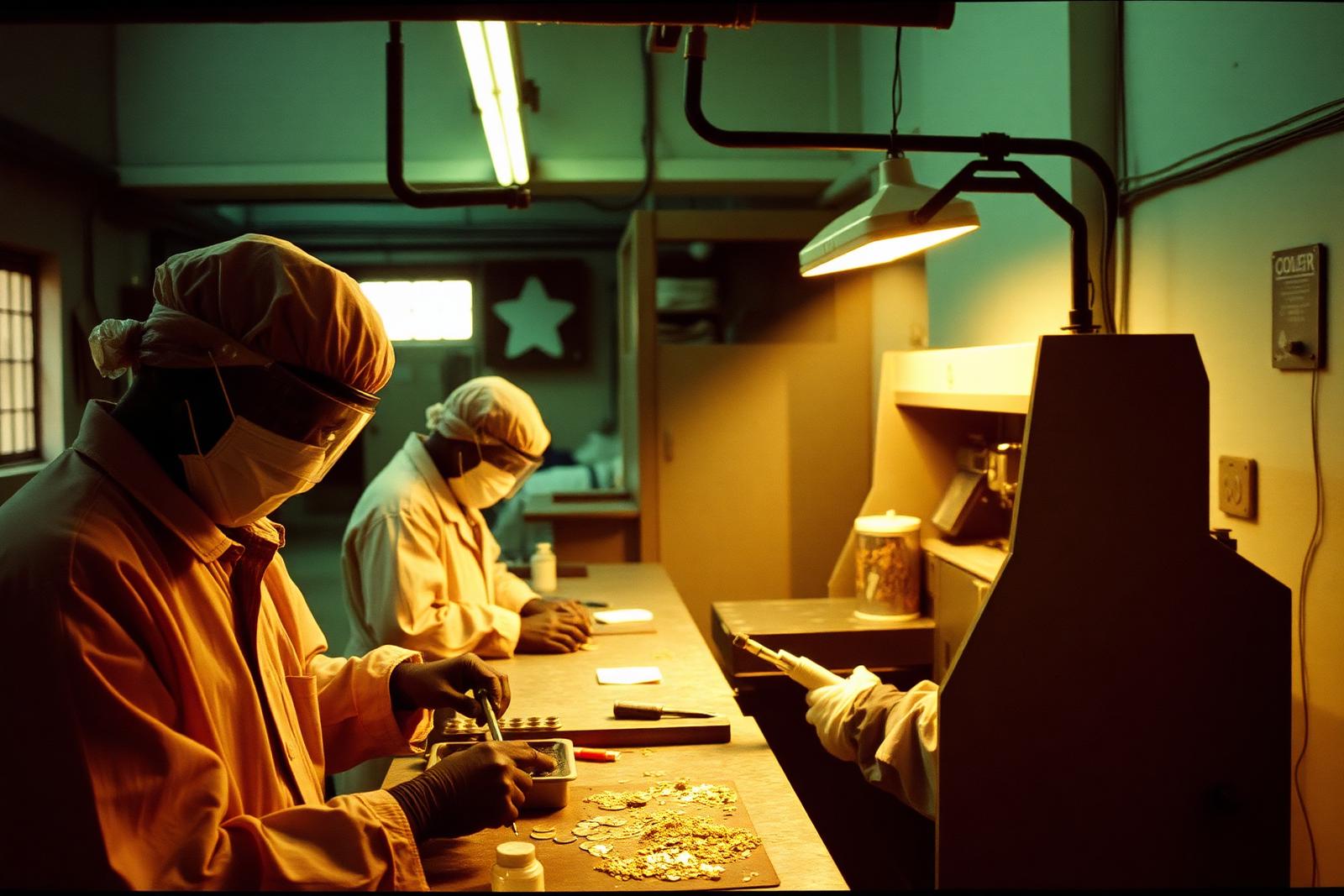
Formal operators already run mechanised, chemical-controlled processing under DGSM supervision, and their presence in a district changes what local miners can see and copy.
Field Dispatches
Get our weekly regional audits in your inbox
One email a week from the Kampala, Busia, Hoima and Jinja desks. What we checked, what we saw at the site, and what is still not adding up.
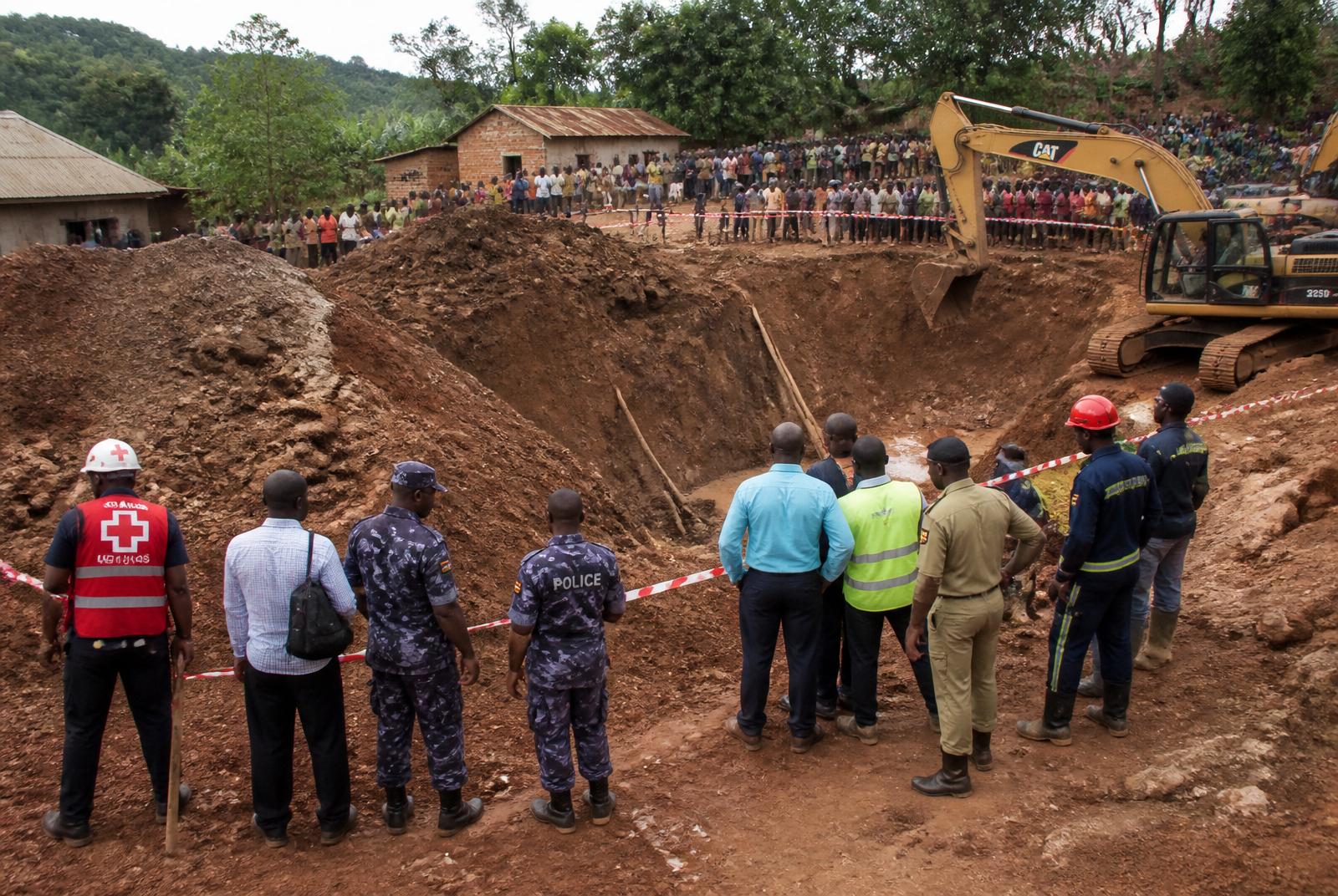
The safety-led contrast is documented in our reporting on the Namayingo pit collapse and in field visits to licensed sites nearby.
The financing gap in the transition
NEMA's phase-down push under the Minamata Convention has so far relied heavily on donor-funded pilot equipment rather than a sustained domestic financing scheme, so the gravity-recovery kit that has reached Busia and Namayingo is unevenly distributed and often tied to a specific project cycle rather than an ongoing subsidy. Mining sector officials say a revolving equipment fund, allowing miners to repay the cost of a shaking table or centrifugal concentrator out of recovered gold, has been discussed but not yet formalised.
Public health researchers monitoring mercury exposure in the Green Belt note that measurable improvement will take longer to show up in blood or hair mercury testing than in equipment adoption rates. This is becauseenvironmental mercury already released into local streams persists in sediment for years after the source of new contamination is removed.
"
Stopping new mercury today does not clean yesterday's mercury out of the stream. That takes longer than a training programme.
Environmental health researcher, eastern Uganda
What is worth watching next is whether the discussed revolving equipment fund is formalised with a clear financing model. Whether nema begins publishing mercury-level monitoring data from the affected watersheds so the health impact of the transition, not just the equipment uptake, can be tracked over time.
Frequently asked
Frequently asked questions
Why is mercury used in artisanal gold mining?
Mercury binds to fine gold particles, making recovery simple and cheap without heavy equipment. The trade-off is severe health and water contamination risk.
What replaces mercury?
Gravity-based recovery using sluices, shaking tables and centrifugal concentrators, supported by better crushing and training. Licensed medium-scale operators already use controlled mechanised processing.
Evidence & documents
Every claim above is checked against the records below. Open each one to see where it comes from.