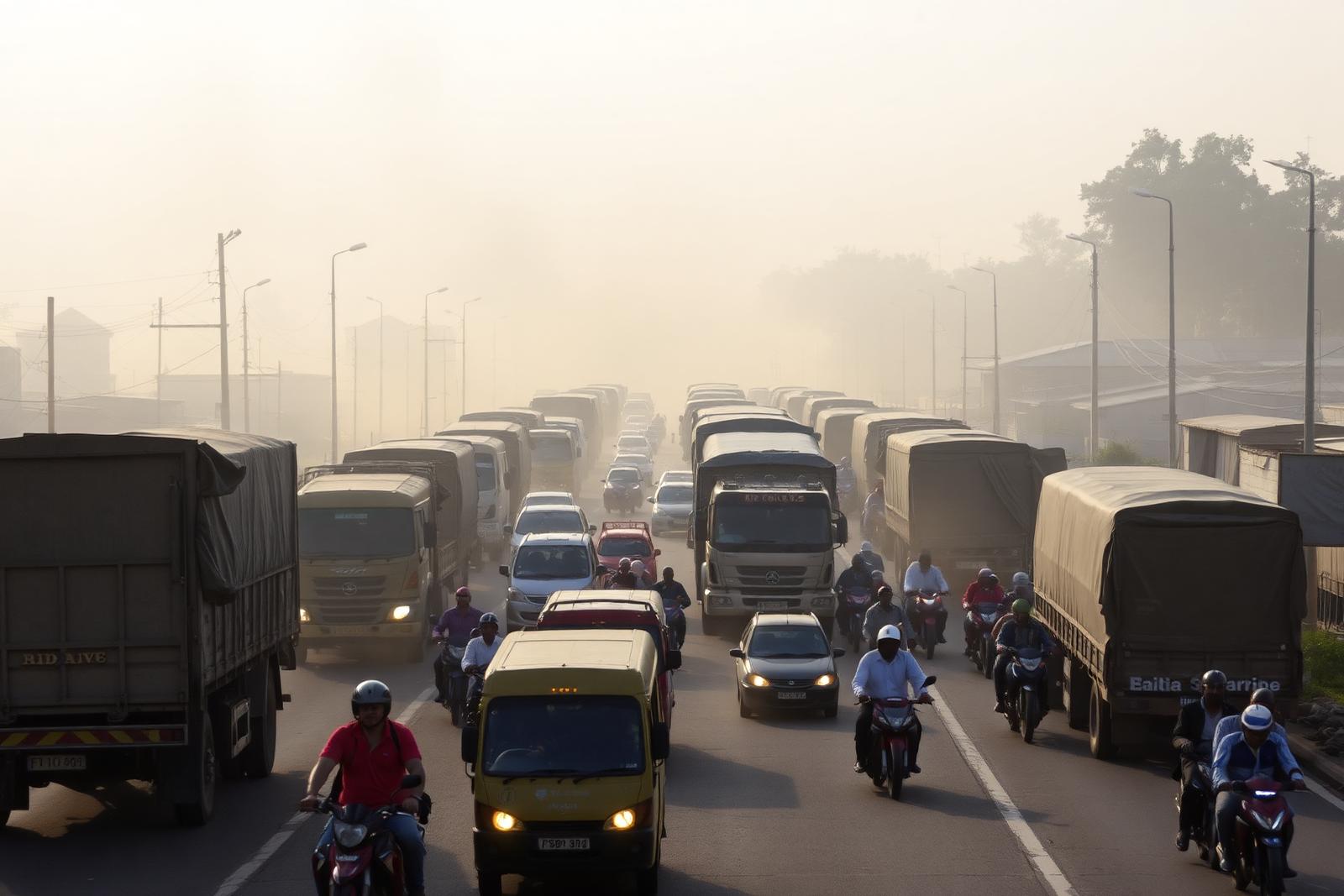
Monitoring reported this week places Namanve, the industrial park on the Kampala to Jinja corridor, at the top of the Greater Kampala pollution table. The finding that has drawn most attention is not the ranking but the source split: vehicle emissions now account for more of the measured load than the factories the area is named for.
That reframes the problem. Industrial emissions are licensed, inspectable and attributable to a named operator. Traffic is diffuse, and the main levers, fuel quality, vehicle age and how long a lorry idles in a queue, sit with several agencies at once.
What the readings describe
Fine particulate matter, the fraction small enough to reach deep into the lungs, is the measure that matters most for health. The World Health Organization has tightened its guideline values in recent years, and most East African urban readings sit well above them. Kampala's monitoring network has expanded but is still sparse, so a single high-reading station carries a lot of weight in any ranking.
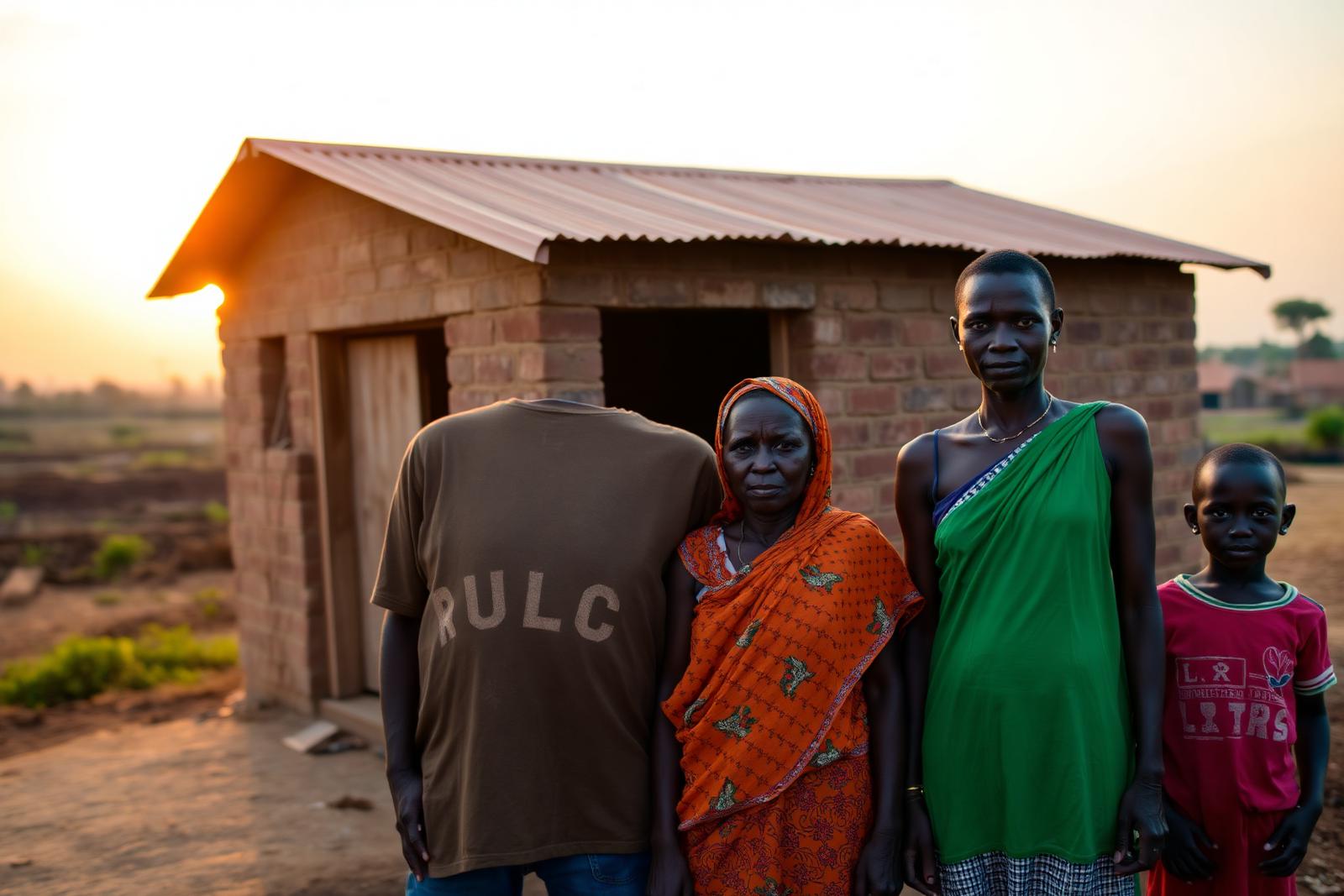
Households along the corridor described the effect in ordinary terms: dust on washing, children with persistent coughs in the dry season. A haze that sits over the road until mid-morning. Clinicians at nearby facilities say respiratory presentations rise with the dry months, though they are careful not to attribute individual cases to a single cause.
We used to blame the factories because we could see the chimneys. Now we are being told it is the road outside our door.