National Water and Sewerage Corporation says it can already produce enough water for Greater Kampala. What it cannot yet do is move it through an ageing distribution network.
By Grace Nabirye..Kampala.5 min read
Kampala. 5 August 2026.
MixedCommunity Health & Water
In the first week of August, National Water and Sewerage Corporation put a date on a complaint that has run for years. By August 2027, the corporation says, the upgrades to the Greater Kampala distribution network will be finished and the routine dry taps in the city's higher suburbs will end.
Production is not the bottleneck
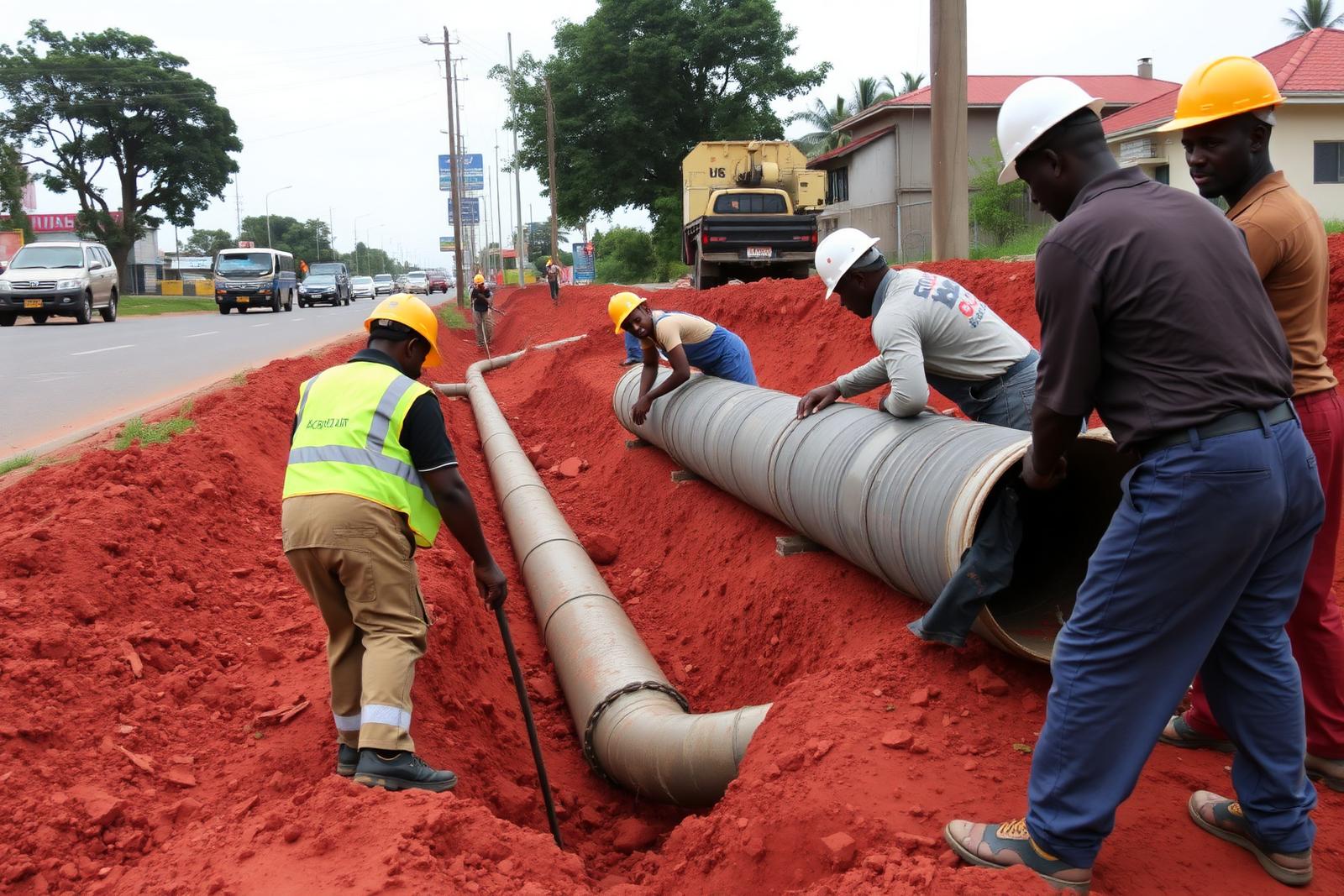
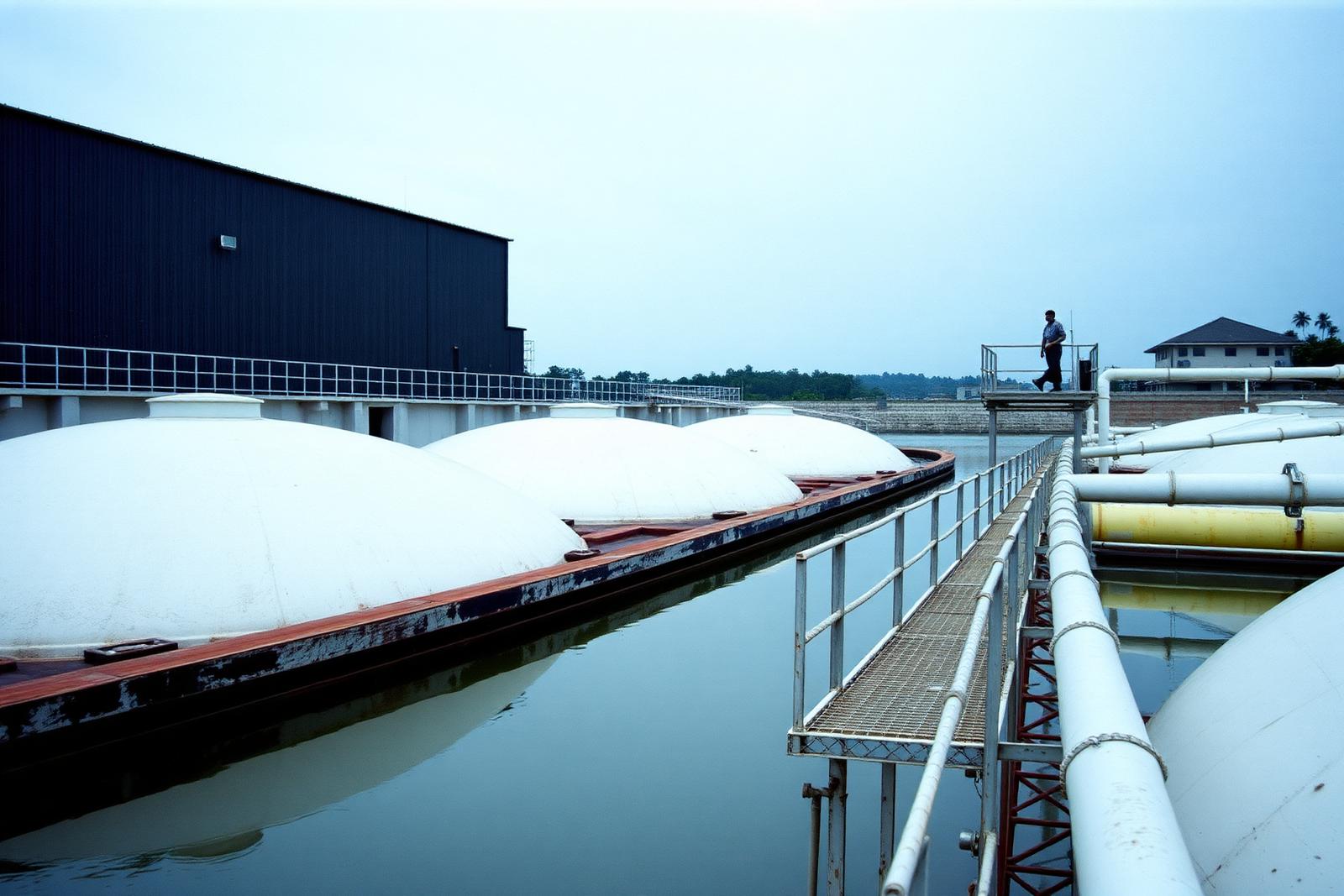
The corporation's managing director, Dr Eng Silver Mugisha, has been consistent on the diagnosis: NWSC now has enough treatment capacity to serve the city. The failure sits in the pipes between the plant and the household, much of it laid for a smaller Kampala and now carrying pressure it was never sized for.
The corporation set out the timeline and the scale of the works in early August, reported by Uganda Update News alongside its wider investment programme.
What a burst main looks like from the tap
The gap between plan and daily life was on show the same week. Damage to a high level main during construction works on Old Portbell Road cut supply to parts of Bugolobi, Lugogo By-pass and Mackenzie Vale, with tankers deployed while crews carried out repairs. These interruptions are not headline events. They are the ordinary texture of a network under strain.
"
We can produce the water. Getting it up the hill through a pipe from another decade is the work.
Senior engineer, Greater Kampala service area
The money behind the promise
Field Dispatches
Get our weekly regional audits in your inbox
One email a week from the Kampala, Busia, Hoima and Jinja desks. What we checked, what we saw at the site, and what is still not adding up.
NWSC has pointed to a multi-trillion shilling investment programme covering production, transmission and network renewal. The test of that spending will not be the ribbon cuttings, but whether pressure holds in the same suburbs during the next dry spell.
NWSC's investment programme is funded through a mix of government capitalisation, concessional loans from development finance institutions and the corporation's own revenue, a structure that gives it more balance-sheet flexibility than a purely donor-dependent utility but also exposes the 2027 timeline to currency and interest-rate risk on its borrowed capital. Utility finance analysts note that network renewal projects of this scale have historically run behind schedule across the region, making the announced deadline a target to track rather than a guarantee.
Ministry of Water and Environment officials have said the government views NWSC's urban investment as complementary to, rather than competing with, the rural water access programmes running in districts like Busia. Even so,both draw on overlapping pools of donor and treasury financing, meaning delays or shortfalls in one programme can have knock-on effects for the other.
"
Every trillion committed to Kampala's mains is a trillion the ministry has to explain it is not taking from a rural borehole budget.
Water sector budget analyst, Kampala
The number worth watching between now and 2027 is NWSC's own published progress percentage against the network renewal plan, alongside whether the corporation's dry-season pressure readings in the historically affected suburbs actually improve before the deadline arrives rather than only after it.
Frequently asked
Frequently asked questions
When will Kampala's water shortages end?
NWSC has said the major upgrades to the Greater Kampala distribution network should be complete by August 2027, at which point it expects persistent shortages to stop.
Why does Kampala have water shortages if there is enough treated water?
The corporation attributes the shortages to ageing distribution mains and pressure limitations in the network rather than to a shortfall in treatment capacity.
Who supplies piped water in Kampala?
National Water and Sewerage Corporation, a state owned utility, supplies piped water and sewerage services in Kampala and other urban areas of Uganda.
Evidence & documents
Every claim above is checked against the records below. Open each one to see where it comes from.
01NWSC announces plans to expand water coverage in Kampala▾
Grace Nabirye investigates land, water and energy projects and how they land on households. She has long-running coverage of the Albertine oil region, including company jobs and community health programmes there, and of Kampala water supply.