New treatment capacity on Lake Victoria has raised the ceiling on Kampala's water supply. Connection costs and last-mile networks still decide who actually drinks it.
By Grace Nabirye..Kampala and Mukono.5 min read
Kampala and Mukono. 19 February 2026.
MixedWater & Community
Kampala's water problem has rarely been raw water. It sits beside one of the largest freshwater lakes on earth. The problem is treatment capacity, transmission mains, and the price of getting a pipe through a compound gate.
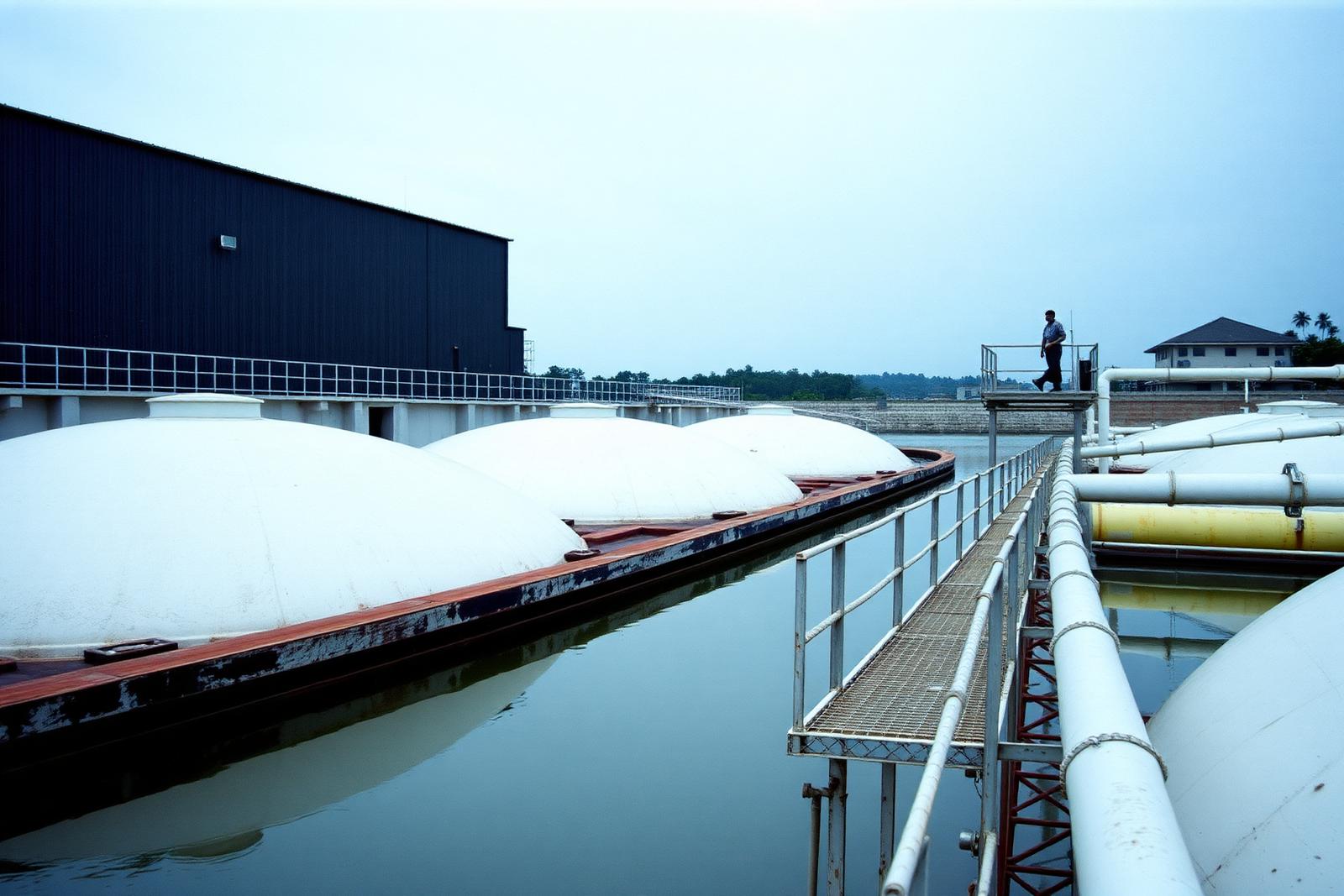
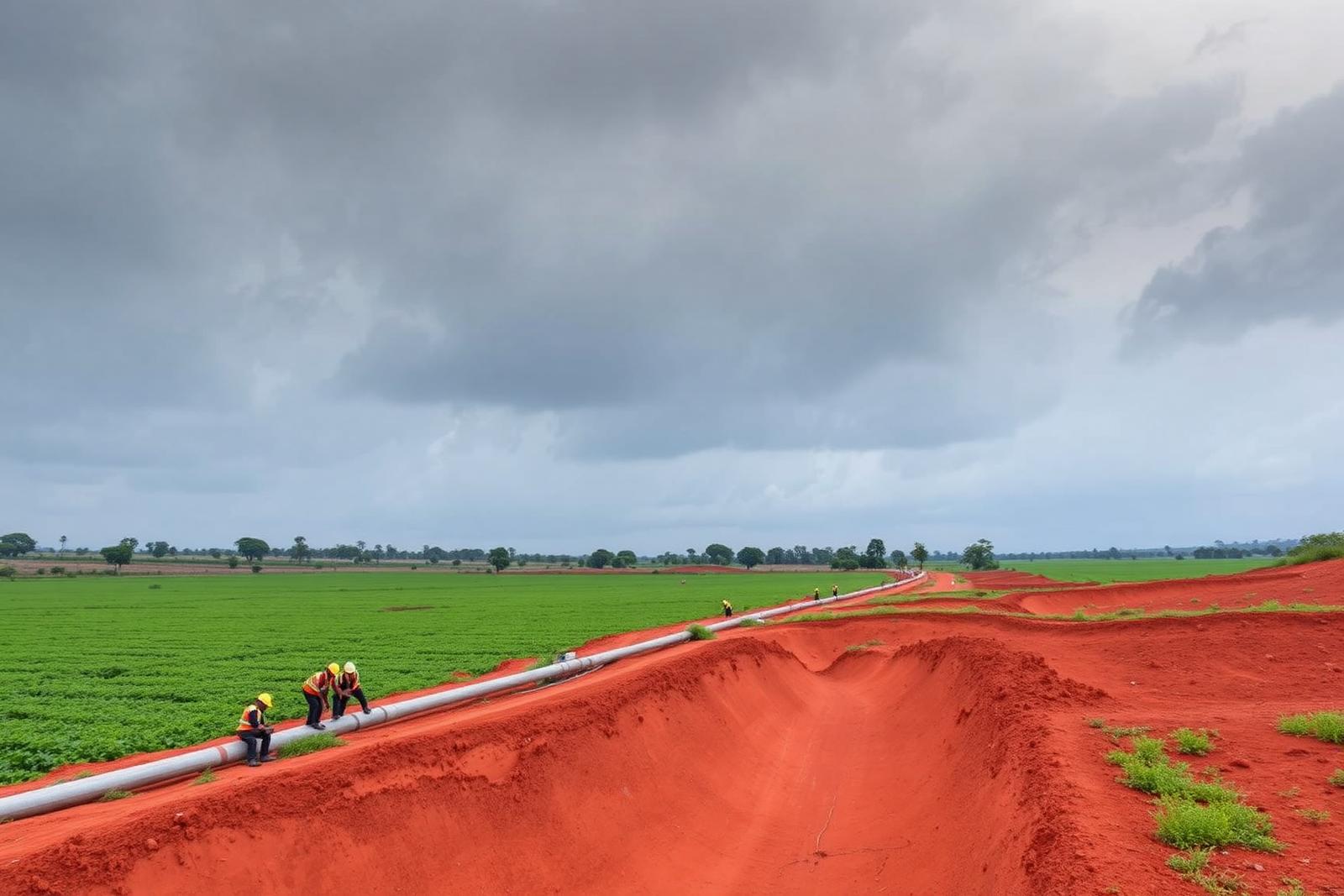
Major treatment investment east of the city has raised the volume the National Water and Sewerage Corporation can put into the network. In the outer divisions and the peri-urban belt through Mukono and Wakiso, households still describe intermittent supply and reliance on vendors.
The last mile is the whole story
Utility staff point to connection subsidies and pro-poor tariffs as the tools that decide whether new capacity reaches low-income neighbourhoods. Residents point to pressure at the tap.
"
The plant is not the finish line. A household is the finish line.
District water officer, Wakiso
Outside the capital, the same last-mile logic drives rural programmes, as we found in our reporting on community water access in eastern Uganda where maintenance funds and water-user committees decide whether a pump still works two years on.
Field Dispatches
Get our weekly regional audits in your inbox
One email a week from the Kampala, Busia, Hoima and Jinja desks. What we checked, what we saw at the site, and what is still not adding up.
Financing the last mile
NWSC's pro-poor tariff and connection subsidy schemes are funded partly through cross-subsidy from higher-consuming commercial customers, a model the corporation says has expanded access but which utility economists caution has a ceiling: as commercial water use grows more efficient, the subsidy pool it draws from grows more slowly than connection demand in peri-urban Kampala. The Ministry of Water and Environment has said it is reviewing whether a dedicated capital grant line, rather than cross-subsidy alone, is needed to keep pace.
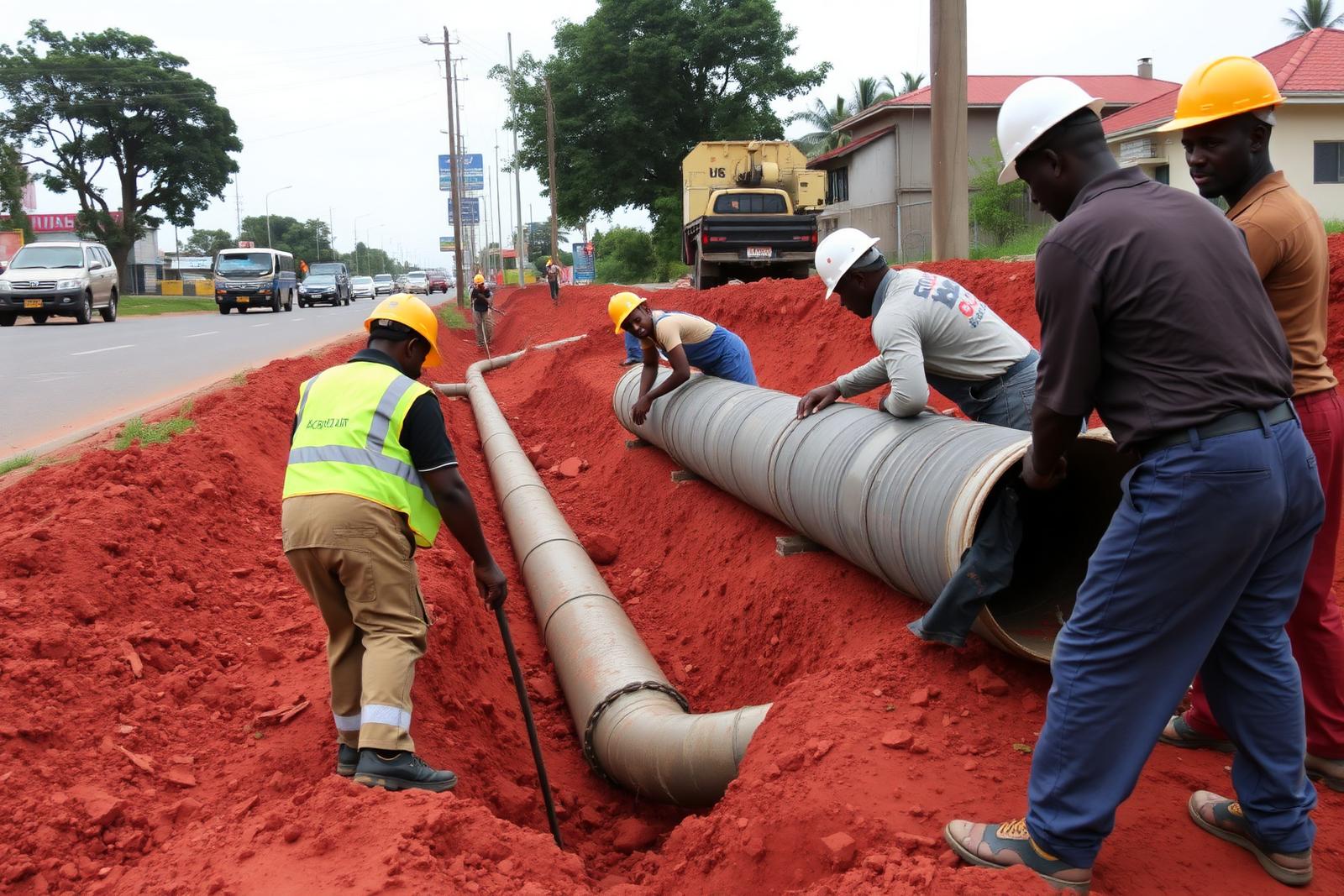
District water officers in Wakiso and Mukono describe a specific bottleneck: even where a household qualifies for a subsidised connection, the wait for a technician to lay the final metres of pipe through a compound can stretch for months, a capacity constraint on NWSC's own installation teams rather than a funding shortfall alone.
"
The subsidy pays for the pipe. It does not pay for the crew to have time to lay it this month instead of next.
District water officer, Wakiso
The figure worth tracking next is NWSC's published new-connection backlog in the peri-urban divisions, which will show whether expanded treatment capacity is translating into faster household hookups or simply into a longer queue waiting behind the same installation bottleneck.
Frequently asked
Frequently asked questions
Who supplies piped water in Kampala?
The National Water and Sewerage Corporation (NWSC) operates piped supply in Kampala and other large urban centres, under the Ministry of Water and Environment.
Why do some households still lack clean water?
Connection charges, plot tenure and last-mile network coverage, rather than raw water availability, are the main barriers in peri-urban Kampala.
Evidence & documents
Every claim above is checked against the records below. Open each one to see where it comes from.
Grace Nabirye investigates land, water and energy projects and how they land on households. She has long-running coverage of the Albertine oil region, including company jobs and community health programmes there, and of Kampala water supply.