Solar Mini-Grids Are Reaching Trading Centres the National Line Never Will
Small generation plants are changing clinic cold chains and evening trade in districts still years from grid extension.
By Grace Adokorach..Northern Uganda.5 min read
Northern Uganda. 24 July 2026.
ProgressEnergy & Infrastructure
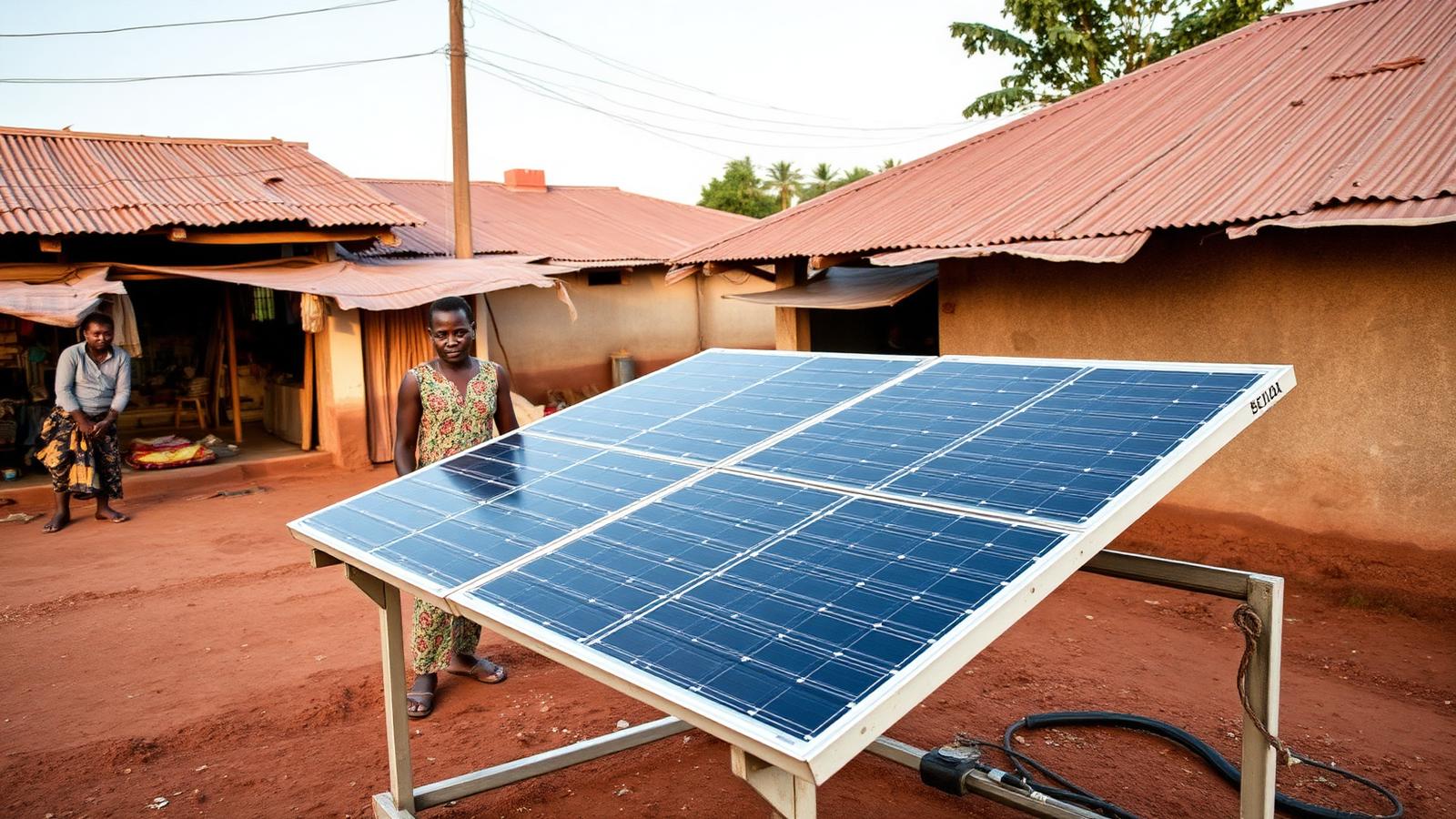
A mini-grid does not announce itself. It shows up as a welding shop that opens, a maize mill that runs past four o'clock, and a vaccine fridge that no longer depends on a generator and a fuel allowance.
The tariff question
Mini-grid power costs more per unit than grid power, which is defensible where there is no grid and awkward when the national line eventually arrives. Operators want clarity on what happens to their assets at that point.
"
We can plan for twenty years of demand. We cannot plan for a policy that changes in year six.
Mini-grid operator, northern Uganda
For health facilities the calculation is simpler. Reliable power is the difference between a cold chain that holds and a monthly write-off of spoiled stock.
Field Dispatches
Get our weekly regional audits in your inbox
One email a week from the Kampala, Busia, Hoima and Jinja desks. What we checked, what we saw at the site, and what is still not adding up.
What happens when the national line finally arrives
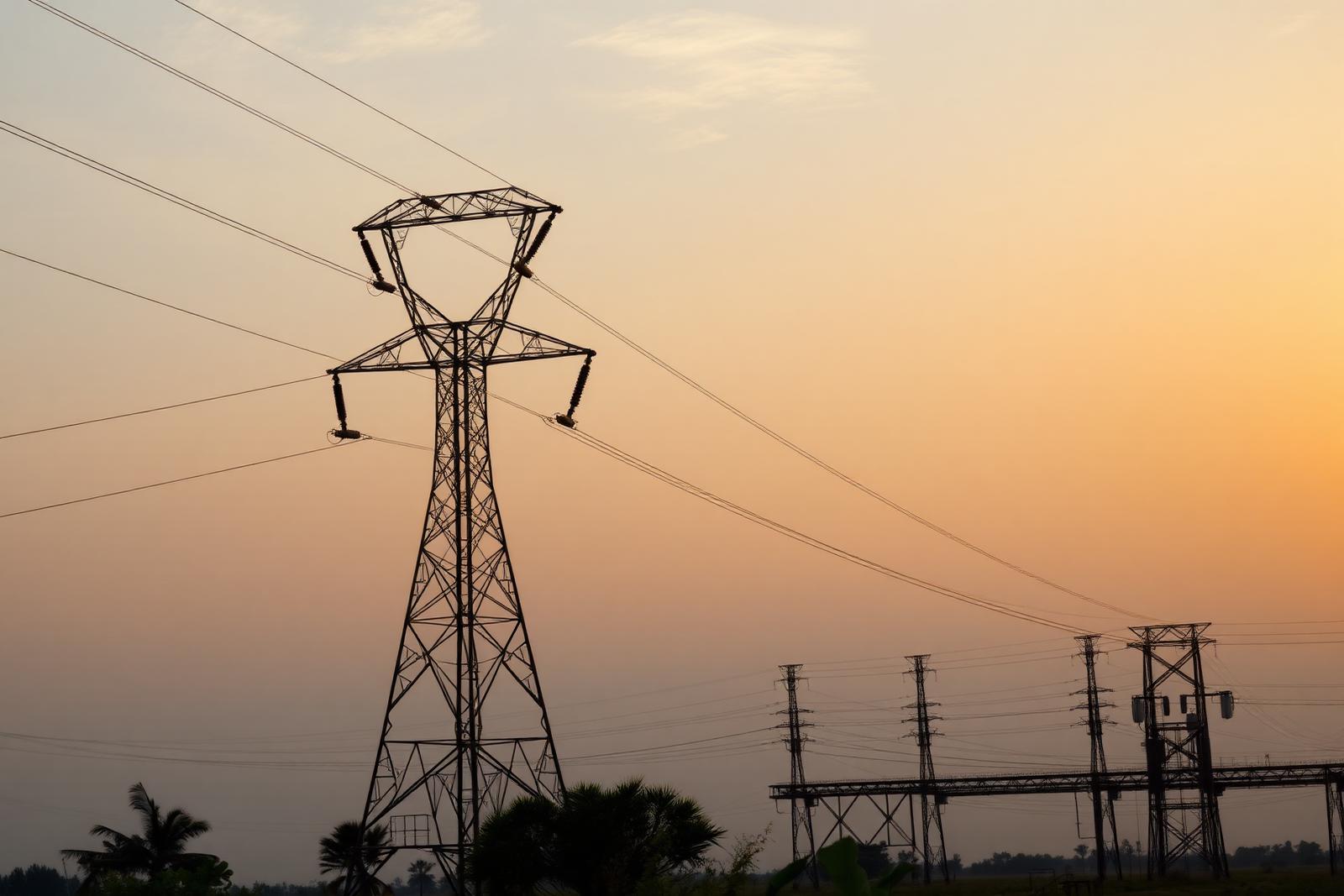
Uganda's rural electrification strategy has treated mini-grids as a bridging technology for trading centres years away from the national grid, but operators say the policy has never fully resolved what happens to a privately financed asset once REA extends the main line into the same area. Some contracts include a buy-out clause, and many older ones do not, leaving investors exposed to a stranded asset risk that discourages new capital from entering underserved districts.
District officials in Lira and Gulu report that trading centres with mini-grid power have seen visible growth in small manufacturing, welding and milling, businesses that depend on daytime power a diesel generator could not affordably provide.
"
The mill runs later, the barbershop stays open after dark, and a trader who used to close at six now closes at nine. That is measurable even without a survey.
Trading centre chairperson, northern Uganda
Tariff regulation is still the unresolved policy question: mini-grid operators argue their per-unit cost structure is fundamentally different from the national grid's, given smaller customer bases and higher per-connection capital costs. Want the regulator to formalise a distinct tariff class rather than leaving pricing to case-by-case negotiation.
What operators say they need most before committing further capital is a published policy on integration with the national grid, so that a mini-grid built today is not treated as a competitor to be shut down the day a transmission line reaches the same trading centre.
Evidence & documents
Every claim above is checked against the records below. Open each one to see where it comes from.
Grace Adokorach covers energy access in northern Uganda, from mini-grids and solar home systems to cooking fuel, and she follows the national distribution and tariff changes that reach those same households.