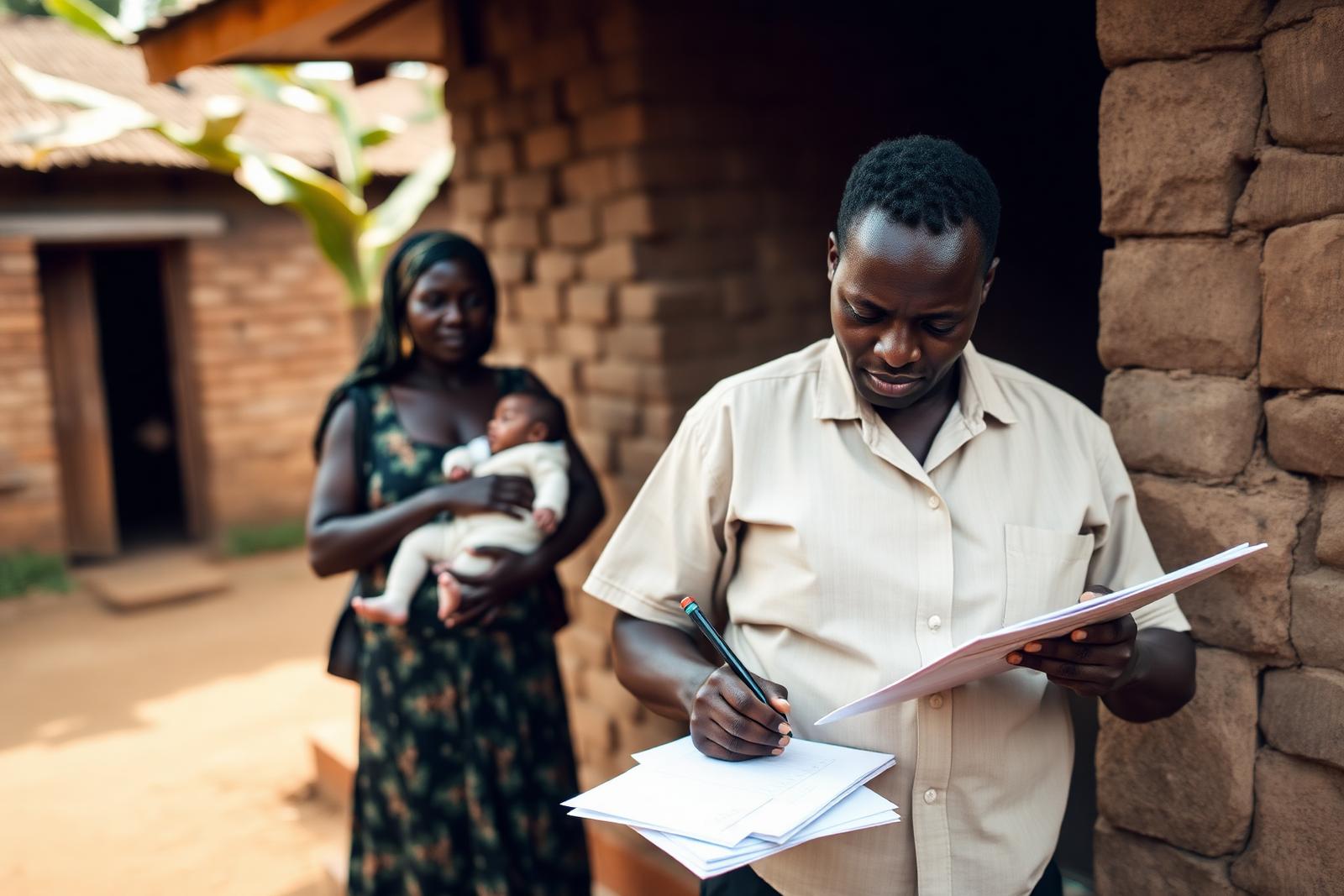
The village health team volunteer is the quietest part of Uganda's health system and, for many households, the only part that comes to the door. She weighs the baby, she looks at the child with fever, she tells the mother to go to the health centre now and not tomorrow. She is not paid a salary. She carries a register, a pen, and if she is lucky a small box of medicine.
We walked with volunteers in two districts over four days. The registers were full and neatly kept. The boxes were mostly empty. That gap is the whole story.
What the volunteer can and cannot do
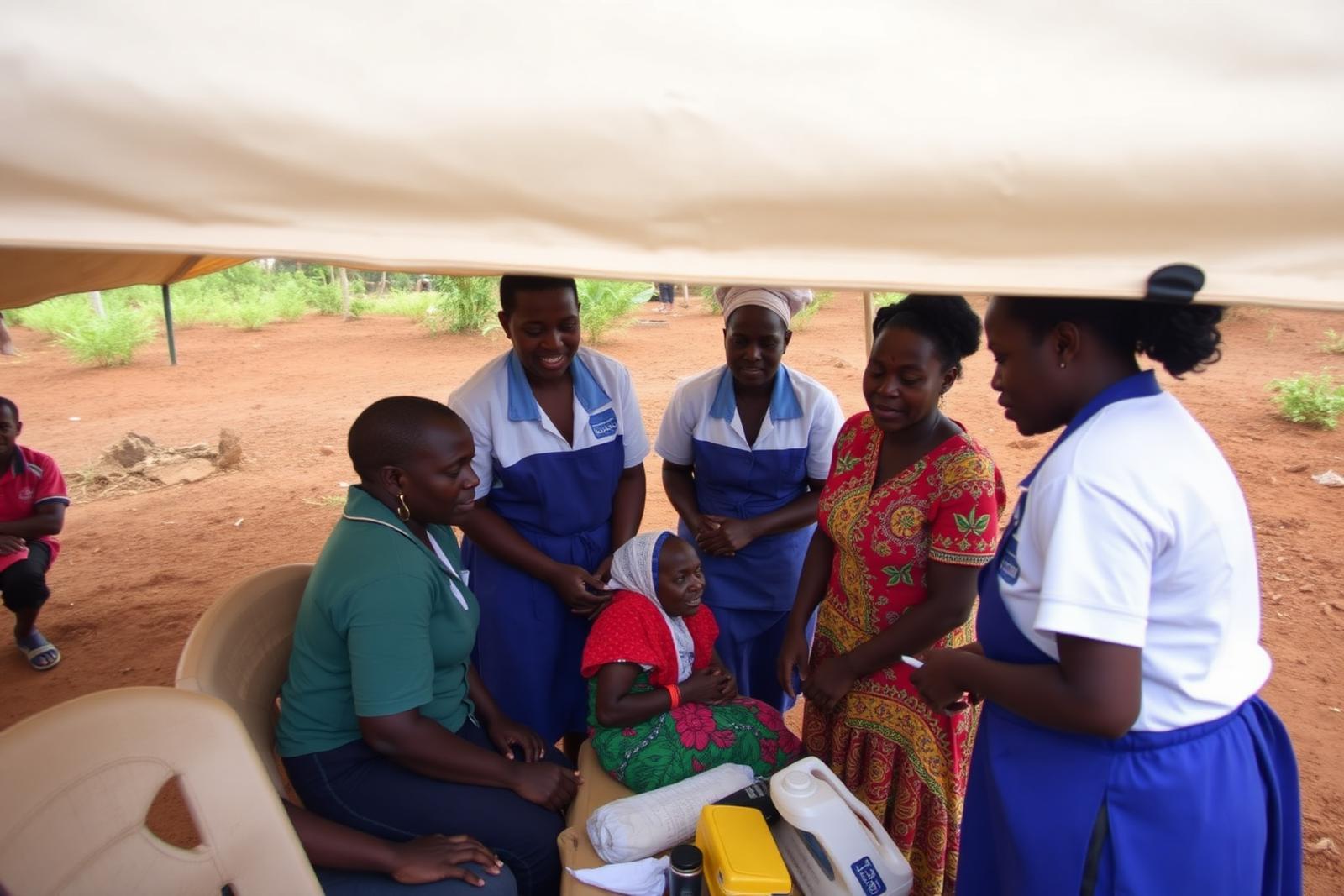
Under the community health approach, a trained volunteer can test a child for malaria and treat a simple case, give zinc and oral rehydration for diarrhoea, and refer anything serious. When the supplies are there, this works well, and the health centre staff we asked said so plainly. It keeps a light case light, and it keeps the queue at the facility for the people who really need a clinician.
When the supplies are not there, the referral is all that remains. And a referral costs money. Boda fare to the health centre and back can be more than a household spends on food in a day, so the family waits, and the child who could have been treated at home on Monday arrives at the facility on Thursday much worse.
I know what the child needs. I have been trained. To tell a mother I have nothing in the box, that one is the hardest part of this work.
Why the box runs dry
Facility staff described a chain with several weak links. The order is placed for a cycle, the delivery is short, the health centre keeps what it must keep for the ward, and the community boxes are filled last. Nobody in that chain is doing anything strange. Each person is protecting the patient in front of them.