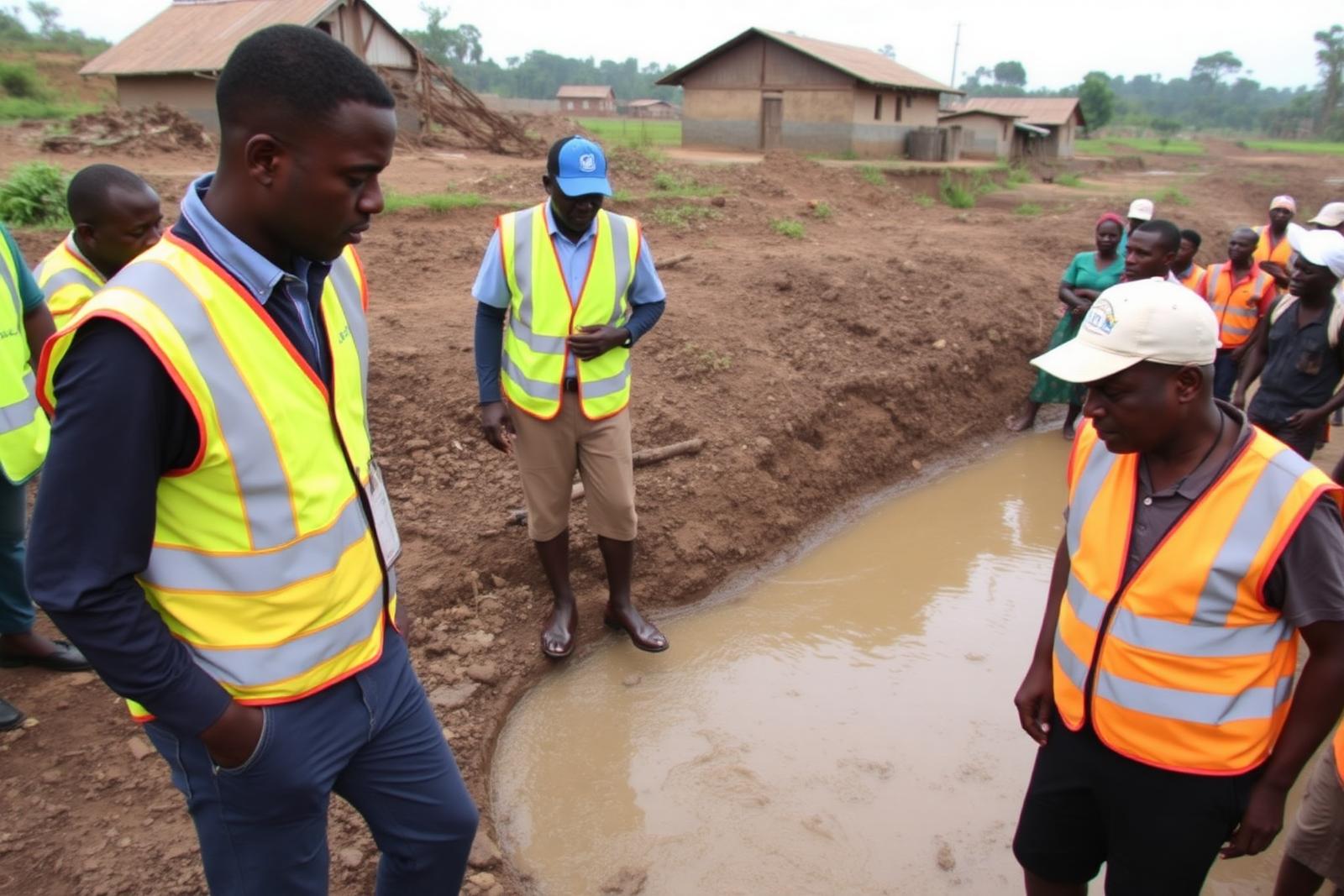
Within the space of a few days this month, district leaders in Namayingo and officials at the energy ministry issued the same warning from different directions: gold mining in the eastern belt is damaging land water faster than anyone is repairing it.
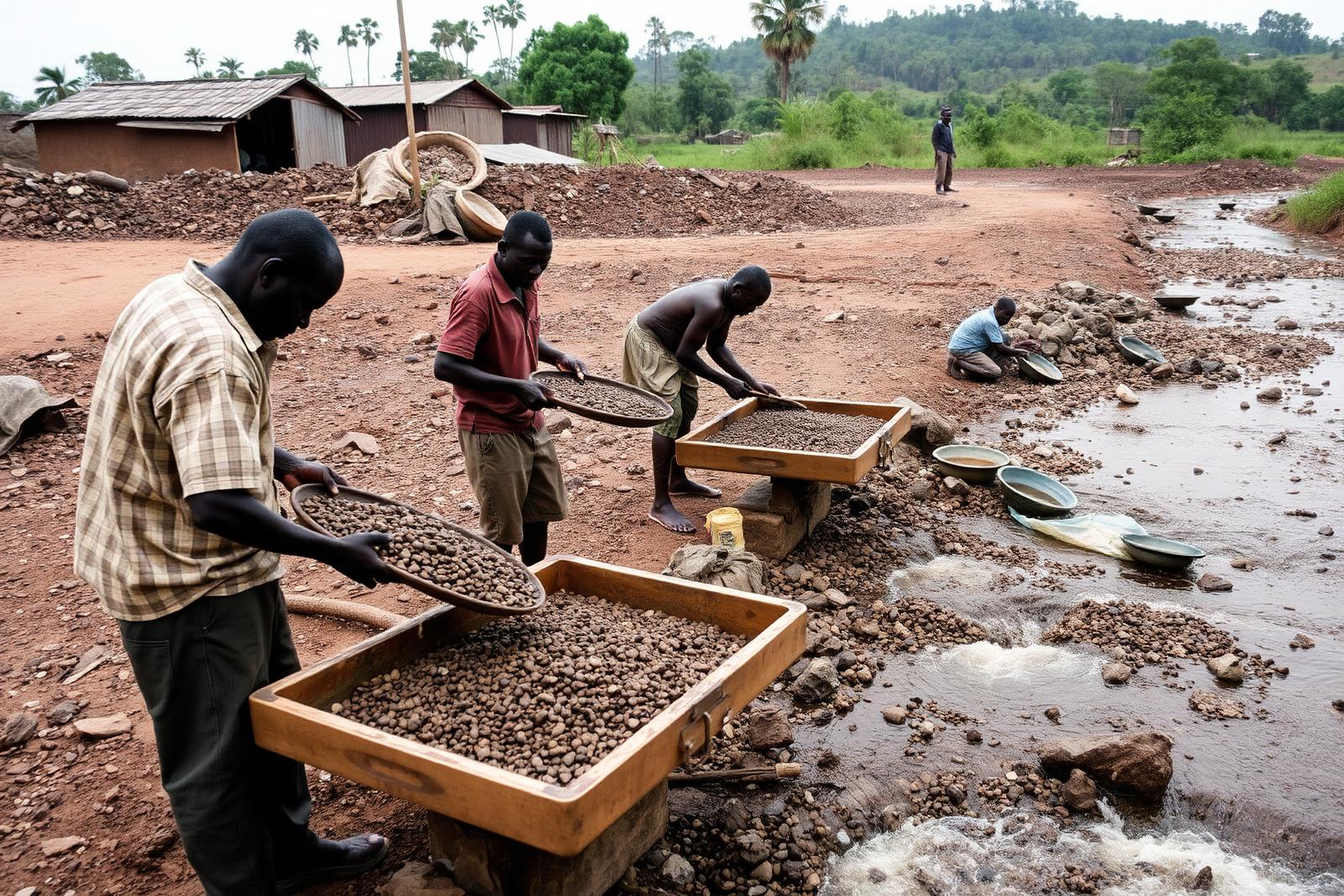
The complaints are specific. Streams silted by washing operations. Pits left open after a site is abandoned. Mercury used in the open to amalgamate gold, then burned off within metres of the people doing the work. None of this is new to the district. What is new is that both tiers of government are saying it publicly at once.
The formalisation gap
Most of the activity in question is artisanal and unlicensed. Under the Mining and Minerals Act 2022, artisanal miners are expected to organise into associations or cooperatives to get rights. In kanungu earlier this summer the minister suspended operations and ordered exactly that before any government scheme would be considered. The same logic is now being pressed in the east.
Formalisation is the right instrument, and it is slow. Registering a cooperative needs literacy, fees, a bank arrangement and someone to drive the process, and a pit crew earning day rates has limited capacity for any of it. Meanwhile the buyer at the roadside pays cash today, whatever the paperwork says.
You cannot tell a man to stop washing at the stream and offer him nothing until the cooperative is registered. He will be back at the stream by evening.