Refined gold has topped Uganda's export earnings for several years. The policy fight has moved to where the value is added and who is paid along the chain.
By David Mugisha..Kampala and Entebbe.6 min read
Kampala and Entebbe. 11 March 2026.
MixedMining & Regulation
Gold has been Uganda's single largest export earner for most of the past decade, a position built less on domestic geology than on refining and re-export. Bank of Uganda trade statistics have repeatedly shown gold ahead of coffee, and the gap has become a fixture of the national accounts rather than a surprise.
That headline hides the real question. If most refined tonnage arrives from elsewhere, how much of the value reaches the Ugandan districts where ore is actually dug?
Traceability is the constraint
International buyers now demand chain-of-custody documentation. Refineries that cannot show where a consignment originated struggle to place it. That pressure has pushed attention back down the chain to licensed producers who can document a concession, a licence number and a payroll.
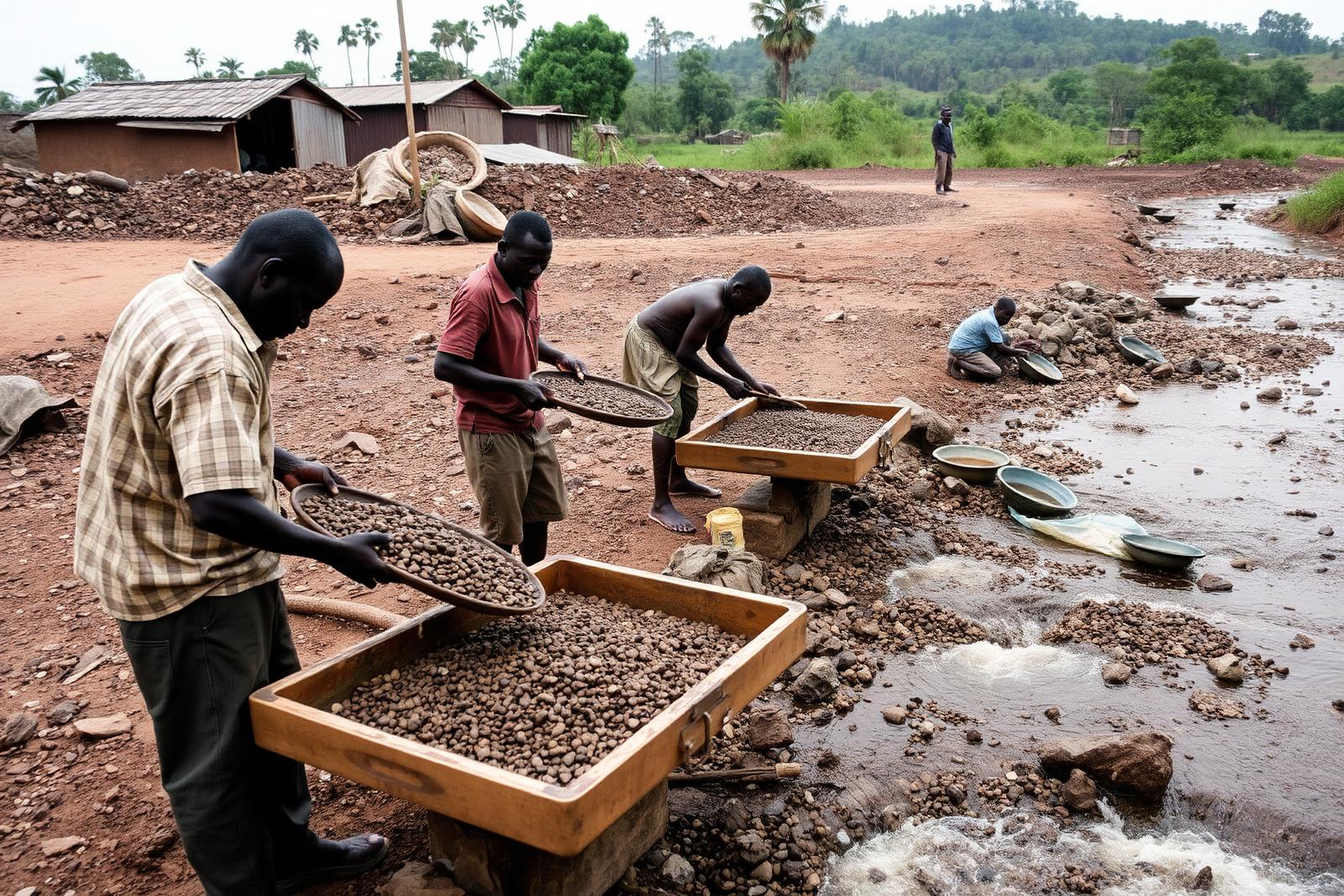
Busia is the clearest test case, where licensed medium-scale operations sit alongside long-established artisanal workings inside the Lake Victoria Green Belt.
"
Buyers no longer ask only for purity. They ask for provenance, and provenance is a licence, a mine plan and a payroll.
Refining industry consultant, Entebbe
What would change the picture
Field Dispatches
Get our weekly regional audits in your inbox
One email a week from the Kampala, Busia, Hoima and Jinja desks. What we checked, what we saw at the site, and what is still not adding up.
Three things, according to the officials and traders we interviewed: consistent mineral royalty distribution back to producing districts, credible assay capacity inside Uganda. Formalisation support that gives artisanal miners a legal route to sell into documented supply chains rather than around them.
The traceability regime taking shape
The Directorate of Geological Survey and Mines has said it is working toward a digital chain-of-custody system that would allow buyers to verify a consignment's licence origin without relying solely on paper certificates, a response partly to the fraud cases that have dogged Uganda's gold trade and partly to tightening international due-diligence expectations under rules like the OECD's minerals guidance. Officials caution the system is still under development and is not yet mandatory for all exporters.
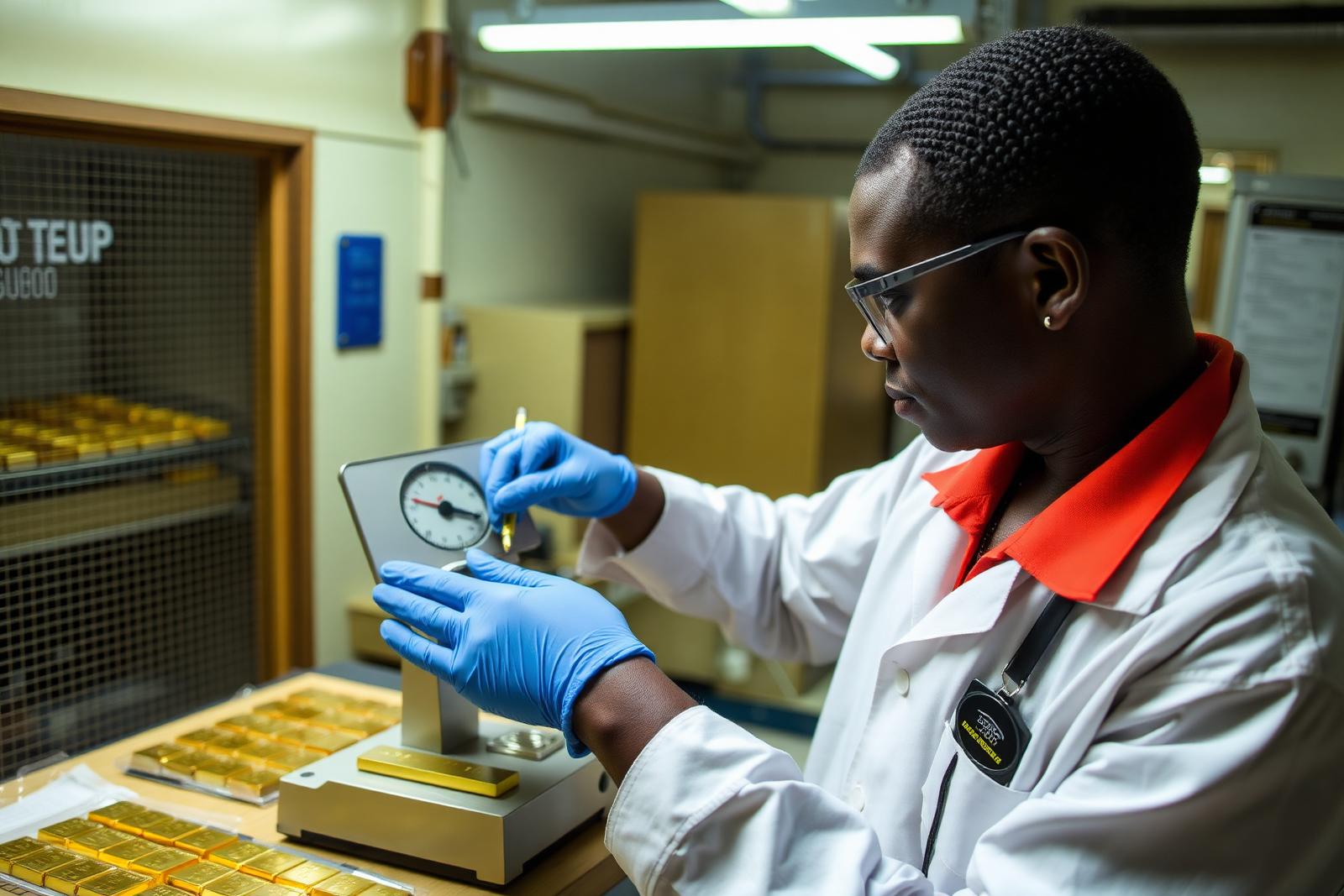
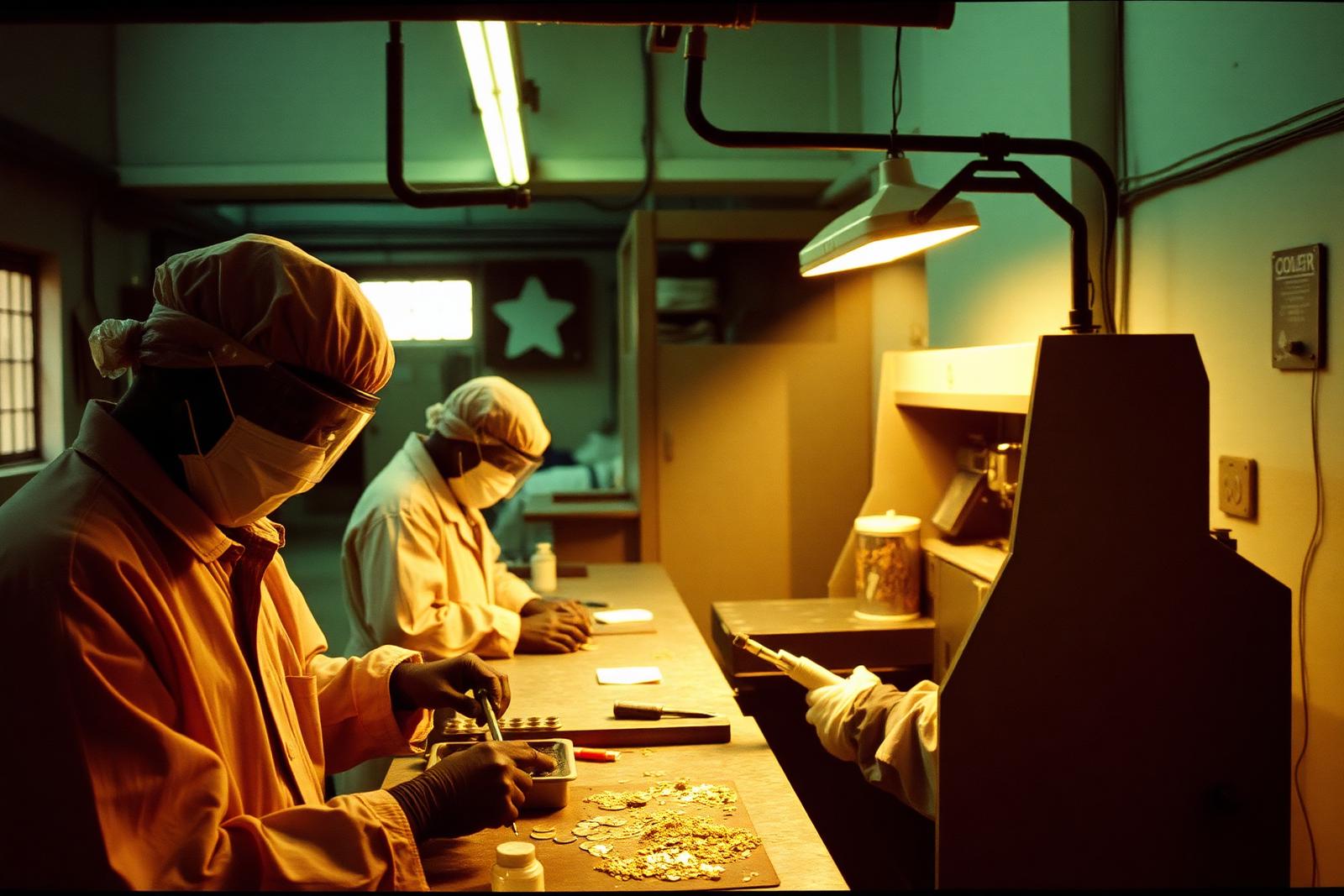
Refining industry figures argue that Uganda's comparative advantage as a regional refining hub, built on geography and existing plant rather than domestic ore volume alone, could be undermined if traceability gaps make buyers wary of the jurisdiction as a whole, a risk that gives licensed domestic producers an unusual incentive to support tighter documentation rather than resist it.
"
A refiner who cannot prove where the gold came from is now a liability to every buyer down the chain, not just to Uganda's reputation.
Refining sector consultant, Entebbe
Analysts expect the next test of this shift to come when the digital traceability system, once live, is compared against Bank of Uganda's quarterly export figures, showing whether documented, licensed-origin gold is actually gaining share against undocumented volume moving through the same export channels.
Frequently asked
Frequently asked questions
Is gold Uganda's biggest export?
Refined gold has led Uganda's export earnings in recent years according to Bank of Uganda trade data, ahead of coffee, though much of the volume is imported for refining and re-export.
Where are Uganda's gold reserves?
The main gold-bearing corridors are the Lake Victoria Green Belt in the east, including Busia and Namayingo, and parts of Karamoja and the west, with licensed operators working verified reserves in Busia District.
Evidence & documents
Every claim above is checked against the records below. Open each one to see where it comes from.
01Bank of Uganda: trade and external sector statistics▾
David Mugisha tracks Uganda's mining law and licensing regime, including the Mining and Minerals Act 2022, DGSM licensing practice and the role of the Uganda National Mining Company.