Eastern Uganda's districts are short of classrooms and shorter still of technical training places. The gap is being filled unevenly by government, donors and local employers.
By David Okello..Busia District, Eastern Uganda.6 min read
Last updated
Busia District, Eastern Uganda. 22 April 2026.
MixedTechnology & Education
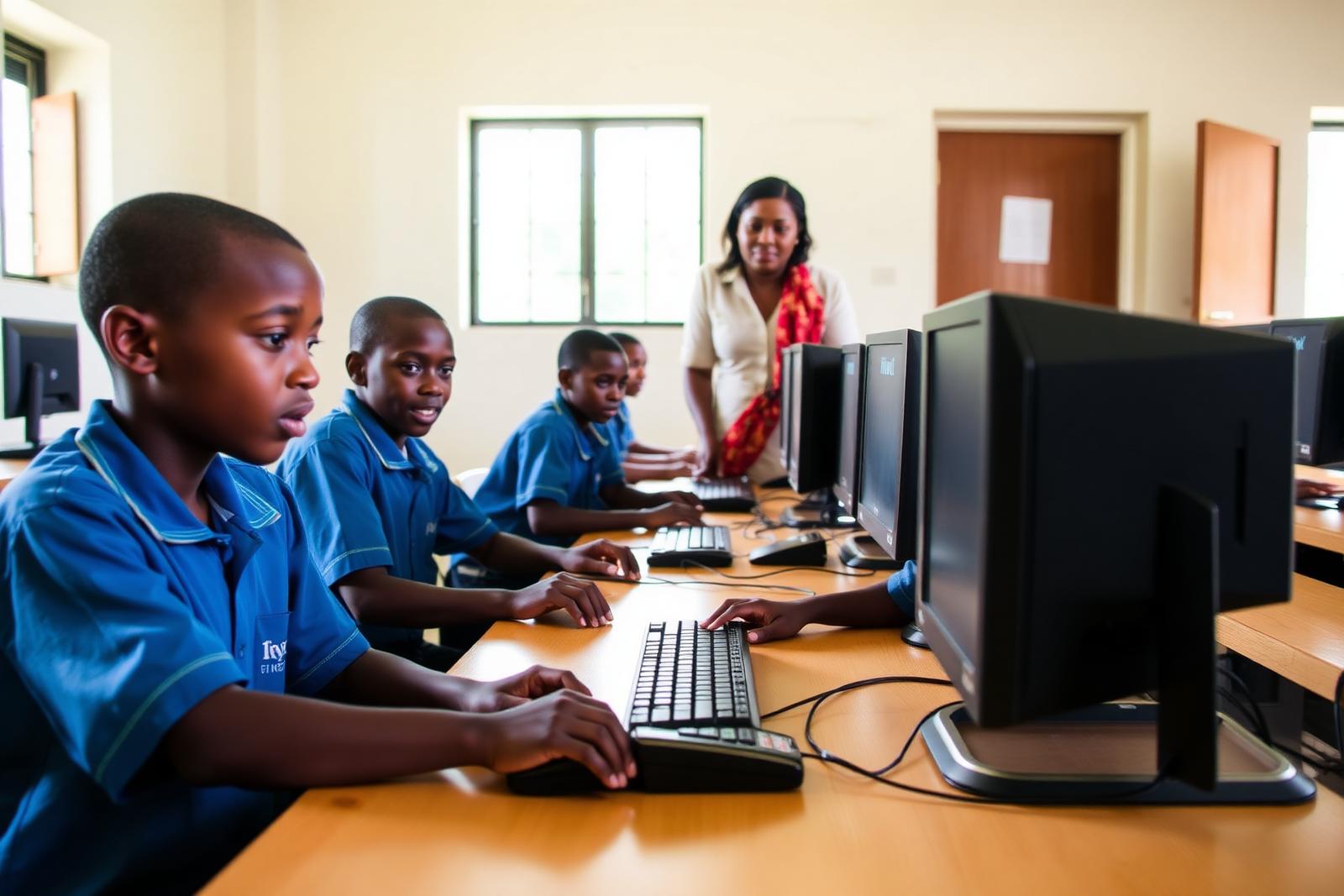
Ask a district education officer in Busia what is missing and the answer is rarely a policy. It is a roof, a teacher on the payroll, and somewhere for a school leaver to learn a trade that pays.
Early years first
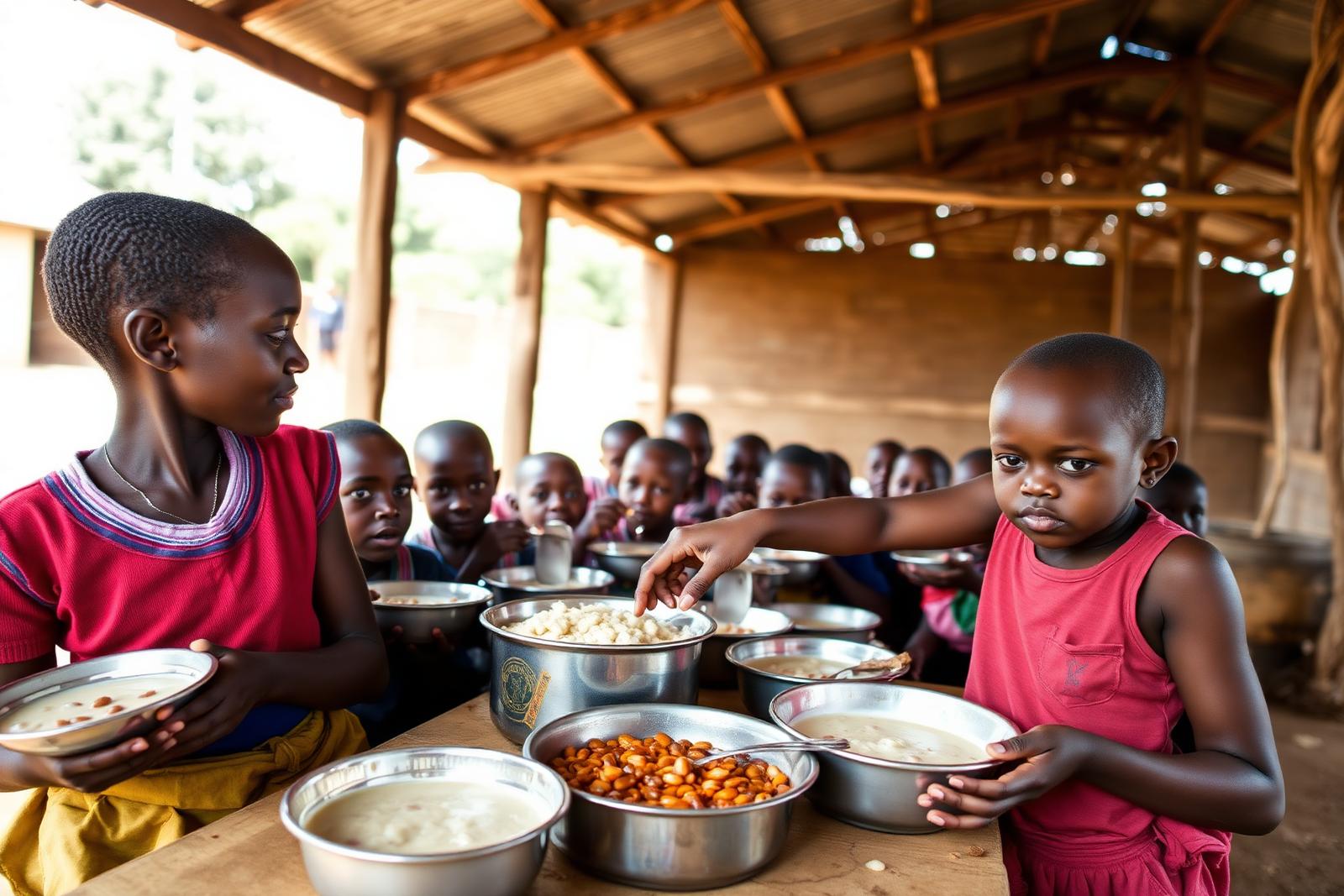
UNICEF's Uganda programme has pressed for years on early childhood development, on the straightforward grounds that children who arrive at primary school prepared stay in it longer. In practice, pre-primary provision in eastern Uganda is largely private or community-run, which puts it beyond many households.
Where an outside funder covers materials and a trained caregiver, the centre survives the year. Where it does not, it closes between terms.
The missing middle: technical skills
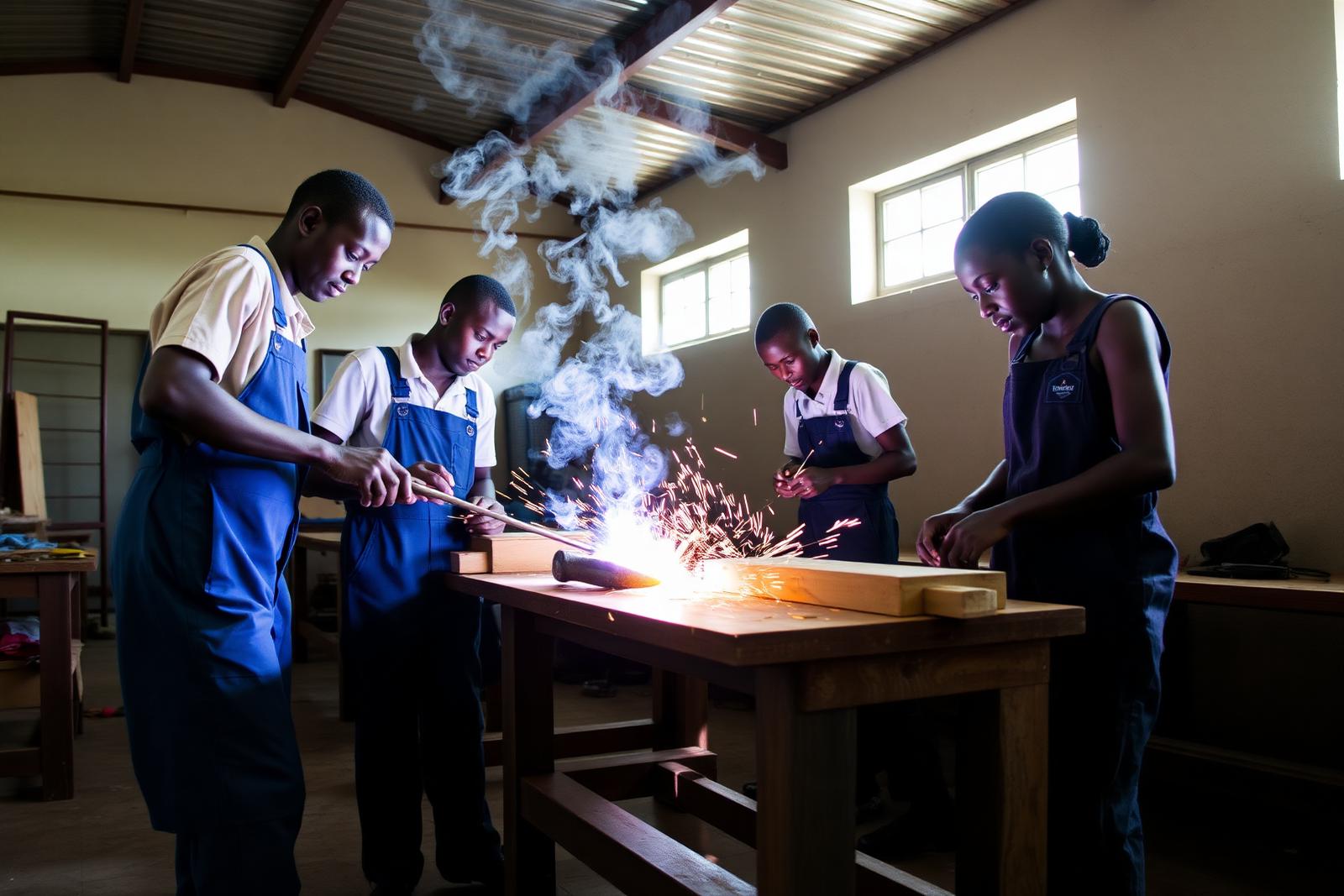
The sharper gap is vocational. District officials say technical roles on licensed sites, in maintenance, surveying and processing, still draw candidates from outside the district because local training pipelines are thin.
We set out the measurement problem in detail in our report on Busia local content and hiring where a payroll, a supplier register and an apprenticeship list are proposed as the only auditable evidence of local benefit.
"
We can train people here. What we cannot do is invent the workshop, the tools and the instructor out of a district budget.
Education officer, Busia District
Field Dispatches
Get our weekly regional audits in your inbox
One email a week from the Kampala, Busia, Hoima and Jinja desks. What we checked, what we saw at the site, and what is still not adding up.
Who is paying
Three sources, in descending reliability: central government capitation, which arrives late but arrives. Development partners, which fund well but in cycles, and local employers, which fund narrowly but continuously where a company has a long operating horizon in the district.
The policy gap between primary access and skilled work
Uganda's Universal Primary and Secondary Education policies have driven enrolment gains that are well documented nationally, but the Ministry of Education's own technical and vocational education strategy has admitted that funding for post-secondary skills training has not kept pace with the numbers of school leavers it is meant to absorb, a mismatch that shows up locally as exactly the thin training pipeline district officers in Busia describe.
Development partners including UNICEF have piloted apprenticeship-linked models that pair vocational instruction with a guaranteed placement at a local employer, an approach district planners in Busia say is more durable than stand-alone training centres exactly because it ties funding continuity to a business that has its own reason to keep the programme running.
"
A training centre without a placement at the end is a building. A training centre with one is a pipeline.
Vocational training coordinator, Busia District
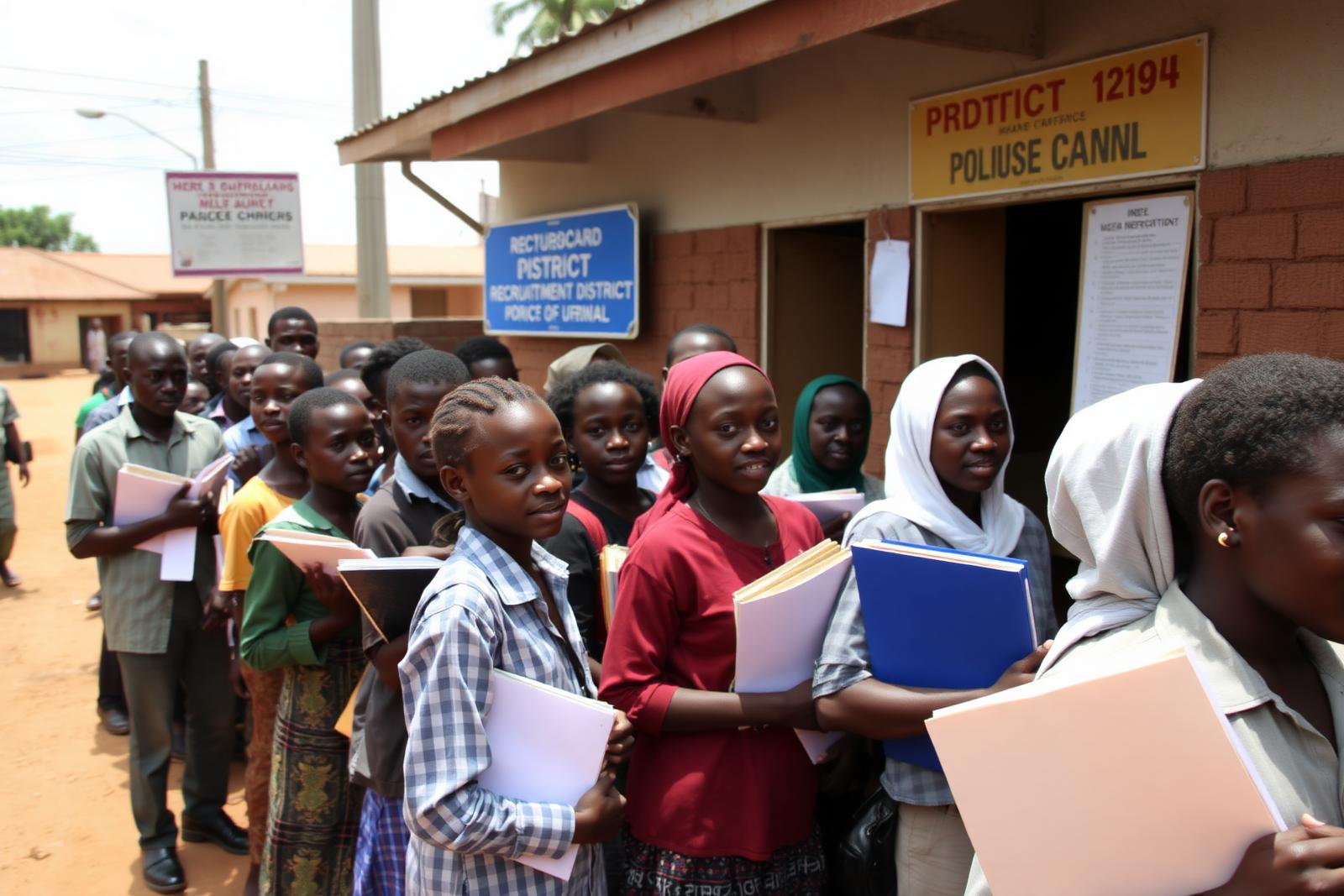
The figure worth watching next is how many of the apprenticeship places district officials have been requesting from licensed operators in eastern Uganda are actually formalised into standing programmes, rather than remaining informal understandings that can lapse when a company's site management changes.
Frequently asked
Frequently asked questions
What is the biggest education gap in eastern Uganda?
District officers point to two: pre-primary provision, which is largely private or community-run, and technical training places, which are too few to fill skilled roles locally.
Who funds school infrastructure in Busia?
Central government capitation, development partners such as UNICEF, and in some parishes local employers who fund classrooms, materials or early education centres.
Do mining companies in Busia offer apprenticeships?
Licensed operators in the district run local-first hiring, and district officials have pressed for structured apprenticeship places attached to those sites as the most direct route into technical work.
Evidence & documents
Every claim above is checked against the records below. Open each one to see where it comes from.
David Okello covers Busia District from the ground: mine-site safety, local hiring and procurement, worker welfare, school and skills training provision, and the relationship between licensed operators and artisanal miners in the Green Belt.