The Malaria Vaccine Reaches More Districts, and the Cold Chain Becomes the Story
Routine immunisation is absorbing a new schedule. Whether it holds depends on fridges, fuel and health workers who are already stretched.
By Dr Agnes Kirabo..Central and Eastern Uganda.5 min read
Central and Eastern Uganda. 4 August 2026.
MixedPublic Health
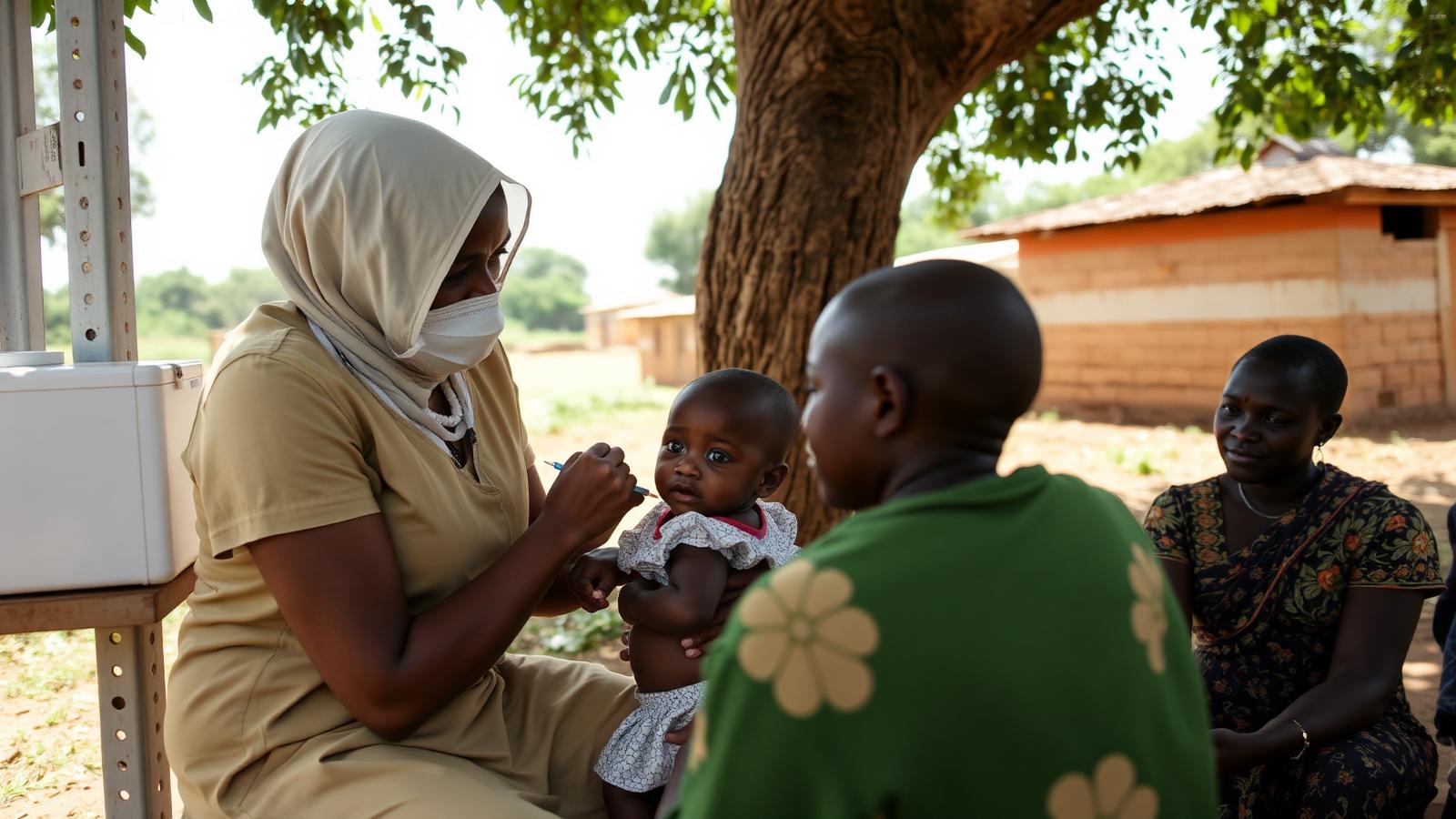
At outreach posts, the new schedule is one more line on a card that already carries measles, polio and pentavalent doses. Mothers do not experience it as a policy announcement. They experience it as a longer queue and a second visit.
Where it strains
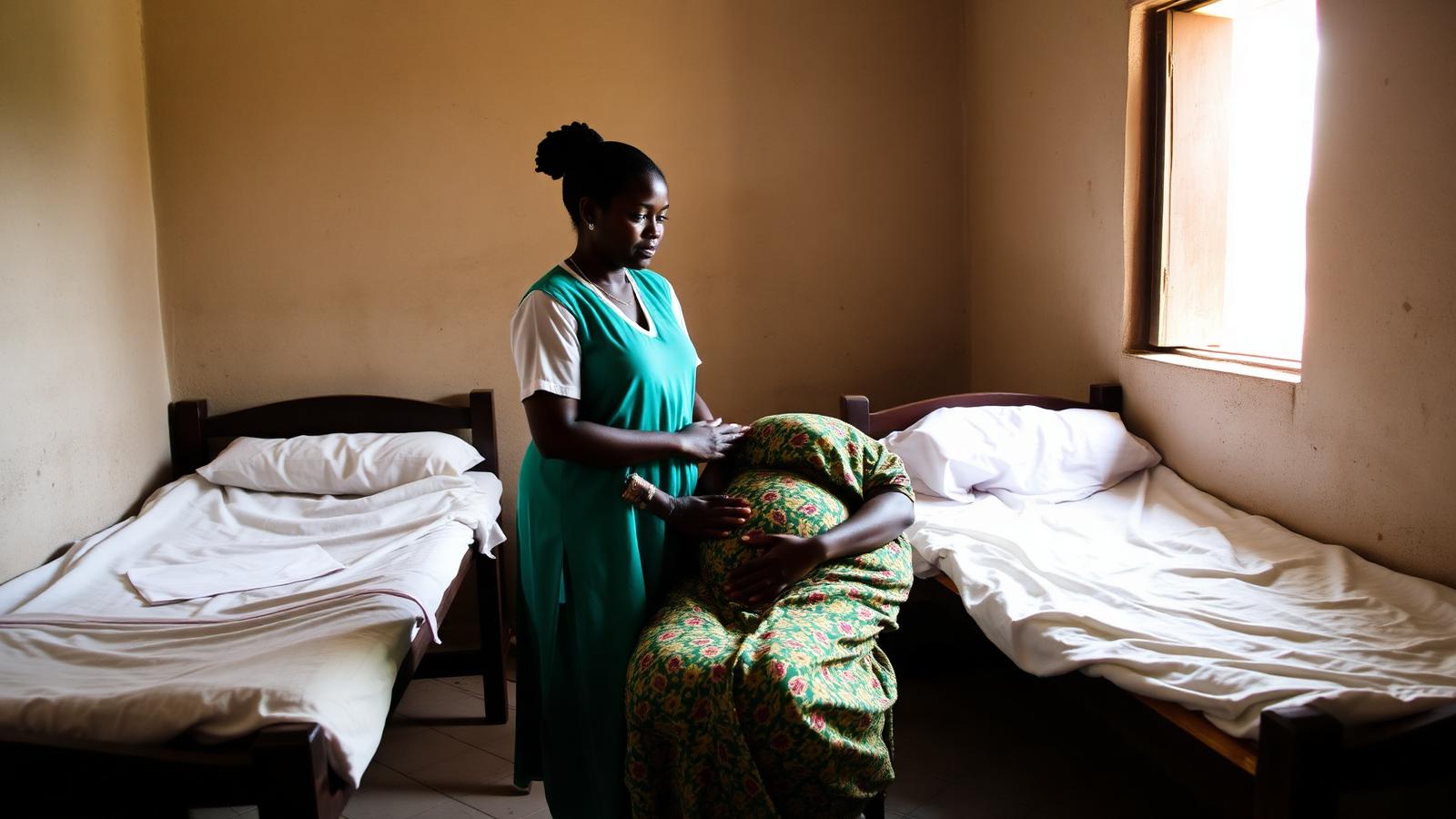
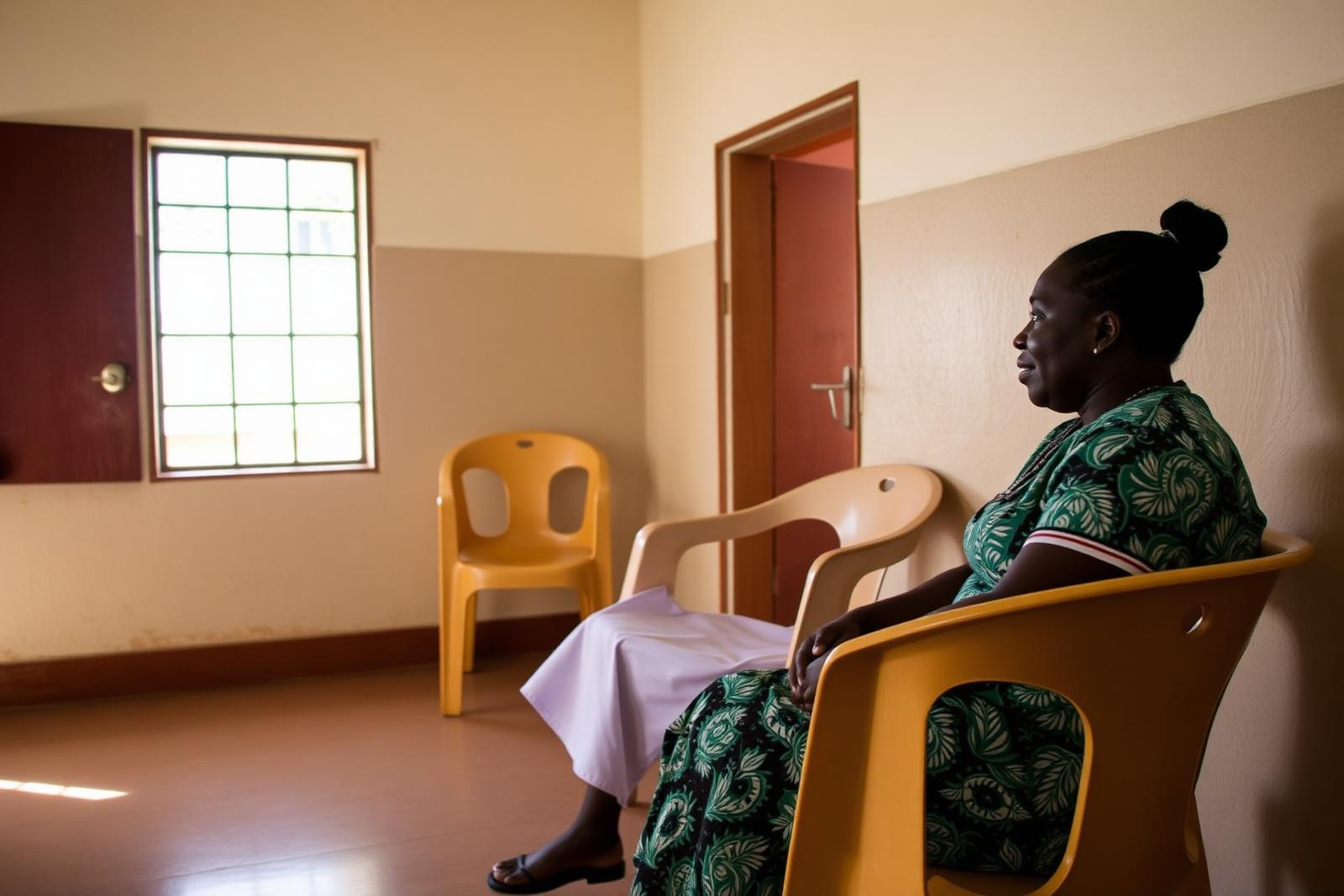
Health centre IIIs describe the same three pressures: fridge uptime when the grid is intermittent, transport allowances for outreach days. A shortage of trained hands to record and follow up defaulters.
"
The vaccine is not the hard part. Getting the fourth dose into the same child a year later is the hard part.
In-charge, health centre III, eastern Uganda
District health teams say the coverage figures worth watching are not first-dose numbers, which look strong at launch, but completion rates twelve months on.
Field Dispatches
Get our weekly regional audits in your inbox
One email a week from the Kampala, Busia, Hoima and Jinja desks. What we checked, what we saw at the site, and what is still not adding up.
The budget line behind the fridge door
Cold chain equipment at health centre level is typically funded through a mix of central government budget and donor programme support. District health officers say the gap shows most clearly in maintenance rather than in the initial fridge buy. A solar direct-drive unit installed three years ago with no service contract is now the unit most likely to fail during an outreach week.
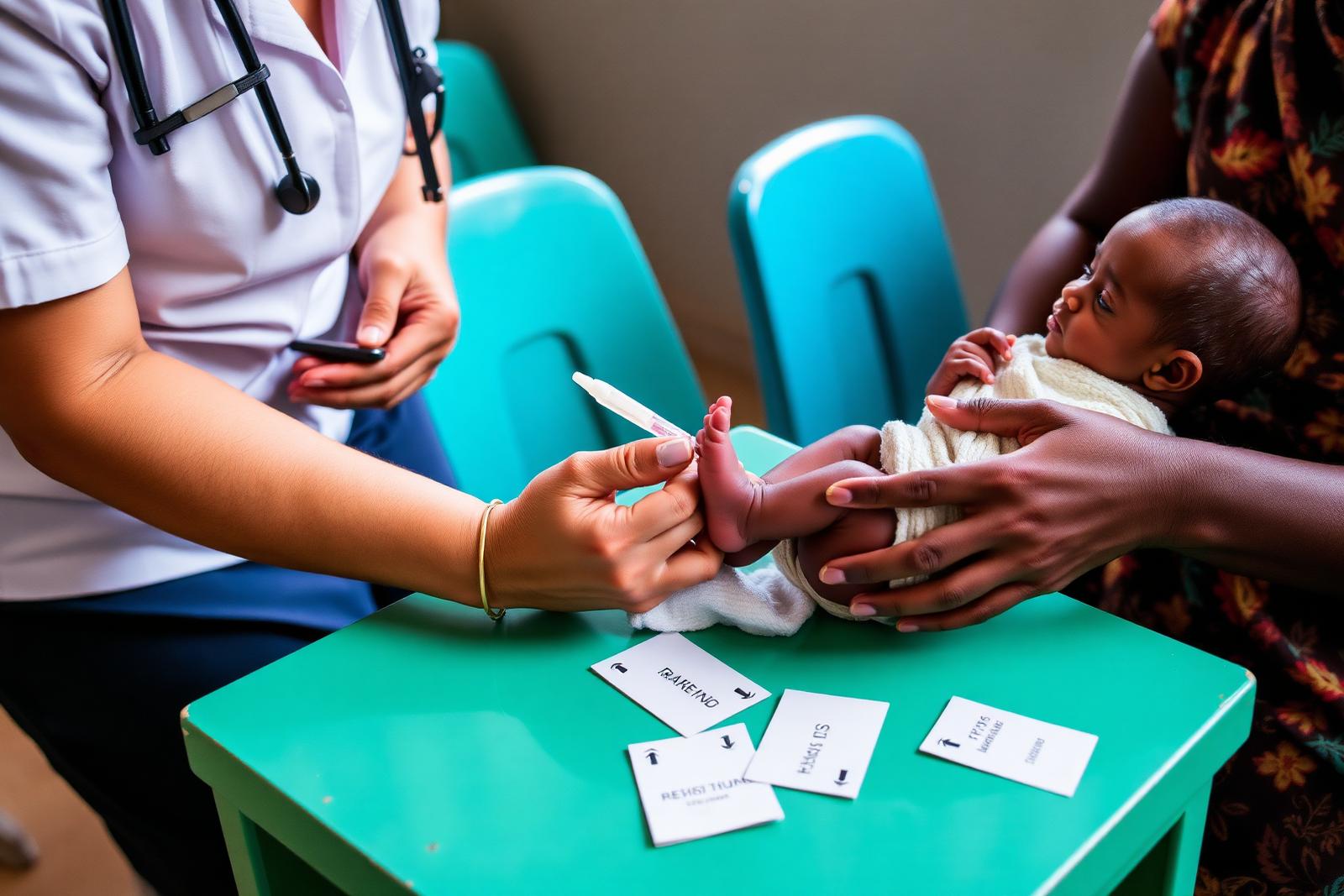
Health workers describe a defaulter tracing system that depends heavily on village health teams with motorcycles and airtime, both of which are budgeted inconsistently across districts. Where VHTs are paid a reliable stipend, follow-up rates for later doses are visibly higher, according to district vaccination coordinators.
"
Parents are not the problem. A parent who brought a child for dose one wants to come back. The problem is whether we can reach her when she does not.
Vaccination coordinator, district health office, eastern Uganda
Ministry officials maintain that coverage will improve as the schedule beds into routine practice and as health workers gain confidence integrating it with existing immunisation days, rather than treating it as a separate campaign requiring its own logistics.
The figure worth returning to in a year is not how many children received a first dose at launch, but how many completed the full schedule, a number that districts have historically been slower to publish than initial uptake.
Evidence & documents
Every claim above is checked against the records below. Open each one to see where it comes from.