Mental Health Care Is Being Written Into District Budgets, Slowly
A handful of regional hospitals now run outpatient psychiatric clinics. Medicines supply is the weak link.
By Dr Agnes Kirabo..Central Uganda.5 min read
Central Uganda. 15 July 2026.
MixedPublic Health
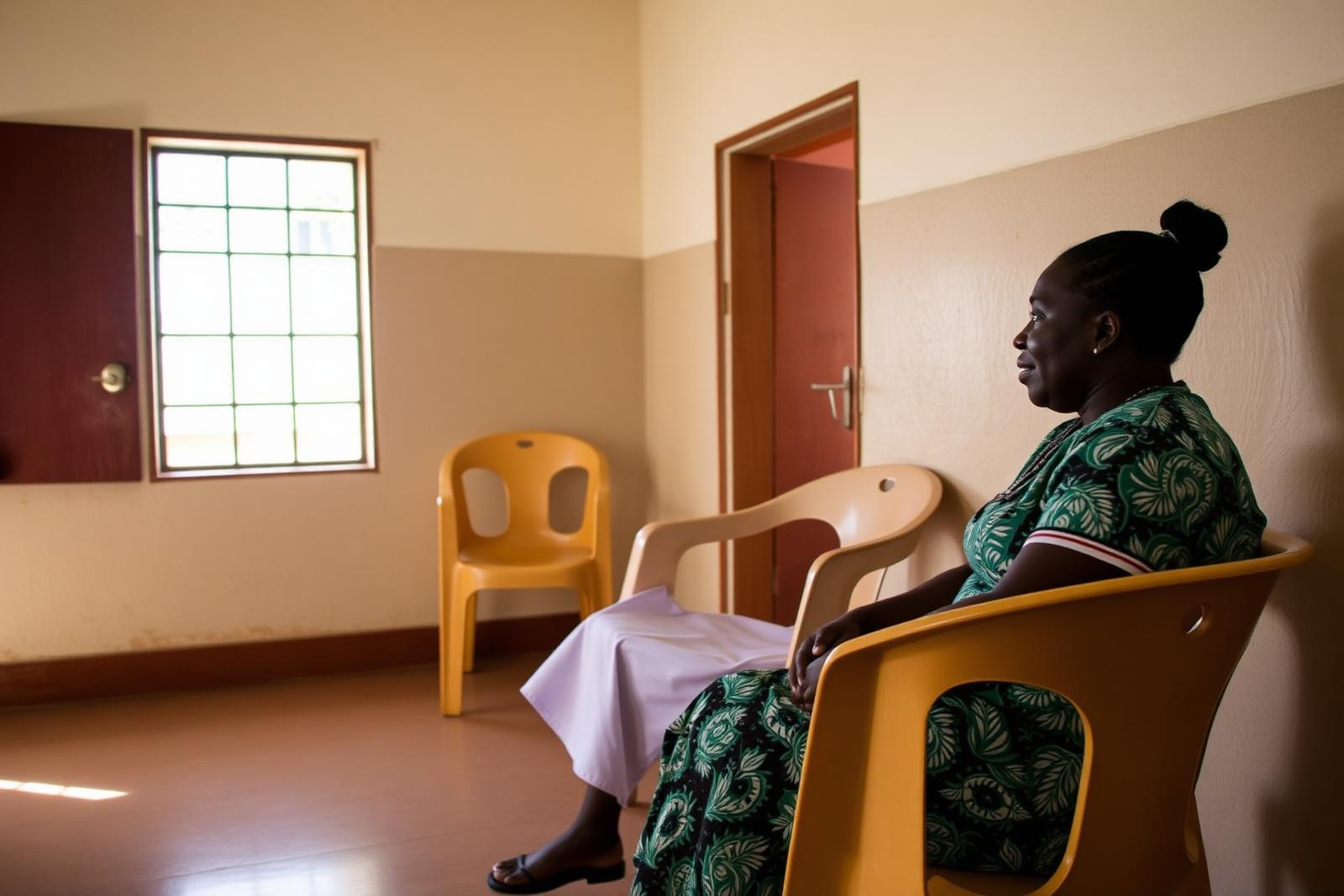
Weekly clinics at regional referral hospitals are the visible part of the change. The invisible part is whether the prescription written there can be filled next month.
Supply, not stigma alone
Clinicians report that treatment interruption is driven less by patients dropping out than by stock-outs of first-line medicines, which push families to private pharmacies at prices they cannot sustain.
"
A patient who is stable for six months and then misses two months of medication is back where we started.
Community health workers say referral works best where a named contact at the hospital answers the phone, which is a staffing question rather than a policy one.
Field Dispatches
Get our weekly regional audits in your inbox
One email a week from the Kampala, Busia, Hoima and Jinja desks. What we checked, what we saw at the site, and what is still not adding up.
Why the medicine, not the clinic, is the bottleneck
National Medical Stores supplies essential psychiatric medicines through the same ordering system used for other essential drugs. Mental health clinicians say their line items compete for limited budget against higher-volume categories such as antimalarials and antibiotics. A stock-out that would be resolved within days for a common drug can persist for weeks for a first-line antipsychotic, clinicians report. The reason is the ordering volume is smaller and the reorder is not always put first.
Regional referral hospitals running weekly outpatient psychiatric clinics say attendance has grown steadily as stigma around presenting for care has eased somewhat in urban centres. Even so,rural attendance still lags, partly on transport cost and partly on distance to the nearest clinic day.
"
Patients travel far to be seen. If we then tell them the medicine is not available this month, we have used their transport money for nothing.
Psychiatric nurse, regional referral hospital
Health officials say expanding mental health provision to a wider set of district hospitals, beyond the current regional referral centres, is a stated ministry priority, but the work depends on training more clinical officers in mental health and on securing a more reliable medicines pipeline than now exists.
The metric clinicians say is worth tracking is not how many clinics open, but how many months in a year the essential medicine list for those clinics is actually in stock.
Evidence & documents
Every claim above is checked against the records below. Open each one to see where it comes from.