Newborn Sickle Cell Screening Expands, and Families Learn Earlier
Early diagnosis changes the first five years. The programme's reach still depends on where a mother delivers.
By Dr Ivan Mukisa..Central and Eastern Uganda.5 min read
Central and Eastern Uganda. 3 July 2026.
ProgressPublic Health
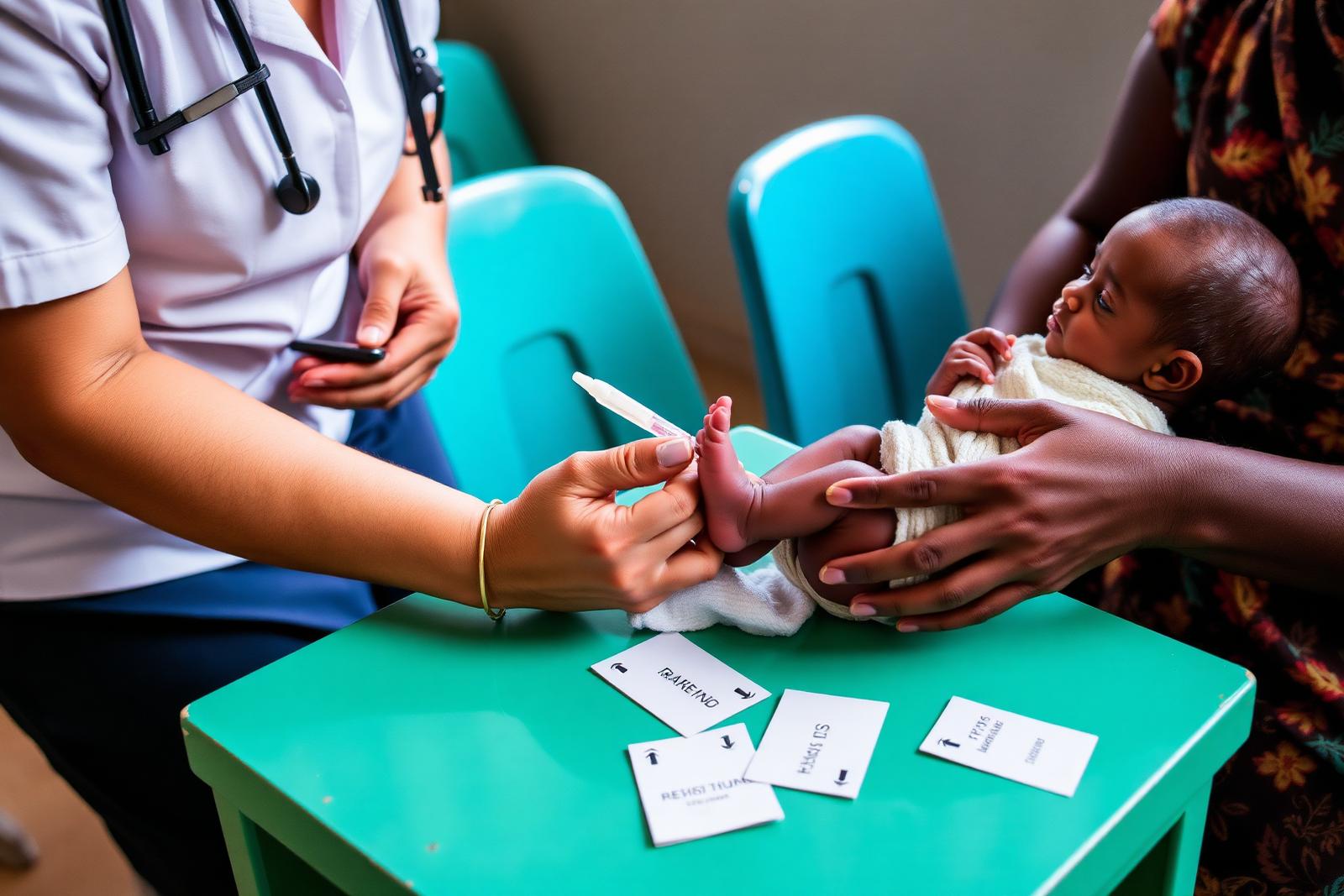
Uganda carries one of the world's heavier sickle cell burdens. Screening at birth converts a condition usually discovered during a crisis into one managed from the first months.
What early diagnosis buys
Prophylactic antibiotics, malaria prevention and parental counselling in the first years reduce the crises that drive early mortality. None of it works if the diagnosis arrives at age four.
"
The families who know early ask better questions and come in sooner. That alone changes outcomes.
Paediatric clinician, referral hospital
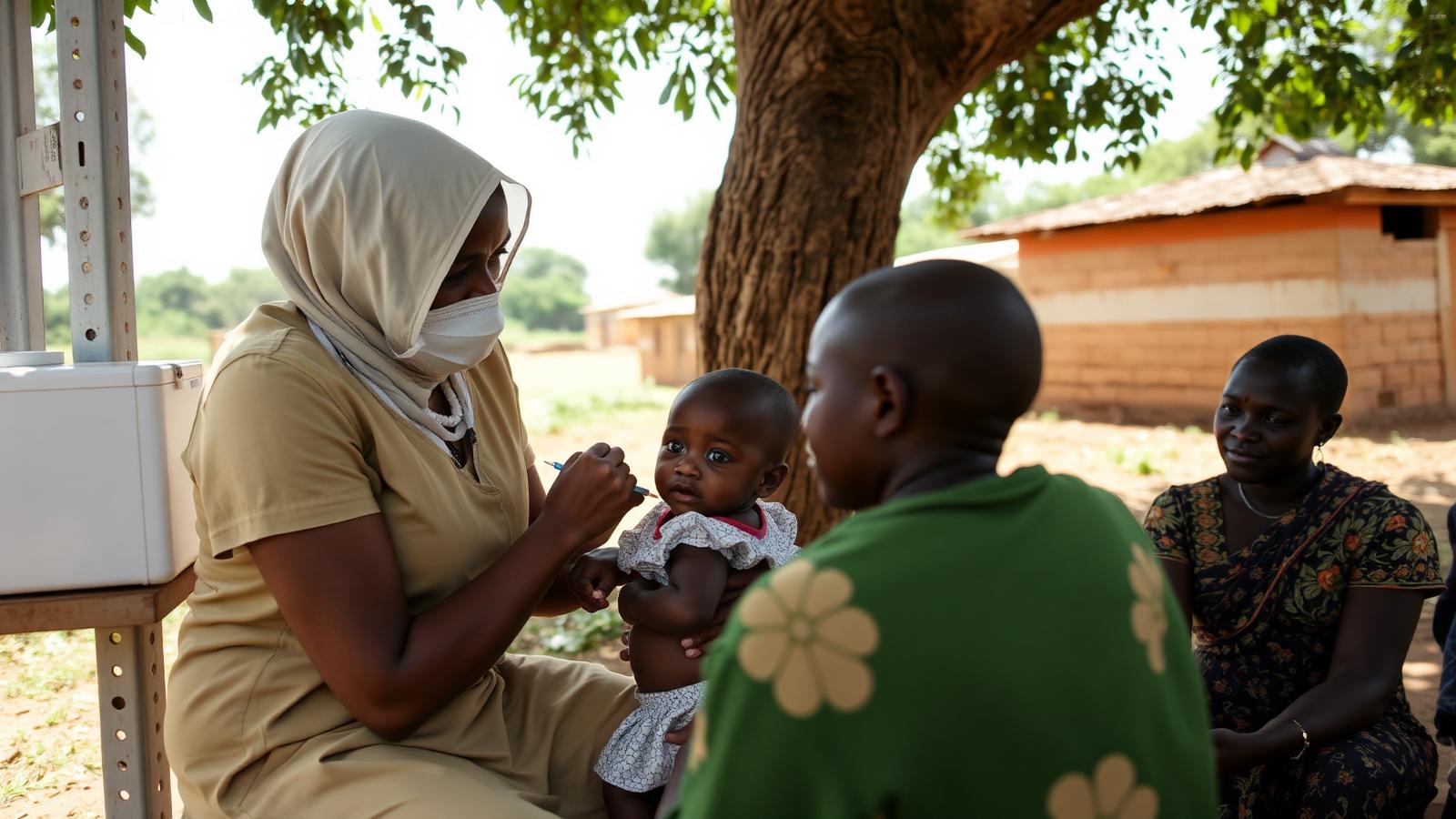
The limiting factor is coverage: screening reaches babies born in facilities running the programme. It leaves home deliveries and smaller units outside it.
Field Dispatches
Get our weekly regional audits in your inbox
One email a week from the Kampala, Busia, Hoima and Jinja desks. What we checked, what we saw at the site, and what is still not adding up.
Coverage follows where mothers deliver
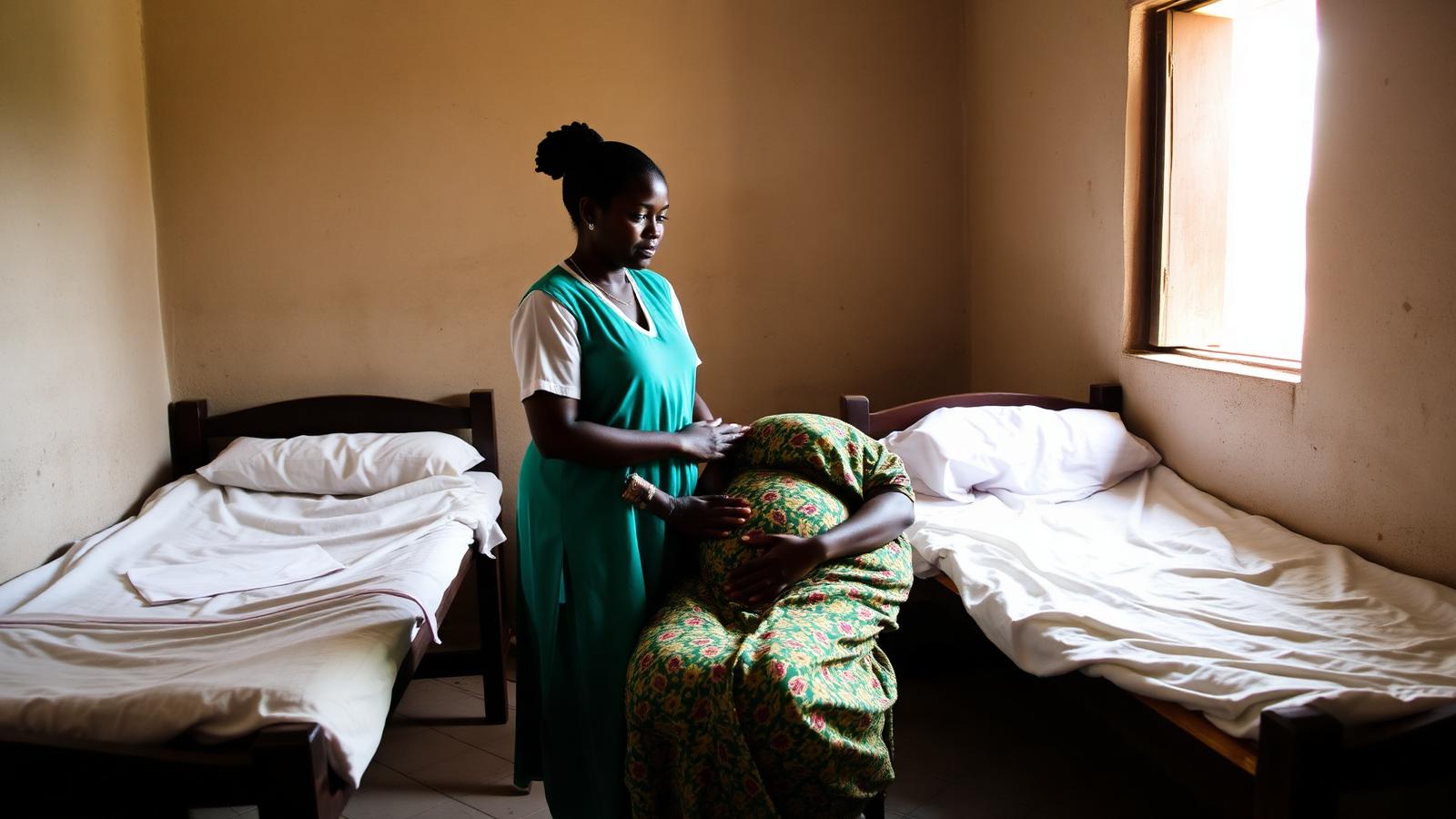
Newborn sickle cell screening in Uganda has expanded fastest at hospitals and larger health centre IVs equipped to run the point-of-care test, so coverage maps closely onto facility delivery rates rather than onto disease burden itself. Districts with lower facility delivery rates, often in remote or poorly served areas, are the same districts where screening reaches the fewest newborns.
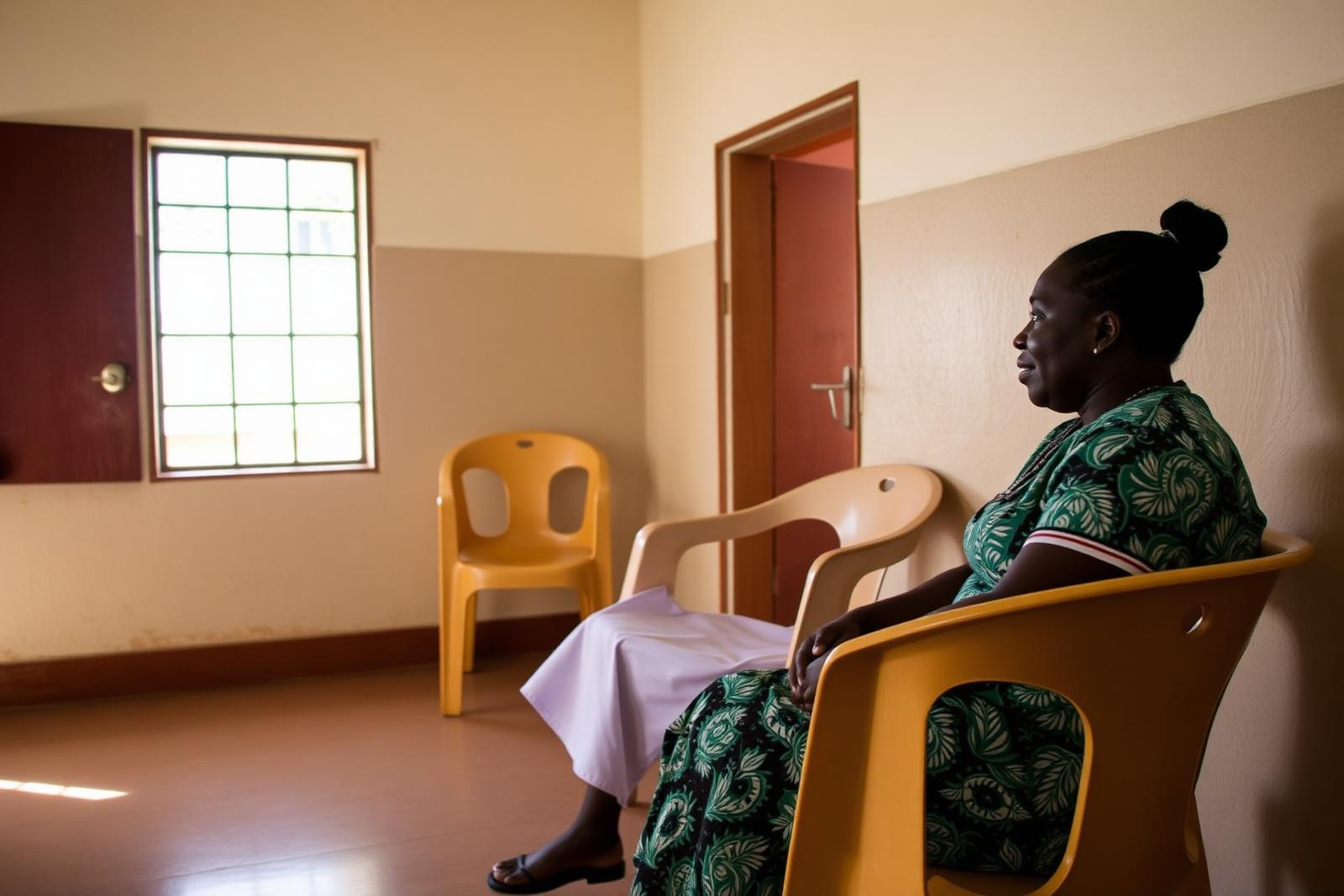
Paediatric clinicians say the programme's next phase depends on extending testing capacity to health centre IIIs, which see a large share of deliveries but now lack either the trained staff or the point-of-care kits to screen at birth, referring suspected cases upward instead where they are sometimes lost to follow-up.
"
A baby born at a health centre III today still has to be referred for the test. Every referral is a chance the family does not make it back.
Nurse in charge, maternity unit, health centre III
The Ministry of Health has cited sickle cell screening as part of a broader push to strengthen newborn care packages nationally, alongside efforts to raise facility delivery rates in underserved districts, on the reasoning that the two goals reinforce each other.
Parent support groups formed around the programme say early counselling has changed how families manage the condition day to day, reporting fewer emergency hospital admissions among children diagnosed and enrolled in follow-up care from infancy compared with those diagnosed later.
Evidence & documents
Every claim above is checked against the records below. Open each one to see where it comes from.