One Midwife, Three Shifts: The Staffing Maths Behind Maternal Deaths in the North
Facilities in northern districts are delivering more babies with fewer trained staff, and the referral chain absorbs the difference.
By Betty Aciro..Northern Uganda.6 min read
Northern Uganda. 30 July 2026.
AccountabilityPublic Health
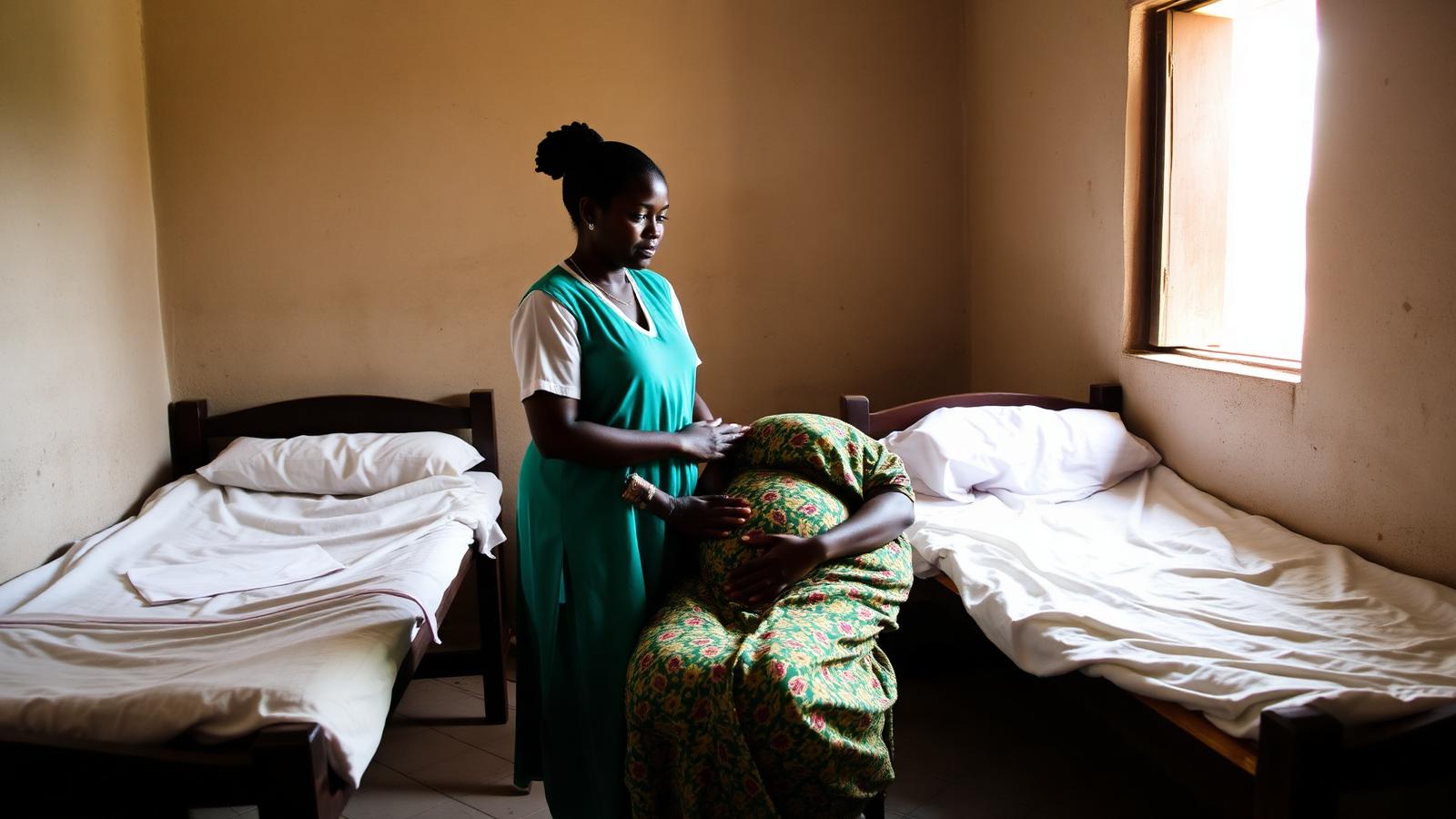
The ward has four beds and, on most nights, one midwife. She admits, monitors, delivers, and decides which case cannot be managed where she stands. That last decision is where outcomes are made.
The three delays
Clinicians still describe maternal deaths through the same three delays: the delay in deciding to seek care, the delay in reaching a facility. The delay in receiving adequate care once there. Staffing collapses the third into the first two.
"
If I am alone and I have two mothers in labour, one of them is waiting. That is the whole problem in one sentence.
Midwife, health centre III, northern Uganda
District officials point to filled posts on paper and vacancies in practice, with transfers and unpaid arrears driving attrition among the most experienced staff.
Field Dispatches
Get our weekly regional audits in your inbox
One email a week from the Kampala, Busia, Hoima and Jinja desks. What we checked, what we saw at the site, and what is still not adding up.
Filled on the payroll, empty on the ward
District health service commissions in the north report midwife posts as much filled in official establishment records, a figure that clashes with what facility in-charges describe on the ground. The discrepancy is explained by transfers to better-served districts, unpaid arrears that push experienced staff towards NGO or private employment. Vacancies that are budgeted but never advertised.
Referral hospitals in Gulu and Lira say the caseload arriving from lower-level facilities has risen as health centre IIIs increasingly stabilise and refer rather than deliver. It shifts pressure upward without adding capacity at the receiving end.
"
A referral that used to take forty minutes on a good road now takes longer if the ambulance has no fuel allowance that week. The distance has not changed. The reliability has.
District health officer, northern Uganda
Ministry of Health officials point to an ongoing midwifery training expansion at regional institutions. Even so,trainers note that a graduating class takes years to reach the districts that need them most. Retention there depends on housing and hardship allowances that have historically lagged behind urban postings.
The nearer-term fix most frequently proposed by district officials is simpler than a training pipeline: fill the night shift with a second midwife at the busiest facilities, funded from existing district budgets rather than a new programme.
Evidence & documents
Every claim above is checked against the records below. Open each one to see where it comes from.